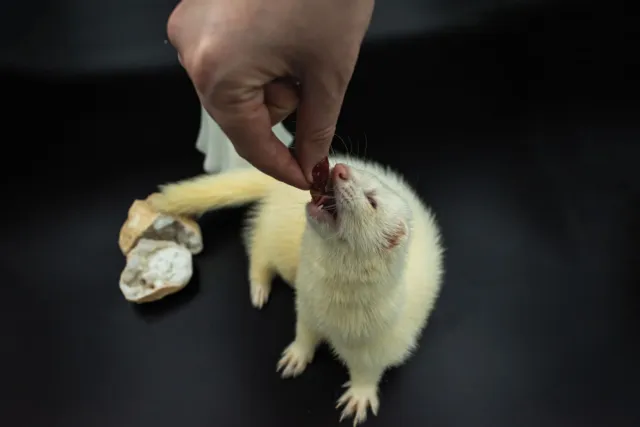
Can Dogs Eat Ferret Food? Important Insights for Pet Owners
Wondering if dogs can eat ferret food? Discover the nutritional needs of dogs and ferrets, and what to consider before sharing meals.

Key takeaways
- Ferret food is not suitable for dogs.
- Different species have unique nutritional needs.
- Consult your vet before changing your dog's diet.
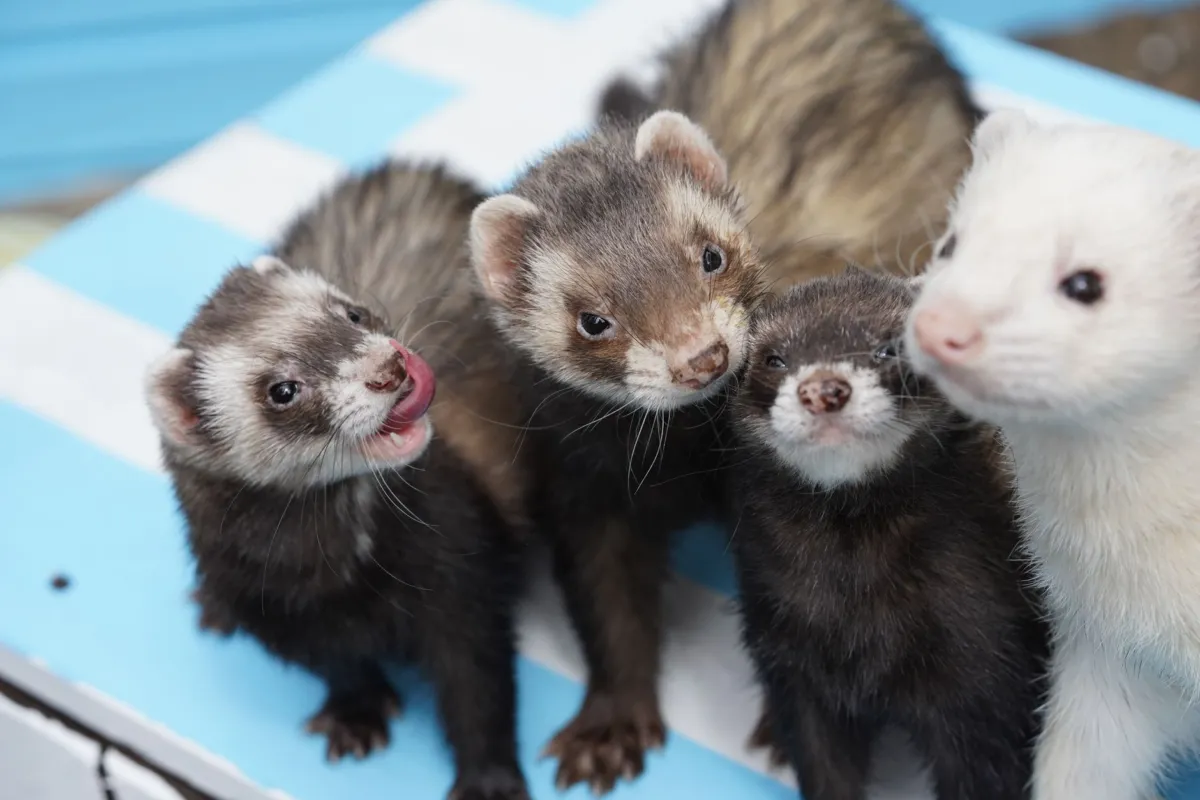
The question of whether dogs can eat ferret food arises for many pet owners, especially those with both species in their homes. While it may seem convenient to share pet food, it’s essential to understand the nutritional differences between ferrets and dogs. This article will explore the implications of feeding ferret food to dogs, what to watch for, and safer alternatives.
Ferrets and dogs have distinct dietary requirements shaped by their evolutionary history and biology. Ferrets are obligate carnivores, meaning their diet primarily consists of animal proteins and fats. In contrast, dogs are considered omnivores, requiring a balanced diet of proteins, fats, carbohydrates, vitamins, and minerals. This difference raises concerns about the safety and health implications of feeding ferret food to dogs.
As we dive deeper into this topic, we will examine the ingredients commonly found in ferret food, the potential risks associated with feeding it to dogs, and the proper nutrition dogs need. Understanding these factors is crucial for making informed decisions about your pet’s diet.
Understanding Ferret Nutrition
Ferrets have specific dietary needs that are primarily focused on protein and fat intake. Their metabolism is designed for processing high amounts of animal-based nutrition. Here’s a breakdown of what ferret food typically contains:
- High Protein Content: Ferret food usually contains 30-40% protein, derived mainly from meat sources like chicken, turkey, or fish.
- Fat Sources: Healthy fats, around 15-20%, are included to support energy levels and overall health. Common fat sources are animal fats and fish oils.
- Low Carbohydrates: Ferrets have minimal carbohydrate requirements, and their food reflects this with low amounts of grains or fillers.
Ferret diets are formulated to support their unique digestive systems and high energy requirements. Unlike dogs, ferrets require a diet low in carbohydrates due to their short gastrointestinal tracts and rapid metabolism.
Common Ingredients in Ferret Food
Ferret food typically includes the following ingredients:
- Meat Meals: Concentrated sources of protein.
- Animal Fats: Essential for energy and skin health.
- Vitamins and Minerals: Added to ensure ferrets receive all necessary nutrients.
- Low Fiber: Unlike dog food, ferret food usually has less fiber, which aligns with their digestive needs.
Understanding these ingredients helps underscore why ferret food is not suitable for dogs, as their nutritional needs differ significantly.

Can Dogs Digest Ferret Food?
Dogs possess a different digestive system compared to ferrets. While dogs can digest animal proteins, they also require a balanced intake of carbohydrates, fiber, and essential nutrients that ferret food may lack. Given this, there are several reasons why dogs should not eat ferret food.
Potential Digestive Issues
Feeding your dog ferret food can lead to digestive upset for several reasons:
- High Protein Levels: Dogs can experience gastrointestinal issues, including diarrhea or vomiting, when consuming a diet too high in protein.
- Fat Content: Excessive fat can lead to pancreatitis, a serious condition that causes inflammation of the pancreas.
- Low Fiber: Dogs require dietary fiber for healthy digestion. Ferret food typically lacks sufficient fiber, which can lead to constipation.
These digestive issues can result in discomfort, and in severe cases, necessitate veterinary care. It is critical to recognize these risks before considering any diet change for your dog.
Behavioral Reactions
Aside from physical health concerns, introducing ferret food into a dog’s diet can lead to behavioral changes:
- Picky Eating: Dogs may refuse their regular food if they develop a taste for ferret food, potentially leading to nutritional imbalance.
- Food Aggression: Sharing food between pets can sometimes lead to competition, which may encourage aggressive behavior.
- Unpredictable Reactions: Each dog is unique, and some may react negatively to unfamiliar food, which could include anxiety or stress.
It is crucial to maintain a stable and healthy diet tailored specifically for dogs, ensuring they receive all the necessary nutrients without the risks associated with ferret food.
The Dangers of Feeding Ferret Food to Dogs
Feeding ferret food to dogs can pose several dangers. Understanding these risks can help pet owners make informed decisions about what they feed their furry friends.
Nutritional Imbalance
Dogs require a balanced diet that includes a mix of proteins, carbohydrates, fats, vitamins, and minerals. Ferret food is designed exclusively for ferrets and lacks several essential nutrients that dogs need:
- Carbohydrates: Necessary for energy and proper digestion.
- Specific Vitamins: While ferret food contains vitamins for ferrets, it may lack adequate amounts of vitamin A, B vitamins, and vitamin E that dogs require.
- Minerals: Essential minerals like calcium and phosphorus are not present in sufficient quantities in ferret food.
Feeding ferret food to dogs can lead to nutritional deficiencies, impacting their overall health and wellbeing.
Health Risks Associated with Ferret Food
In addition to nutritional imbalances, several health risks are associated with feeding ferret food to dogs:
- Pancreatitis: As previously mentioned, high-fat content can lead to pancreatitis, a painful and potentially life-threatening condition.
- Obesity: Overfeeding ferret food, which is calorie-dense, can contribute to obesity in dogs.
- Allergic Reactions: Some dogs may be allergic to specific proteins found in ferret food.
Due to these potential health risks, it is crucial to avoid feeding dogs ferret food.
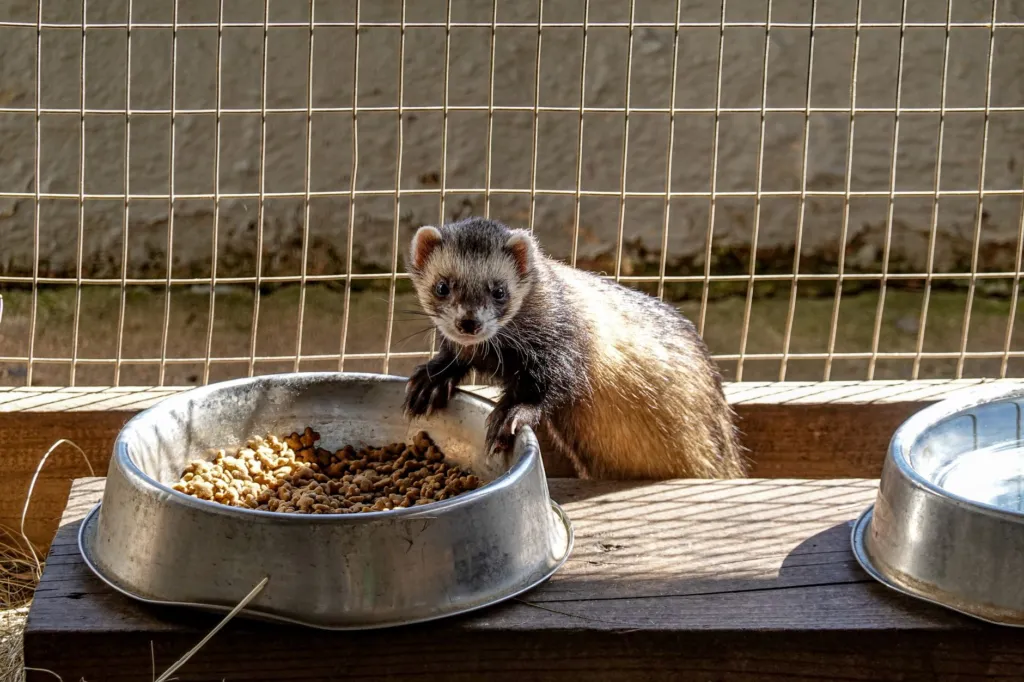
What Should Dogs Eat Instead?
To meet your dog’s nutritional needs, it is essential to provide them with a balanced diet specifically formulated for dogs. Commercial dog food is designed to provide all necessary nutrients. Here are some alternatives and tips for feeding your dog:
High-Quality Dog Food
When selecting dog food, consider the following:
- Protein Sources: Look for foods with high-quality animal proteins as the first ingredient, such as chicken, beef, or fish.
- Fruits and Vegetables: A good dog food will contain fruits and vegetables for vitamins, minerals, and fiber.
- No Fillers: Avoid foods with by-products or fillers like corn, soy, or unnamed meat meals.
Quality dog food brands typically undergo rigorous testing to ensure they meet the nutritional needs of dogs.
Homemade Dog Food
For pet owners interested in homemade options, consider these tips:
- Consult a Veterinarian: Before transitioning to homemade diets, consult your vet to ensure the diet is balanced.
- Incorporate Variety: Use a mix of proteins (like chicken or beef), healthy carbohydrates (like rice or sweet potatoes), and vegetables (like carrots or peas).
- Avoid Toxic Foods: Ensure that you do not include foods toxic to dogs, such as chocolate, grapes, or onions.
Homemade diets can be nutritious if carefully planned, but they require thorough research and guidance.
Consulting Your Veterinarian
Your veterinarian can provide personalized advice tailored to your dog’s specific needs, including:
- Dietary Recommendations: They can suggest the best commercial or homemade diets for your dog’s age, weight, and health condition.
- Routine Check-ups: Regular veterinary visits can help monitor your dog’s health and dietary needs.
- Addressing Health Issues: If your dog experiences digestive issues or other health problems, your vet can recommend dietary adjustments.
Prioritizing your dog’s nutritional needs is essential for their long-term health and happiness.
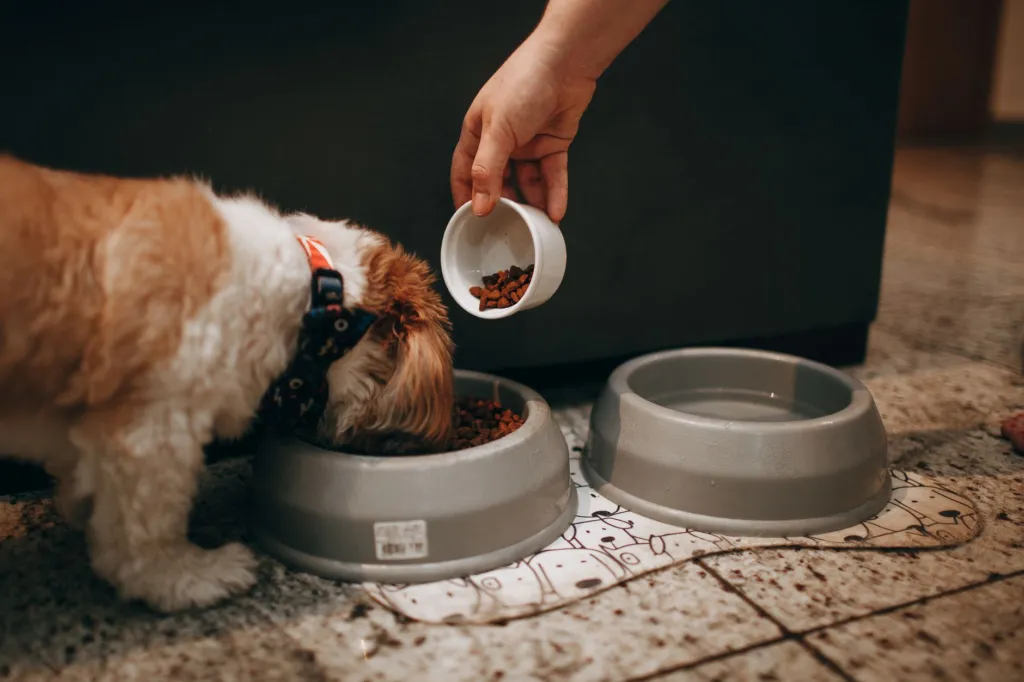
Understanding the Nutritional Needs of Dogs
Macronutrients: Proteins, Fats, and Carbohydrates
Dogs have distinct nutritional requirements that differ significantly from those of ferrets. The primary macronutrients that dogs need include proteins, fats, and carbohydrates. Each of these plays a vital role in maintaining a dog’s health and overall well-being. Proteins are essential for muscle development, tissue repair, and immune function. Fats provide concentrated energy and are crucial for healthy skin and coat. Carbohydrates, while not essential, can provide a quick source of energy and contribute to digestive health.
When selecting food for your dog, it’s important to consider the ratio of these macronutrients. A balanced dog diet typically contains:
- Protein: 18-25% of the total diet
- Fat: 8-15% of the total diet
- Carbohydrates: 30-50% of the total diet
Understanding these needs can help pet owners choose appropriate food options that support their dog’s health.
Vitamins and Minerals: The Micronutrient Essentials
In addition to macronutrients, dogs also require a variety of vitamins and minerals to thrive. These micronutrients are essential for numerous bodily functions, including bone development, nerve function, and enzymatic reactions. Vitamins such as A, D, E, and the B-complex group, along with minerals like calcium and phosphorus, are particularly important.
Many commercial dog foods are fortified with these necessary vitamins and minerals, but pet owners should still pay attention to the ingredient list. Some key vitamins and minerals that dogs need include:
- Vitamin A for vision and immune function
- Vitamin D for calcium absorption
- Calcium for strong bones and teeth
- Iron for blood health
A well-rounded diet that meets these nutritional requirements will help keep your dog healthy and active.
Alternatives to Ferret Food: Exploring Safe Treat Options
Commercial Dog Treats: What to Look For
When considering alternatives to ferret food, commercial dog treats can be a safe and nutritious option. However, not all dog treats are created equal, so it’s important to choose high-quality products. Look for treats that contain:
- Real meat as the first ingredient
- Minimal fillers and artificial additives
- Natural preservatives
Many brands offer specialized treats designed for specific health needs, such as dental chews to promote oral health or grain-free options for dogs with sensitivities. Always read labels carefully and consult your veterinarian if you have concerns about your dog’s diet.
Homemade Treats: Healthy and Fun Recipes
Another great alternative is to make homemade dog treats. This allows you to control the ingredients and ensure your dog enjoys a nutritious snack. Some simple and healthy recipes include:
- Peanut Butter and Banana Biscuits: Combine whole wheat flour, mashed bananas, and peanut butter, and bake until golden.
- Pumpkin and Oat Treats: Mix canned pumpkin, oats, and a bit of cinnamon, then cut into shapes and bake.
- Chicken Jerky: Dehydrate thin strips of chicken breast in the oven for a protein-packed treat.
These homemade treats can be a rewarding way to bond with your dog while ensuring they receive wholesome ingredients.

Special Considerations for Dogs with Dietary Restrictions
Allergies and Food Sensitivities
Some dogs may have food allergies or sensitivities, which can complicate their diet choices. Common allergens include proteins like beef, chicken, dairy, and grains. If you suspect your dog has a food allergy, consult your veterinarian for guidance. They may recommend an elimination diet to help identify the offending ingredient.
For dogs with known allergies, hypoallergenic dog foods are available. These foods typically use novel protein sources, like duck or venison, and are formulated without common allergens. Always check with your vet before making significant changes to your dog’s diet.
Age and Health Status: Tailoring the Diet
The dietary needs of dogs can vary significantly based on their age, breed, and health status. Puppies, adult dogs, and senior dogs all require different nutrient profiles to support their respective life stages.
Puppies need a diet rich in protein and calories to support growth, while senior dogs may benefit from lower calorie and higher fiber diets to maintain a healthy weight. Dogs with specific health conditions, such as diabetes or kidney disease, may also require specialized diets.
It’s essential for pet owners to tailor their dog’s diet according to these factors, and regular veterinary check-ups can help guide dietary adjustments as your dog ages.
Frequently Asked Questions
1. Can dogs survive on ferret food for a short period?
While dogs may not experience immediate effects from eating ferret food, it is not nutritionally balanced for them. Long-term consumption can lead to health issues.
2. What are the signs my dog is having a bad reaction to ferret food?
Signs of a bad reaction may include vomiting, diarrhea, lethargy, or changes in appetite. If you notice any of these symptoms, consult your veterinarian.
3. Are there any safe ferret food brands for dogs?
No, ferret food is specifically formulated for ferrets and does not meet the nutritional needs of dogs. Always choose food made specifically for dogs.
4. How can I transition my dog to a new food safely?
Transition your dog gradually over 7-10 days by mixing increasing amounts of the new food with their current food to prevent digestive upset.
The Bottom Line
In summary, dogs should not eat ferret food due to the significant differences in nutritional requirements between the two species. Ferret food lacks essential nutrients that dogs need, and feeding it to them can lead to health issues. Always prioritize a balanced diet tailored for dogs, and consult your veterinarian for the best dietary choices for your furry friend.
Was this article helpful?

Writer at Mad4Pets. Lifelong animal lover who turns research and vet guidance into practical tips for everyday pet parents.