Discover What Rabbits Eat for a Healthy Diet
Learn what do rabbits eat to ensure your pet has a balanced diet for optimal health and happiness.

Key takeaways
- Rabbits need a diet rich in hay, vegetables, and pellets.
- Fresh water should always be available for your rabbit.
- Avoid feeding rabbits sugary or starchy foods.
- Regularly consult with a vet for dietary advice.
Understanding Rabbit Nutrition
Rabbits are unique creatures with specific dietary needs that differ from many other pets. Understanding what do rabbits eat is crucial for their health and well-being. A well-balanced diet helps keep your rabbit happy, active, and free from health issues. This guide will explore the essential components of a rabbit’s diet, ideal food types, and feeding practices.
As herbivores, rabbits primarily consume plants. Their digestive systems are designed to process high-fiber foods, enabling them to thrive on a diet rich in hay, fresh vegetables, and specially formulated pellets. It’s essential for rabbit owners to be knowledgeable about what foods are suitable and how to provide them appropriately.
This article will break down the different food categories suitable for rabbits, common mistakes owners make, and tips on how to introduce new foods to your pet’s diet. By the end, you will have a comprehensive understanding of what do rabbits eat and how to maintain a healthy feeding routine.
The Foundation: Hay
Hay should constitute the largest portion of your rabbit’s diet, making up about 80% of their daily intake. It is crucial for their digestive health and helps wear down their continuously growing teeth. The best types of hay include:
- Timothy Hay: A high-fiber hay that’s great for adult rabbits.
- Orchard Grass Hay: A softer alternative, ideal for younger rabbits.
- Bermudagrass Hay: Another excellent option that offers variety.
When selecting hay, ensure it is free from mold, dust, and contaminants. Fresh hay should smell good and have a vibrant color. Avoid hay that is brown or has a musty odor, as these can indicate poor quality.
Introduce hay to your rabbit’s diet gradually. Young rabbits will typically eat hay readily, but older rabbits may need encouragement. If your rabbit seems uninterested, try offering different hay types to find their preference.
Fresh Vegetables: A Vital Supplement
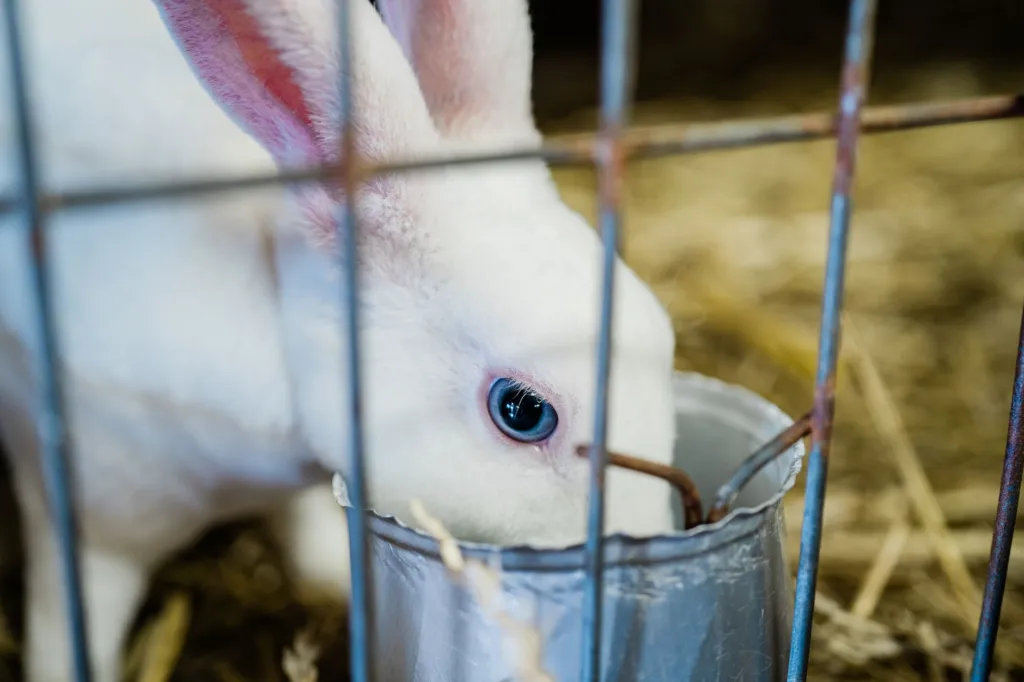
Fresh vegetables are an essential part of a rabbit’s diet, providing vital nutrients and variety. Aim to offer 1 to 2 cups of fresh, leafy greens per 5 pounds of body weight daily. Here are some great options:
- Romaine Lettuce: A nutritious option that many rabbits enjoy.
- Kale: Rich in vitamins, but should be fed in moderation due to high calcium content.
- Spinach: Another leafy green, also to be fed sparingly.
- Parsley: A rabbit favorite that is both flavorful and nutritious.
- Bell Peppers: High in vitamin C, a colorful addition to their diet.
Always wash vegetables thoroughly before offering them to your rabbit to remove any pesticides or dirt. Gradually introduce new vegetables to avoid digestive upset. If you notice any adverse reactions, discontinue the new vegetable and consult a veterinarian.
Commercial Pellets: A Balanced Option
High-quality commercial pellets can be a beneficial addition to your rabbit’s diet. They should be made from grass hay and contain a balanced mixture of nutrients. Look for pellets that are:
- Timothy-Based: Pellets made from grass hay rather than alfalfa, which is too rich for adult rabbits.
- Fortified: With vitamins and minerals to ensure a well-rounded diet.
- Free from Fillers: Avoid those that contain seeds, nuts, or sugary additives.
Pellets should only make up about 10% of your rabbit’s diet. Over-reliance on pellets can lead to obesity and other health issues. Monitor your rabbit’s weight and adjust their pellet intake accordingly.
Fresh Water: An Essential Component
Fresh water is vital for your rabbit’s health. Always provide clean, accessible water to keep them hydrated. Water consumption can vary based on factors like diet and temperature, so monitor their intake. Use a heavy bowl or a water bottle designed for rabbits to prevent spills.
Change the water daily to ensure it’s always fresh. If your rabbit seems disinterested in drinking, try offering water in different containers to find what they prefer. Dehydration can lead to severe health issues, so pay close attention to their water habits.
Foods to Avoid
Not all foods are safe for rabbits. Some can cause serious health problems, including gastrointestinal stasis or toxicity. Here are common foods to avoid:
- Fruits: While small amounts can be given occasionally, fruits are high in sugar and should not be a staple.
- Grains: Such as bread, pasta, and cereal, are unsuitable for rabbits.
- Human Food: Avoid any processed or packaged foods, as they often contain harmful ingredients.
- Some Vegetables: Nightshade vegetables like tomatoes and potatoes are toxic to rabbits.
Always do your research before introducing new foods to ensure they are safe. If in doubt, consult with a veterinarian for advice on your rabbit’s dietary needs.
How to Introduce New Foods
Introducing new foods to your rabbit’s diet should be done gradually. Start with small portions of any new vegetable or hay type and monitor their reaction. Here’s a simple guide on how to properly introduce new foods:
- Start Small: Offer a tiny piece of the new food alongside their regular diet.
- Observe: Watch for any signs of digestive upset, such as diarrhea or changes in behavior.
- Gradual Increase: If there are no issues, slowly increase the portion over several days.
Keep a journal of what foods your rabbit likes and dislikes to help tailor their diet over time. This can help ensure they get the nutrition they need while enjoying their meals.
Understanding the Role of Treats in a Rabbit’s Diet
Healthy Treat Options
Treats can be an enjoyable part of a rabbit’s diet, but it’s crucial to choose them wisely. Healthy treats should complement their primary diet without overwhelming it. Some good options include small pieces of fresh fruits like apples or strawberries, and specially formulated rabbit treats that prioritize health.
When selecting treats, ensure they are low in sugar and free from artificial additives. Natural treats, such as dried herbs or leafy greens, can also provide enrichment and variety. Always introduce treats in moderation to maintain a balanced diet.
- Small pieces of fresh fruits (e.g., apple, pear)
- Dried herbs (e.g., basil, parsley)
- Commercially available rabbit treats with limited ingredients
How to Use Treats for Training
Treats can be an effective tool in training your rabbit. Positive reinforcement is essential to encourage desired behaviors, such as using a litter box or learning tricks. By associating good behavior with a tasty reward, you can enhance your rabbit’s learning experience.
Begin by selecting a treat that your rabbit particularly enjoys. Use it sparingly during training sessions to keep your rabbit engaged. Gradually, as your rabbit becomes more accustomed to the desired behavior, you can reduce the frequency of treats while still offering praise and affection.
- Choose a high-value treat that your rabbit loves.
- Use treats immediately after your rabbit performs the desired behavior.
- Be consistent in your training sessions.
Recognizing Overindulgence
While treats can be beneficial, it’s vital to monitor your rabbit’s intake, as overindulgence can lead to obesity and other health issues. Signs of overindulgence may include weight gain or lethargy. Regular weigh-ins can help you track your rabbit’s weight and ensure they remain within a healthy range.
To balance treats within their diet, aim for treats to make up no more than 5 to 10 percent of your rabbit’s daily intake. This ensures they receive the nutrients they need from hay, vegetables, and pellets, while still enjoying the occasional treat.
- Monitor your rabbit’s weight regularly.
- Limit treats to a small percentage of their daily diet.
- Watch for signs of lethargy or decreased activity.
Herbs and Their Benefits for Rabbits
Common Herbs Safe for Rabbits
Incorporating herbs into your rabbit’s diet can offer various health benefits, including improved digestion and enhanced immune function. Many herbs are safe and nutritious for rabbits, adding flavor and variety to their meals.
Some commonly used herbs include parsley, cilantro, and basil. These herbs provide essential vitamins and minerals, contributing to overall well-being. Fresh herbs can be offered daily, but moderation is key to avoid digestive upset.
- Parsley – Rich in vitamin C and antioxidants.
- Cilantro – Supports digestive health.
- Basil – Contains anti-inflammatory properties.
How to Introduce Herbs
Introducing herbs to your rabbit’s diet should be done gradually. Start with a small quantity to monitor for any adverse reactions. If your rabbit enjoys the new herb and shows no signs of digestive upset, you can gradually increase the amount offered.
Chop the herbs into small pieces to make it easier for your rabbit to consume. Observing your rabbit’s preference can help you determine which herbs they enjoy the most. This not only enhances their diet but also provides mental stimulation.
- Start with a small amount of one herb.
- Observe for any digestive issues.
- Gradually increase quantities as tolerated.
The Nutritional Value of Herbs
Herbs are not just flavor enhancers; they are packed with nutrients beneficial for your rabbit. For instance, many herbs are high in vitamin C, crucial for preventing deficiencies in rabbits, particularly those who do not consume commercial pellets.
Including a variety of herbs can help ensure your rabbit receives a broad spectrum of nutrients. Additionally, herbs can aid in stimulating your rabbit’s appetite, making mealtime more enjoyable. Always opt for fresh herbs, as dried versions can lack nutrients and may contain preservatives.
- High in vitamins and minerals.
- Can stimulate appetite.
- Provide natural flavor and variety.
Understanding the Importance of Fiber in Rabbit Diets
The Role of Fiber in Digestive Health
Fiber is a critical component of a rabbit’s diet, playing a vital role in maintaining digestive health. A high-fiber diet promotes healthy gut motility, preventing issues such as gastrointestinal stasis, which can be life-threatening. Rabbits are designed to consume a diet high in fiber, primarily from hay and grass.
Low fiber intake can lead to serious health complications, including bloating and constipation. Fiber helps break down food and aids in the passage of waste through the digestive system. Ensuring your rabbit has access to unlimited hay and fibrous vegetables is essential for their overall health.
- Prevents gastrointestinal stasis.
- Promotes healthy digestion.
- Aids in weight management.
Choosing High-Fiber Vegetables
While hay forms the cornerstone of a rabbit’s fiber intake, certain vegetables can also contribute significantly to their fiber needs. Leafy greens, such as romaine lettuce, kale, and dandelion greens, are excellent choices that provide both fiber and essential nutrients.
When selecting vegetables, focus on those that are high in fiber and low in sugar. This will help keep your rabbit’s digestive system functioning optimally while minimizing the risk of obesity. Always wash vegetables thoroughly to remove any pesticides or contaminants before feeding.
- Romaine lettuce – High in fiber and low in sugar.
- Kale – Nutrient-dense and fibrous.
- Dandelion greens – Great source of fiber and vitamins.
The Consequences of Low Fiber Intake
Failing to provide sufficient fiber can lead to severe health problems for rabbits. Without adequate fiber, rabbits may experience lethargy, loss of appetite, and an increased risk of developing dental issues due to insufficient chewing. The lack of fiber can also lead to serious digestive disorders.
Regular veterinary check-ups are essential to monitor your rabbit’s health. Your veterinarian can offer guidance on maintaining an appropriate fiber balance in your rabbit’s diet, emphasizing the importance of hay as the primary source.
- Increased risk of dental problems.
- Higher chances of gastrointestinal stasis.
- Potential for obesity and related health issues.
Frequently Asked Questions
Can rabbits eat fruit?
Yes, but only in moderation. Fruits are high in sugar and should be treated as occasional treats rather than staples in their diet.
How much hay should I feed my rabbit?
Your rabbit should have unlimited access to hay. It should make up about 80% of their diet, ensuring they have enough fiber for good digestive health.
Is it safe to give my rabbit treats?
Only provide rabbit-safe treats in small amounts. Avoid treats high in sugars or fats, and stick to fresh herbs or small pieces of vegetables.
How often should I feed my rabbit fresh vegetables?
Offer fresh vegetables daily, aiming for 1 to 2 cups of leafy greens per 5 pounds of your rabbit’s body weight. Introduce new varieties gradually.
The Bottom Line
Understanding what do rabbits eat is essential for their health and happiness. A balanced diet of hay, fresh vegetables, and high-quality pellets, along with constant access to clean water, will help ensure your rabbit thrives. Regularly consulting with a veterinarian can provide tailored advice to meet your rabbit’s specific needs as they grow and change.
Was this article helpful?

Writer at Mad4Pets. Lifelong animal lover who turns research and vet guidance into practical tips for everyday pet parents.