Setting Up a Leopard Gecko Habitat for Happy Living
Learn how to create the perfect leopard gecko habitat with our detailed guide covering size, temperature, and essential decor.

Key takeaways
- Leopard geckos require a secure and spacious habitat.
- Proper heating and humidity are crucial for their health.
- Decor items should mimic their natural environment.
- Regular cleaning and maintenance keep your gecko healthy.
Setting up a leopard gecko habitat is essential for the health and happiness of your new pet. Leopard geckos are fascinating reptiles that thrive in well-maintained environments. They are relatively easy to care for, but providing the right habitat is crucial for their well-being.
This guide will walk you through everything you need to know about creating an ideal habitat for your leopard gecko, from selecting the right tank size to choosing the perfect substrate and decor. By the end of this article, you will be equipped with all the knowledge needed to create a safe and stimulating environment for your gecko.
Whether you are a first-time reptile owner or looking to upgrade your current setup, this comprehensive guide will help you every step of the way.
Choosing the Right Tank Size
One of the first steps in setting up a leopard gecko habitat is choosing the right tank size. Leopard geckos, being terrestrial reptiles, require horizontal space rather than vertical height. A common recommendation for adult leopard geckos is a 20-gallon long tank. However, larger tanks are always better, especially if you plan to house more than one gecko.
Here are a few points to consider when selecting a tank:
- Size: A 20-gallon long tank is suitable for one adult leopard gecko, while a 40-gallon long tank can accommodate two geckos.
- Shape: Choose a tank that is long rather than tall to provide ample floor space for roaming.
- Material: Glass tanks are commonly used for reptile habitats due to their visibility and ease of cleaning.
Setting Up Multiple Geckos
If you plan to keep multiple leopard geckos together, ensure that you provide enough space to avoid territorial disputes. Each gecko should ideally have at least 10 gallons of space. Additionally, provide multiple hiding spots and basking areas to minimize stress and aggression.
Heating and Lighting Requirements
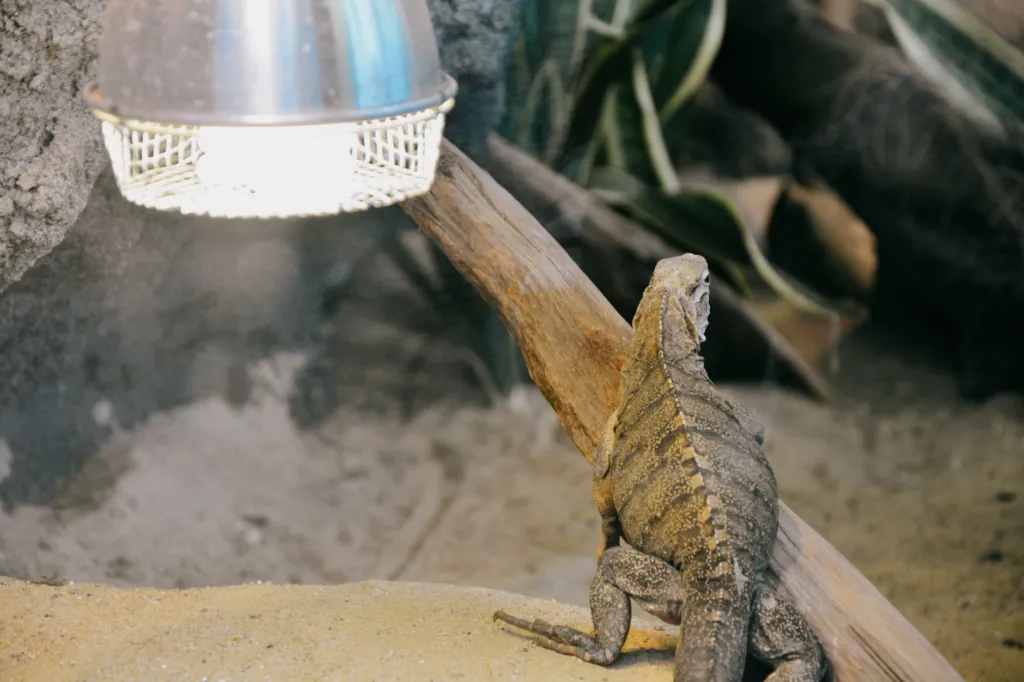
Proper temperature regulation is crucial for the health of your leopard gecko. They are ectothermic animals, which means they rely on their environment to regulate their body temperature. A temperature gradient within the habitat is necessary, allowing the gecko to choose the temperature that feels best for them.
Here’s how to set up the heating:
- Warm Side Temperature: The warm side of the tank should be maintained at 88-92°F (31-33°C). Use an under-tank heat mat or a heat lamp to achieve this.
- Cool Side Temperature: The cool side should be around 75-80°F (24-27°C). This allows your gecko to cool off when needed.
- Night Temperature: Nighttime temperatures can drop to around 70°F (21°C) without harm.
It’s important to use a reliable thermometer to monitor these temperatures accurately. Regularly check the heat sources to ensure they are functioning correctly.
Lighting Needs
Leopard geckos do not require UVB lighting as many other reptiles do, but providing a low-level UVB light can be beneficial. This helps with Vitamin D3 synthesis, which is essential for calcium absorption. If you choose to add UVB lighting, ensure it is not overly intense and is positioned correctly to allow your gecko to escape the light if desired.
Choosing Substrate
The substrate you choose for your leopard gecko habitat is vital for both their comfort and health. There are several options available, and each has its pros and cons.
- Reptile Carpet: This is a popular choice as it is easy to clean, prevents impaction, and provides a soft surface for your gecko.
- Paper Towels: A cost-effective and easy-to-clean option, paper towels can be used for hatchlings or during the initial setup.
- Sand: While some owners prefer sand for its natural appearance, it can pose a risk of impaction if ingested. If you opt for sand, ensure it is specifically designed for reptiles.
- Tile: Ceramic or porcelain tiles can provide a hard surface that is easy to clean and maintain. They also help regulate temperature well.
Whatever substrate you choose, make sure it is safe and suitable for your leopard gecko. Avoid using loose substrates like gravel or wood shavings that may cause health issues.
Essential Habitat Decor
Decor not only enhances the aesthetic appeal of your leopard gecko habitat but also provides essential enrichment. Adding various items will help mimic their natural environment and promote healthy behaviors.
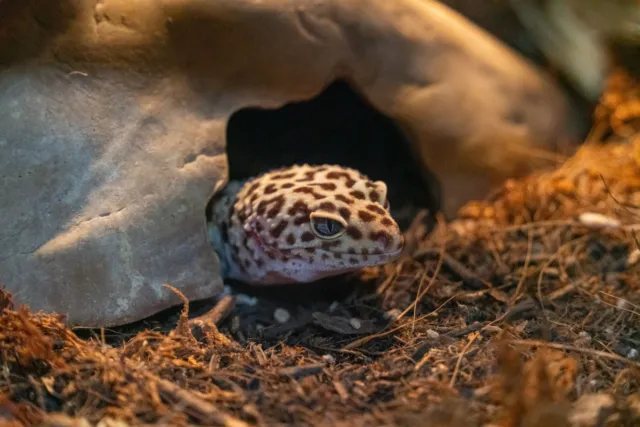
- Hiding Spots: Geckos need places to hide to feel secure. Use commercially available reptile hides or create your own using rocks, logs, or cardboard boxes.
- Basking Areas: Include a flat rock or platform where your gecko can bask under a heat source. This should be positioned on the warm side of the tank.
- Climbing Structures: While leopard geckos are primarily ground-dwelling, they enjoy climbing. Provide some branches or rocks to explore.
- Water Dish: A shallow water dish should be present for hydration. Ensure it is changed daily to prevent bacteria growth.
When arranging these items, ensure there is enough space for your gecko to move around comfortably. Avoid overcrowding, which can lead to stress.
Maintaining Humidity Levels
Humidity is another critical factor in a leopard gecko’s habitat. They thrive in a relatively dry environment, but they do benefit from occasional humidity. The ideal humidity range for leopard geckos is between 30-40%. Too much humidity can lead to respiratory problems and other health issues.
Here are some tips for maintaining proper humidity:
- Humidity Hides: Create a humidity hide using a small container filled with damp moss or paper towels. This provides a moist area for your gecko when needed.
- Regular Monitoring: Use a hygrometer to check humidity levels regularly. Adjust as necessary, either by misting the tank or using a substrate that holds moisture.
- Avoid Over-Misting: Be cautious not to over-mist the habitat, as excessive moisture can lead to mold growth and health issues.
Feeding Your Leopard Gecko
Feeding is a critical aspect of caring for your leopard gecko. They are insectivores, which means their diet primarily consists of insects. Common options include crickets, mealworms, and dubia roaches. Ensure that the insects are appropriately sized and gut-loaded before feeding.
Here are some feeding guidelines:
- Frequency: Adult leopard geckos can be fed every other day, while juveniles may require feeding daily.
- Supplementation: Dust insects with a calcium supplement at least 2-3 times a week to prevent metabolic bone disease.
- Water: Always provide fresh water and ensure it is accessible at all times.
Monitor your gecko’s weight and appetite to ensure they are receiving adequate nutrition. If you notice signs of weight loss or lethargy, consult a veterinarian.
Regular Cleaning and Maintenance
Maintaining a clean habitat is vital for your leopard gecko’s health. Regular cleaning helps prevent the growth of harmful bacteria and parasites. Here are some cleaning tips:
- Spot Cleaning: Remove uneaten food and waste daily to keep the habitat clean.
- Deep Cleaning: Every month, perform a thorough clean of the tank. Remove all decor and substrate, wash the tank with a reptile-safe disinfectant, and replace the substrate.
- Monitor Health: During cleaning, observe your gecko for any signs of illness or stress.
Establishing a routine can make maintenance easier and ensure a healthy environment for your pet.
Understanding Leopard Gecko Behavior
Social Interactions
Leopard geckos are generally solitary creatures, but they do exhibit social behaviors, especially during breeding seasons. While they can tolerate the presence of other geckos, it is essential to monitor their interactions carefully. Aggressive behavior can arise in smaller enclosures or when multiple males are housed together.
To ensure a harmonious environment, it’s a good idea to house leopard geckos individually unless breeding is intended. If you choose to keep them in pairs or groups, provide ample hiding spots and visual barriers to reduce territorial disputes.
- Monitor for signs of stress, such as loss of appetite or hiding behavior.
- Separate geckos if aggression is observed.
- Provide multiple basking spots to prevent competition.
Behavioral Enrichment
Behavioral enrichment is crucial for the well-being of leopard geckos. This can be achieved through various methods, such as introducing new hides, climbing structures, and safe objects that encourage exploration and natural behaviors. Leopard geckos are inquisitive and benefit from environments that stimulate their senses.
Consider rotating decorations and habitat features regularly to keep your gecko engaged and to mimic the changes they would experience in the wild. This change can prevent boredom and promote a healthier lifestyle.
- Introduce new climbing branches.
- Add live or artificial plants for hiding spots.
- Incorporate different textures in the habitat.
Understanding Vocalizations and Body Language
Leopard geckos can communicate through a variety of vocalizations and body language. Understanding these signals can help you gauge their health and mood. Common vocalizations include chirps or barks, often indicating excitement or stress.
Body language is equally telling; a gecko with a relaxed posture and open mouth is generally comfortable, while a puffed-up appearance or tail waving can indicate fear or aggression. Paying close attention to these cues can enhance your bond with your gecko and help you better meet their needs.
- Chirping indicates excitement or distress.
- Puffed-up body language suggests fear.
- Relaxed posture indicates comfort and security.
Health Considerations for Leopard Geckos
Common Health Issues
Leopard geckos are generally hardy pets, but they can encounter several health issues that owners should be aware of. Common problems include metabolic bone disease (MBD), impaction, and respiratory infections. Understanding the signs and symptoms of these ailments is crucial for prompt treatment.
MBD often results from insufficient calcium and UVB exposure. Symptoms include lethargy, swollen limbs, and deformities. Impaction, often caused by ingesting substrate or foreign objects, can lead to severe digestive problems. Signs include lethargy, loss of appetite, and abnormal posture. Immediate veterinary attention is crucial for both conditions.
- Watch for lethargy and appetite changes.
- Monitor for abnormal feces.
- Check for swelling or deformities in limbs.
Regular Health Checks
Routine health checks are vital for preventing diseases in your leopard gecko. This includes assessing physical condition, weight, and behavioral patterns. Regularly observing your gecko can help you catch potential health issues before they become serious.
Weigh your gecko weekly to monitor for weight loss or gain. Healthy leopard geckos should have a robust, well-rounded body. Regular veterinary check-ups can also help identify any hidden issues and ensure your gecko receives necessary vaccinations or treatments.
- Check for weight stability weekly.
- Observe fecal output for signs of health.
- Schedule annual vet visits for preventative care.
Signs of Stress and How to Alleviate It
Stress can significantly impact a leopard gecko’s health and behavior. Signs of stress include hiding excessively, lack of appetite, and aggressive behaviors. Various factors can contribute to stress, including improper handling, unsuitable habitat conditions, or the presence of other pets.
To alleviate stress, create a stable and secure environment. Minimize loud noises and sudden movements near their habitat. Additionally, ensure they have proper hiding spots where they feel safe. Gradually acclimate your gecko to handling, allowing them to adjust at their own pace.
- Provide safe hiding places.
- Limit exposure to loud noises.
- Handle your gecko gently and infrequently until it is comfortable.
Setting Up a Feeding Schedule
Understanding Nutritional Needs
Leopard geckos are insectivores, primarily consuming live insects. Their diet should consist of a variety of insects, including crickets, mealworms, and roaches, to ensure they receive balanced nutrition. Supplementation with calcium and vitamins is also crucial for their health, particularly for young geckos and females during breeding.
For optimal health, offer a range of insects and rotate their diet weekly. This variety not only keeps your gecko engaged but also ensures they receive essential nutrients. It is crucial to gut-load insects with nutritious foods before feeding them to your gecko.
- Offer insects like crickets, mealworms, and roaches.
- Supplement with calcium and vitamins.
- Rotate insect types weekly for variety.
Creating a Feeding Schedule
Establishing a consistent feeding schedule is essential for the health of your leopard gecko. Young geckos may require daily feedings, while adults can be fed every other day. This schedule helps regulate their metabolism and ensures they receive adequate nutrition without overfeeding.
Observe your gecko’s eating habits to adjust the feeding frequency and portion sizes accordingly. If your gecko is consistently leaving food uneaten, consider reducing the amount offered. Conversely, if they are devouring everything quickly, you may need to increase the portion size.
- Young geckos: feed daily.
- Adult geckos: feed every other day.
- Adjust portions based on eating habits.
Hydration and Water Needs
Hydration is vital for leopard geckos, though they do not require standing water as other reptiles might. Instead, provide a shallow dish of fresh water that is easily accessible. Change the water daily to prevent bacterial growth and encourage drinking.
In addition to providing water, you can increase humidity levels in the habitat by lightly misting the enclosure. This practice can assist in shedding and hydration but should be done sparingly to avoid excessive moisture. Keep an eye on the humidity levels to ensure they remain within a healthy range.
- Provide a shallow water dish.
- Change water daily.
- Mist the habitat sparingly for humidity.
Frequently Asked Questions
What temperature should a leopard gecko habitat be?
The warm side of the habitat should be 88-92°F (31-33°C), while the cool side should be around 75-80°F (24-27°C).
How often should I feed my leopard gecko?
Adult leopard geckos can be fed every other day, while juveniles may require feeding daily.
Do leopard geckos need UVB light?
While not strictly necessary, providing low-level UVB lighting can be beneficial for their health.
What substrate is best for leopard geckos?
Reptile carpet, paper towels, and tiles are excellent choices. Avoid loose substrates like sand unless you are cautious about impaction.
The Bottom Line
Creating a suitable leopard gecko habitat requires careful planning and attention to detail. From selecting the right tank size to maintaining proper temperatures and humidity, each element plays a crucial role in your pet’s health and happiness. By following the guidelines in this article, you can ensure a thriving environment for your leopard gecko, allowing them to live a long and healthy life.
Was this article helpful?

Writer at Mad4Pets. Lifelong animal lover who turns research and vet guidance into practical tips for everyday pet parents.