Can Dogs Eat Carrots? Nutrition, Benefits, and Risks
Wondering can dogs eat carrots? Discover the nutritional benefits, serving suggestions, and potential risks of feeding carrots to your dog.


Key takeaways
- Carrots are safe and nutritious for dogs.
- They can help with dental health and weight management.
- Always cut carrots into appropriate sizes to prevent choking.
- Consult your veterinarian before introducing new foods.
Pet owners frequently seek healthy snacks to supplement their dogs’ diets. Carrots often come to mind as a nutritious option. But can dogs eat carrots? The answer is a resounding yes. Not only are carrots safe for dogs, but they also offer several health benefits that can contribute positively to your pet’s overall diet.
Carrots are rich in vitamins and minerals, making them a great low-calorie treat. They are particularly high in beta-carotene, which is converted into vitamin A in the body. Vitamin A plays a critical role in maintaining good vision, a healthy immune system, and proper skin health. However, like any food, carrots should be introduced to your dog’s diet with care.
This comprehensive guide will explore the nutritional benefits of carrots, how to prepare them for your dog, serving sizes, and any potential risks associated with feeding carrots to your furry friend.
Nutritional Benefits of Carrots
Carrots are a powerhouse of nutrients that can enhance your dog’s health. Here are some key nutritional benefits:
- Rich in Vitamins: Carrots are an excellent source of vitamins, particularly vitamin A, which is vital for eye health.
- High in Fiber: The fiber content in carrots helps promote healthy digestion, which can assist in preventing constipation.
- Low in Calories: Carrots offer a crunchy, satisfying treat that is low in calories, making them a great option for weight management.
- Antioxidants: Carrots contain antioxidants that can help combat free radicals in your dog’s body, potentially reducing the risk of chronic diseases.
In addition to these benefits, carrots are also low in fat, which makes them an ideal snack for dogs that need to maintain a healthy weight. The crunchy texture of carrots can also help in cleaning your dog’s teeth, contributing to better dental health.
How to Prepare Carrots for Your Dog
Preparing carrots for your dog is simple and straightforward. Here are some recommended preparation methods:
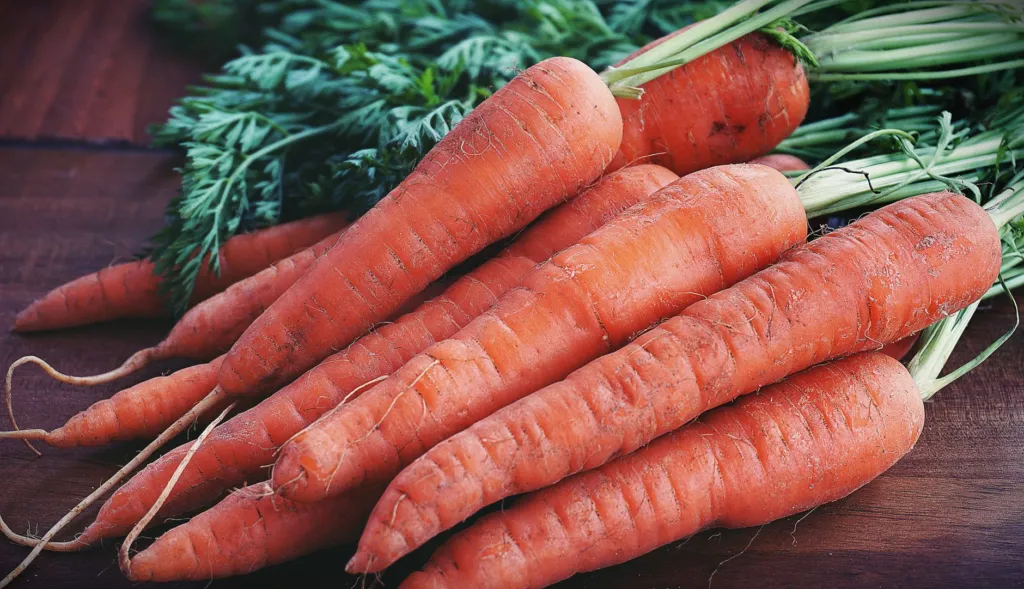
- Raw Carrots: Simply wash and cut the carrots into small, bite-sized pieces to prevent choking hazards. You can also offer baby carrots, which are easier for small dogs to handle.
- Cooked Carrots: Steaming or boiling carrots can make them softer, which may be easier for older dogs or those with dental issues. Ensure they are cooled and cut into manageable pieces.
- Carrot Puree: For picky eaters, consider making a carrot puree by blending cooked carrots. This can be added to their regular food for added nutrition.
Regardless of the method you choose, make sure to introduce carrots gradually into your dog’s diet. Monitor their reaction to ensure they are not experiencing any adverse effects.

Serving Sizes and Frequency
How much carrot should you feed your dog? The serving size can vary based on the dog’s size, weight, and overall diet. Here are some general guidelines:
- Small Dogs: 1 to 2 baby carrots or a few small slices of larger carrots per day.
- Medium Dogs: 2 to 4 baby carrots or a few slices of medium-sized carrots.
- Large Dogs: 4 to 6 baby carrots or several slices of larger carrots.
It’s important to use carrots as a treat and not a replacement for a balanced diet. Treats should make up no more than 10% of your dog’s daily caloric intake. Always consult with your veterinarian for personalized advice based on your dog’s specific needs.
Potential Risks of Feeding Carrots
While carrots are generally safe for dogs, there are some potential risks to consider:
- Choking Hazard: Whole carrots or large pieces can pose a choking risk, especially for small dogs. Always cut them into appropriate sizes.
- Digestive Issues: Introducing any new food too quickly can lead to digestive upset. Start with small amounts and monitor your dog.
- Allergic Reactions: Although rare, some dogs may be allergic to carrots. Watch for signs of allergies, such as itching or gastrointestinal upset.
If you notice any adverse reactions after feeding your dog carrots, discontinue use and consult your veterinarian. It’s always better to err on the side of caution when introducing new foods.
Carrots vs. Other Vegetables
Carrots are not the only healthy vegetable option for dogs. Here are some comparisons with other common vegetables:
| Vegetable | Calories (per 100g) | Vitamins | Fiber |
|---|---|---|---|
| Carrots | 41 | Vitamin A, K, C | 2.8g |
| Green Beans | 31 | Vitamin K, C | 3.4g |
| Sweet Potatoes | 86 | Vitamin A, C | 3g |
| Broccoli | 34 | Vitamin C, K | 2.6g |
As you can see from the table, carrots are low in calories and high in vitamins compared to many other vegetables. They also provide a satisfying crunch that many dogs enjoy, making them a preferable choice for treats.
Creative Ways to Serve Carrots
If you’re looking to spice up your dog’s carrot consumption, consider these creative serving ideas:
- Frozen Treats: Freeze carrot slices for a refreshing treat on hot days. You can also blend carrots with yogurt and freeze them in molds.
- Carrot Sticks with Peanut Butter: Spread a small amount of unsweetened peanut butter on carrot sticks for a tasty snack.
- Carrot and Apple Mix: Combine chopped carrots with diced apples for a crunchy and sweet treat.
These fun serving ideas can make carrots more appealing to your dog and encourage them to enjoy their healthy snacks.
Understanding Digestive Health in Dogs
The Role of Fiber
Fiber plays an essential role in a dog’s digestive health. Carrots are a source of soluble and insoluble fiber, both of which can aid in digestion. Soluble fiber can help regulate blood sugar levels and improve gut health, while insoluble fiber helps promote regular bowel movements. When introducing carrots into your dog’s diet, it is important to consider their overall fiber intake to avoid gastrointestinal upset.
Excessive fiber can lead to issues such as diarrhea or constipation. Therefore, when feeding carrots, moderation is key. A balanced diet that includes an appropriate amount of fiber from various sources will help maintain digestive health.
- Soluble Fiber: Helps regulate blood sugar and improve gut health.
- Insoluble Fiber: Promotes regular bowel movements.
- Moderation: Essential to avoid digestive upset.
Carrots and Dental Health
Feeding your dog carrots can also have a positive effect on their dental health. The crunchy texture of raw carrots can help reduce plaque and tartar buildup as your dog chews. This natural abrasive action can promote healthier gums and fresher breath, making carrots a beneficial addition to your dog’s diet.
However, it’s important to remember that carrots should not replace regular dental care practices such as brushing your dog’s teeth or professional cleanings. Instead, they can serve as a complement to a comprehensive dental care routine.
- Crunchy Texture: Helps reduce plaque and tartar.
- Gum Health: Chewing promotes healthier gums.
- Complement: Should be part of a broader dental care plan.
Monitoring for Allergies and Sensitivities
While carrots are generally considered safe for dogs, some may have allergies or sensitivities to them. It’s essential to monitor your dog for any adverse reactions when introducing new foods, including carrots. Signs of an allergic reaction can include gastrointestinal upset, itching, or unusual behavior.
If your dog exhibits any of these symptoms after eating carrots, it’s advisable to discontinue feeding them and consult your veterinarian. Keeping a food diary can also help track your dog’s reactions to various foods and identify any patterns related to allergies or sensitivities.
- Allergic Reactions: Symptoms include gastrointestinal upset and itching.
- Monitoring: Keep an eye on your dog after introducing carrots.
- Food Diary: Useful for tracking reactions to various foods.
Incorporating Carrots into a Balanced Diet
Complementary Foods
When adding carrots to your dog’s diet, consider pairing them with other nutritious foods to ensure a well-rounded meal. Carrots can be combined with lean proteins, whole grains, and healthy fats to create a balanced diet. For example, mixing shredded carrots into a bowl of brown rice with chicken can provide a variety of nutrients and flavors.
It’s essential to ensure that any additional foods are safe for dogs and contribute positively to their health. Avoid ingredients that can be harmful, such as onions or garlic, and focus on wholesome options that complement the benefits of carrots.
- Lean Proteins: Chicken, turkey, or fish.
- Whole Grains: Brown rice, quinoa, or oats.
- Healthy Fats: Fish oil or flaxseed oil.
Portion Control and Meal Timing
Understanding portion control is crucial when incorporating carrots into your dog’s diet. While they are low in calories, overfeeding can still lead to an imbalance in your dog’s overall nutrition. Carrots should only make up a small portion of your dog’s daily caloric intake.
Moreover, consider the timing of when you serve carrots. Some dogs may benefit from having them as a treat during training sessions, while others might enjoy them as a crunchy snack between meals. Adjusting the timing and portion of carrots can help maintain your dog’s interest and encourage positive behavior.
- Portion Control: Keep carrots to a small percentage of daily calories.
- Timing: Use as a training treat or snack.
- Variety: Rotate with other treats to keep your dog engaged.
Adjusting for Life Stages
As dogs age, their nutritional needs change, and this includes the incorporation of foods like carrots. Puppies may require more protein and calories for growth, while senior dogs may benefit from low-calorie, high-fiber foods that support digestion and weight management. Adjusting the type and amount of carrots based on your dog’s life stage is important.
For example, puppies can enjoy pureed carrots mixed into their food, while senior dogs may prefer cooked carrots that are easier to chew. Always consult your veterinarian when making significant dietary changes, especially during different life stages.
- Puppies: Require more protein and calories.
- Adults: Focus on balanced nutrition.
- Senior Dogs: Emphasize low-calorie, high-fiber options.
Carrots in Training and Behavior Modification
Using Carrots as Positive Reinforcement
Carrots can be a fantastic tool for positive reinforcement during training sessions. Their crunchy texture and natural sweetness make them an appealing treat for many dogs. Using carrots as a reward can encourage good behavior and help reinforce commands, making training sessions both effective and enjoyable for your dog.
To use carrots effectively, cut them into small, bite-sized pieces. This allows you to give frequent rewards without overfeeding. Additionally, you can use carrots to distract your dog during challenging situations, such as vet visits or grooming appointments.
- Positive Reinforcement: Use as treats for good behavior.
- Small Pieces: Helps control calorie intake.
- Distraction: Useful in stressful situations.
Enhancing Mental Stimulation
Incorporating carrots into your dog’s routine can also provide mental stimulation. Dogs enjoy using their senses to explore different textures and flavors. Offering whole carrots for chewing can engage their natural instincts and provide an enriching experience.
You can also create puzzle toys that incorporate carrots or carrot puree, encouraging your dog to think critically to access the treat. This not only keeps them entertained but also helps prevent boredom and destructive behavior.
- Texture Exploration: Engage their senses with crunchy carrots.
- Puzzle Toys: Incorporate carrots for mental challenges.
- Prevent Boredom: Keeps dogs entertained and engaged.
Addressing Behavioral Issues with Carrots
For dogs with behavioral issues such as anxiety or excessive barking, carrots can serve as a calming distraction. Chewing can help reduce stress levels, providing an outlet for nervous energy. The act of chewing a carrot can be soothing, helping dogs to relax during stressful situations.
However, it’s essential to combine this approach with additional training methods and behavioral interventions. Consulting with a professional dog trainer or behaviorist can ensure a comprehensive strategy to address behavioral issues effectively.
- Calming Effect: Chewing can reduce stress.
- Behavioral Interventions: Combine with other training methods.
- Professional Help: Consult trainers for comprehensive strategies.
Frequently Asked Questions
Can puppies eat carrots?
Yes, puppies can eat carrots, but it is important to introduce them slowly and ensure they are cut into small, manageable pieces to prevent choking.
Are cooked carrots better than raw for dogs?
Both raw and cooked carrots can be beneficial for dogs. Raw carrots provide a crunchy texture, while cooked carrots can be easier to chew for some dogs. Choose based on your dog’s preferences and needs.
How often can I feed my dog carrots?
Carrots can be fed to dogs a few times a week as a treat. They should not replace a balanced diet and should be given in moderation.
Can dogs eat carrot cake?
While plain carrot cake may be safe in small amounts, many commercial carrot cakes contain sugar, flour, and other ingredients that may be harmful to dogs. It’s best to avoid feeding your dog carrot cake.
The Bottom Line
Carrots are a safe and nutritious snack for dogs, offering numerous health benefits. They are low in calories, high in vitamins, and can contribute to better dental health. Always prepare carrots appropriately and introduce them gradually into your dog’s diet. Monitor for any adverse reactions, and consult your veterinarian if you have any concerns. With the right approach, carrots can be a delightful addition to your dog’s diet.
Was this article helpful?

Writer at Mad4Pets. Lifelong animal lover who turns research and vet guidance into practical tips for everyday pet parents.