How to Bathe a Dog at Home: A Step-by-Step Guide
Learn how to bathe a dog at home with our comprehensive guide that covers preparation, bathing techniques, and post-bath care.

Key takeaways
- Gather all necessary supplies before starting.
- Choose the right location for bathing your dog.
- Follow steps for a stress-free bathing experience.
Bathing your dog at home can be a rewarding experience for both you and your furry friend. Not only does it promote cleanliness, but it also provides an opportunity for bonding. Regular bathing helps maintain your dog’s coat and skin health, removes dirt and allergens, and can even reduce odor. However, the process can seem daunting, especially if your dog is not accustomed to baths.
This guide will walk you through the essential steps to effectively bathe a dog at home. We will discuss the necessary preparations, the best techniques for washing your dog, and tips for making the experience enjoyable for both of you. By the end, you should feel confident in your ability to give your dog a thorough and gentle bath.
Whether your dog enjoys splashing in water or is more hesitant, with the right approach, you can make bath time a pleasant routine. Let’s dive into the details of how to bathe a dog at home.
Preparing for the Bath
Before you even turn on the water, there are several preparations to make the bathing process smoother. This includes gathering supplies and choosing the right location.
Gathering Supplies
Make sure to have everything you need at hand to avoid leaving your dog unattended during the bath. Here’s a list of essential supplies:
- Dog shampoo: Use a formula specifically designed for dogs to avoid skin irritation.
- Brush: A brush suitable for your dog’s coat type to remove tangles and loose fur.
- Towels: Have a few large towels on hand for drying your dog afterward.
- Non-slip mat: This can help prevent your dog from slipping during the bath.
- Spray nozzle or cup: For rinsing your dog effectively.
- Brush or comb: To detangle the coat before bathing.
Choosing the Right Location
Your choice of location can greatly impact the bathing experience. Here are some considerations:
- Indoor bathing: If bathing indoors, consider using a bathtub or a shower stall. Make sure the area is warm and free of drafts.
- Outdoor bathing: If weather permits, bathing your dog outside with a hose or in a kiddie pool can be fun. Just ensure the water temperature is comfortable.
- Safety first: Always supervise your dog to prevent any accidents or escapes.
Checking Water Temperature
Dogs have sensitive skin, so it’s crucial to ensure that the water temperature is just right. Here are some tips:
- Warm but not hot: The water should be warm to the touch but not too hot. Test it with your wrist.
- Comfortable for your dog: Make sure your dog seems comfortable with the water temperature before starting.
- Adjust as needed: Be prepared to adjust the temperature during the bath if your dog shows signs of discomfort.
Bathing Techniques
Now that you have prepared adequately, it’s time to start the bathing process. This section will guide you through the steps to wash your dog effectively.
Brushing Before the Bath
Brushing your dog before the bath is a crucial step that should not be skipped. Here’s why:
- Removes loose hair: Brushing helps to remove any loose fur and reduces the amount of hair in your bath water.
- Detangles fur: If your dog has long or thick fur, brushing helps to detangle it, making bathing easier.
- Skin health: Brushing can stimulate the skin and promote healthy oil distribution.
Wet Your Dog Thoroughly
Once your dog is brushed, it’s time to wet them down. Follow these steps:
- Use a gentle spray: If using a hose or shower head, select a gentle spray setting.
- Avoid the face: Start wetting from the neck down to prevent water from getting into their ears and eyes.
- Check for comfort: Watch for signs of discomfort and adjust your approach if necessary.
Applying Shampoo
Applying shampoo correctly is essential for an effective wash. Here’s how to do it:
- Use the right amount: Apply a small amount of dog shampoo to your palm and lather it between your hands before applying it to your dog’s coat.
- Massage gently: Work the shampoo into your dog’s coat using circular motions, starting from the neck and working your way down to the tail.
- Clean areas carefully: Pay extra attention to common dirty areas like the paws, belly, and under the tail.
Rinsing Your Dog
After shampooing, rinsing is equally important to ensure all soap is removed from your dog’s coat. Here are some key steps:
Thorough Rinsing
It’s crucial to rinse out all the shampoo to avoid skin irritation. Follow these tips:
- Use lukewarm water: Rinse with lukewarm water, ensuring it’s comfortable for your dog.
- Start from the neck: Begin rinsing from the neck down, ensuring that no shampoo remains in the fur.
- Check for residue: After rinsing, run your fingers through the coat to check for any remaining shampoo.
Cleaning the Face
When it comes to washing your dog’s face, be cautious and gentle:
- Use a damp cloth: Instead of pouring water directly, use a damp cloth to clean your dog’s face gently.
- Avoid eyes and ears: Be careful not to get soap in their eyes or ears, as this can cause irritation.
- Wipe gently: Clean around the eyes, mouth, and nose with a soft cloth.
Drying Your Dog
After rinsing, drying your dog properly is essential to prevent chills and maintain comfort. Here’s how to do it:
- Use towels: Use large, absorbent towels to dry your dog’s coat immediately after bathing.
- Pat, don’t rub: Pat your dog dry to avoid tangling their fur rather than rubbing.
- Consider a blow dryer: If your dog is comfortable, a low-heat blow dryer can help in drying, but keep it at a safe distance.
Post-Bath Care
After the bath, some care is necessary to keep your dog comfortable and looking great. Here are some post-bath tips:
Grooming After Bathing
Once your dog is dry, grooming can help maintain a healthy coat:
- Brush again: After drying, brush your dog’s coat again to remove any remaining loose fur.
- Check for mats: Look for tangles or mats that may have formed during the bath to address them promptly.
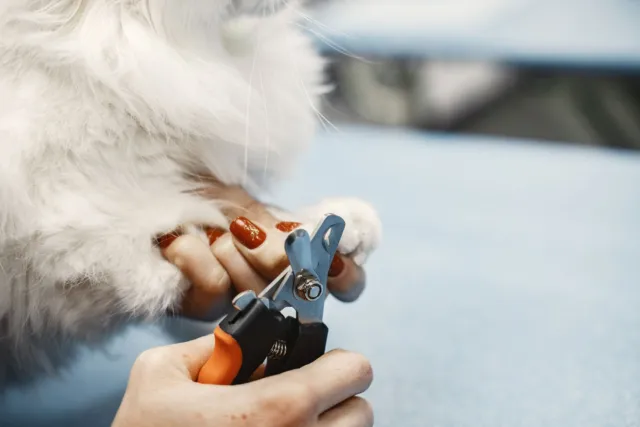
- Trim nails: Check your dog’s nails and trim them if necessary for their comfort.
Rewarding Your Dog
Make the bathing experience positive by rewarding your dog:
- Offer treats: Provide treats during and after the bath to create a positive association.
- Praise generously: Use a cheerful tone to praise your dog throughout the bathing process.
- Playtime: Consider a fun play session or a walk as a reward after bath time.
Monitoring for Skin Issues
After bathing, keep an eye on your dog’s skin for any adverse reactions:
- Check for redness: Look for any redness or irritation that may indicate a reaction to the shampoo.
- Watch for itching: If your dog starts scratching excessively, consult your veterinarian.
- Maintain a routine: Regular baths can help you monitor your dog’s skin condition over time.

Choosing the Right Shampoo for Your Dog
Understanding Dog Skin and Coat Types
Before selecting a shampoo for your pet, it is crucial to understand their specific skin and coat type. Dogs come in various breeds, each with unique characteristics. For instance, a dog with a thick double coat, like a Siberian Husky, requires a different shampoo than a dog with a short, smooth coat, such as a Beagle. Additionally, dogs with sensitive skin or allergies may benefit from hypoallergenic formulas that are free from harsh chemicals.
Consider consulting your veterinarian if your dog has any skin conditions. They can recommend specialized shampoos that cater to your dog’s unique needs. Always read labels carefully, ensuring the product is appropriate for your dog’s age and breed.
Ingredients to Look For
When choosing a dog shampoo, it is essential to pay attention to the ingredients. Natural ingredients such as oatmeal, aloe vera, and coconut oil are often beneficial for dogs’ skin. They can help moisturize and soothe irritated skin. Avoid shampoos with sulfates, parabens, or artificial fragrances, as these can cause irritation or allergic reactions.
- Oatmeal: Soothes itchy skin
- Aloe Vera: Provides hydration and healing properties
- Coconut Oil: Moisturizes and nourishes the skin
- Tea Tree Oil: Natural antifungal and antibacterial properties (use with caution)
Be mindful of the concentration of these ingredients, as some may be more effective at lower concentrations. If in doubt, your vet can guide you on the best choice for your dog.
Tools and Accessories for Bathing
Essential Bathing Tools
Having the right tools can make the process of bathing your dog much smoother and more enjoyable for both of you. Here are some essential items to have on hand:
- Non-slip mat: To prevent slipping in the tub or shower
- Shower spray attachment: For easier rinsing
- Brush: To remove loose fur and detangle before the bath
- Dog towels: For drying after the bath
- Bathing gloves: For gentle scrubbing and massaging
A non-slip mat is particularly important, especially for larger dogs, as it can help them feel secure during the wash. A shower spray attachment can make rinsing much easier compared to a cup or bucket, allowing for a steady flow of water without overwhelming your pet.
Optional Accessories for a More Enjoyable Experience
Besides the essentials, there are several optional accessories that can enhance the bathing experience. A dog shower sprayer can help target hard-to-reach areas and make rinsing faster. Additionally, a grooming tool with a built-in massage feature can help relax your dog, making them more comfortable during bath time.
Another helpful accessory is a bathrobe designed for dogs. These can help keep your dog warm and cozy after their bath, especially in cooler weather. Treats can also be a great addition, rewarding your dog for good behavior throughout the bathing process.
Bathing Frequency and Seasonal Considerations
How Often Should You Bathe Your Dog?
The frequency of bathing your dog can vary based on several factors, including breed, activity level, and skin condition. Generally, most dogs benefit from a bath every four to six weeks. However, certain breeds, particularly those with oily coats like Basset Hounds, may require more frequent washing. In contrast, dogs with dry skin might only need a bath every few months.
For active dogs that enjoy outdoor adventures, more frequent bathing may be necessary to keep their coat clean and free of dirt and debris. Always monitor your dog’s skin condition; if you notice excessive dryness or irritation, consult your vet about adjusting their bathing schedule.
Seasonal Considerations
Seasonal changes can also influence when and how often you should bathe your dog. During the spring and summer months, when dogs are more likely to be outdoors and exposed to allergens like pollen and insects, more frequent baths may help alleviate skin irritations. Conversely, in winter, with colder temperatures and dry indoor air, reducing the frequency of baths can help maintain your dog’s natural oils and prevent skin dryness.
In addition to seasonal changes, be aware of activities that may necessitate a bath, such as trips to the beach or park. Be proactive in managing your dog’s cleanliness to keep them healthy and happy.
Frequently Asked Questions
How often should I bathe my dog?
The frequency of bathing depends on your dog’s breed, coat type, and lifestyle. Generally, most dogs benefit from a bath every 4 to 6 weeks, but some may require more frequent baths, especially if they are active or have skin conditions. Always consider your veterinarian’s advice for specific needs.
Can I use human shampoo on my dog?
No, human shampoos can be too harsh for a dog’s skin and may cause irritation. It is crucial to use a shampoo formulated specifically for dogs to ensure their skin health and comfort.
What should I do if my dog hates baths?
If your dog dislikes baths, gradual desensitization may help. Start by introducing your dog to the bathing area without water, offering treats and praise. Slowly introduce water, using a gentle approach. Patience and positive reinforcement can make bath time more enjoyable.
What if my dog has a skin condition?
If your dog has a skin condition, consult your veterinarian before bathing. They may recommend specific medicated shampoos or a different bathing routine to address the condition effectively.
The Bottom Line
Bathing your dog at home can be a straightforward task if approached with the right preparations and techniques. By gathering your supplies, choosing a suitable location, and following proper bathing methods, you can maintain your dog’s hygiene while strengthening your bond. Remember that patience and positive reinforcement are key to making the experience enjoyable for both you and your dog.
Was this article helpful?

Writer at Mad4Pets. Lifelong animal lover who turns research and vet guidance into practical tips for everyday pet parents.