Effective Strategies to Stop a Puppy From Chewing Furniture
Discover effective strategies to stop a puppy from chewing furniture with our comprehensive guide tailored for pet owners.

Key takeaways
- Understand why puppies chew furniture.
- Provide alternatives to satisfy chewing instincts.
- Use training techniques to redirect behavior.
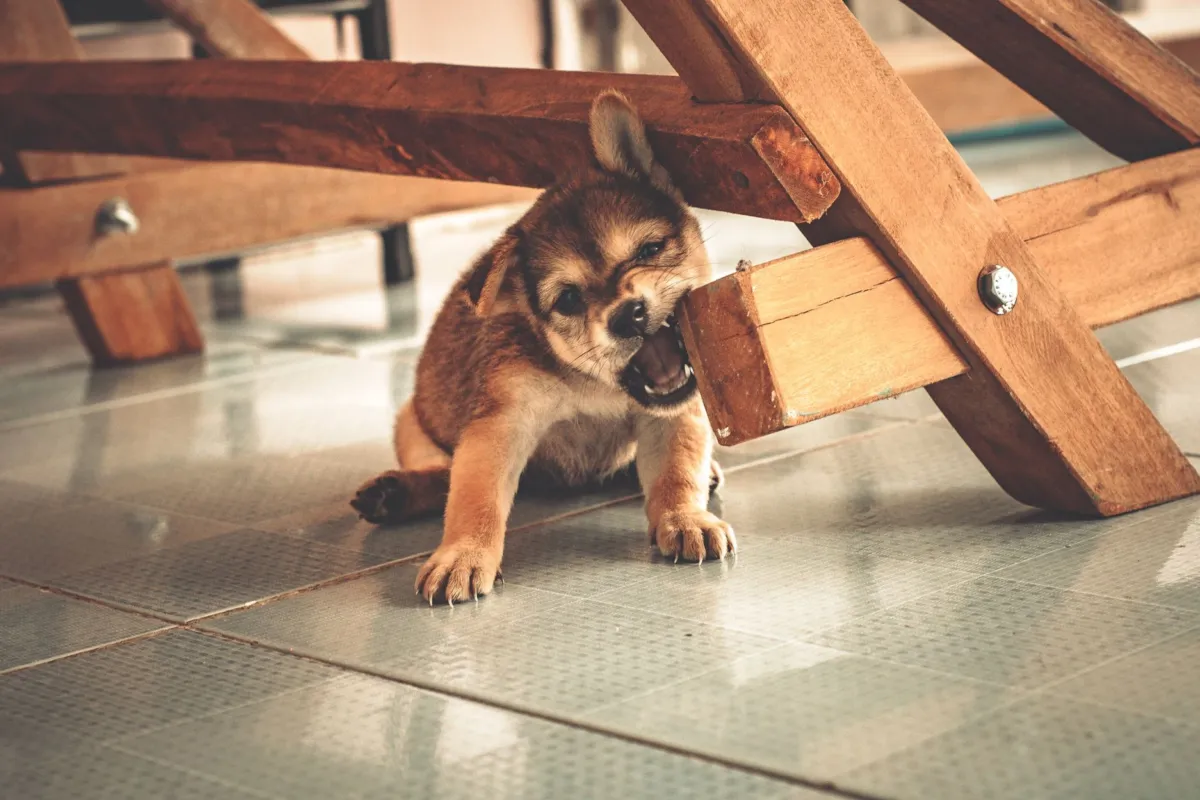
Bringing a puppy into your home is an exciting time filled with joy, cuddles, and lots of playful moments. However, this stage also comes with its challenges, one of the most common being destructive chewing. Many new puppy owners find themselves frustrated when their furry friend decides that the couch, shoes, or even the dining table legs are suitable chew toys. Understanding how to stop a puppy from chewing furniture is essential for maintaining a harmonious household.
Puppies explore the world through their mouths, which is a natural behavior. It is critical to recognize that chewing is not merely a nuisance; it is a way for them to relieve teething pain, alleviate boredom, and satisfy their innate curiosity. By providing appropriate outlets for this behavior, you can protect your belongings while ensuring your puppy remains happy and healthy.
This guide will explore effective strategies to redirect your puppy’s chewing habits, offering practical advice that can help foster a peaceful cohabitation with your new pet.
Understanding Why Puppies Chew
Before tackling the problem of chewing, it is essential to understand the reasons behind this behavior. Puppies chew for several fundamental reasons, including:
- Teething: Just like human babies, puppies go through a teething phase. This typically occurs between three to six months of age when their baby teeth fall out, and their adult teeth emerge. Chewing can relieve the discomfort associated with teething.
- Exploration: Puppies use their mouths to explore the environment. Chewing helps them learn about their surroundings, which can include everything from furniture to household items.
- Boredom: If a puppy does not receive adequate mental and physical stimulation, they may resort to chewing as a way to entertain themselves. This is especially true for active breeds that require vigorous exercise.
- Anxiety: Some puppies may chew due to separation anxiety or stress. This behavior can serve as a coping mechanism in response to feelings of insecurity.
Understanding these motivations is crucial in addressing the behavior effectively. By recognizing why your puppy chews, you can tailor your approach to meet their needs.
Providing Appropriate Chewing Alternatives
One of the most effective ways to stop a puppy from chewing furniture is to provide them with appropriate alternatives. This approach satisfies their natural chewing instincts without damaging your belongings. Here are some options to consider:
- Chew Toys: Invest in a variety of chew toys made from different materials, such as rubber, rope, or plush. Interactive toys that dispense treats can also engage your puppy and keep them occupied.
- Frozen Treats: To alleviate teething discomfort, consider freezing some of your puppy’s toys or providing frozen treats like ice cubes made from chicken broth. This not only relieves pain but also provides a tasty distraction.
- Edible Chews: Look for safe, digestible chews specifically designed for puppies. These can satisfy their chewing urge while providing nutritional benefits.
- DIY Options: Creating homemade toys using old socks or towels can be a cost-effective way to provide your puppy with something to chew on. Just ensure they are safe and free from small parts that could be swallowed.
By offering suitable alternatives, you can redirect your puppy’s attention away from furniture and onto items meant for chewing.
Training Techniques to Redirect Chewing Behavior
Training is a fundamental aspect of managing your puppy’s behavior. Implementing consistent training techniques can help teach your puppy which items are appropriate to chew. Here are some strategies:
- Positive Reinforcement: Whenever you catch your puppy chewing on an appropriate item, praise them or offer treats. This reinforces the behavior and encourages them to continue chewing on the right things.
- Redirecting Behavior: If you catch your puppy chewing on furniture, calmly redirect them to an appropriate chew toy. Consistency is key; always guide them back to the right item.
- Using Commands: Teach your puppy basic commands like
Creating a Chew-Proof Environment
One of the most effective ways to manage your puppy’s chewing habits is to create a chew-proof environment. This means minimizing access to items that you don’t want them to chew and reinforcing positive behaviors. By controlling their environment, you can reduce the likelihood of undesirable chewing.
1. Dog-Proofing Your Home
Start by assessing your home for potential chewable hazards. Look for furniture, cords, and objects that can be easily damaged. Here are some items that should be moved out of reach or secured:
- Electrical cords
- Shoe racks
- Low tables and chairs
- Houseplants
- Trash cans
Consider using baby gates or pet barriers in areas where you want to restrict your puppy’s access. This not only protects your furniture but also helps to establish boundaries for your puppy.
2. Utilizing Deterrents
In addition to removing tempting items, you can apply deterrents to furniture and other surfaces. Many pet owners find success with sprays designed to taste unpleasant to dogs. These sprays are generally safe but should be tested in a small area first. Other deterrents include:
- Covering furniture with protective slipcovers
- Using double-sided tape on surfaces
- Employing motion-activated devices that emit sounds or sprays
Combining these deterrents with positive reinforcement for good behavior can create a balanced approach to managing your puppy’s chewing.
Engaging Your Puppy’s Mind and Body
A bored puppy is more likely to engage in destructive behaviors, including chewing furniture. Providing mental and physical stimulation is vital for a well-behaved dog. This can be achieved through various activities that engage both their mind and body.
1. Interactive Toys and Puzzles
Interactive toys and puzzles can provide hours of engagement for your puppy. These toys often require your puppy to think critically or problem-solve, which can keep them occupied and less likely to chew on furniture. Some popular options include:
- Treat-dispensing balls
- Puzzle boxes with hidden compartments
- Snuffle mats
- Kong toys stuffed with treats
By offering engaging toys, you encourage your puppy to focus their energy on positive activities rather than on chewing furniture.
2. Regular Exercise Routines
Physical exercise is essential for a puppy’s development. Regular walks, play sessions, and socialization opportunities can help burn off excess energy. Consider incorporating the following into your routine:
- Daily walks of at least 30 minutes
- Playtime with other dogs or people
- Games of fetch or tug-of-war
- Agility training sessions
By ensuring that your puppy gets sufficient exercise, you can reduce their urge to chew on furniture as an outlet for pent-up energy.
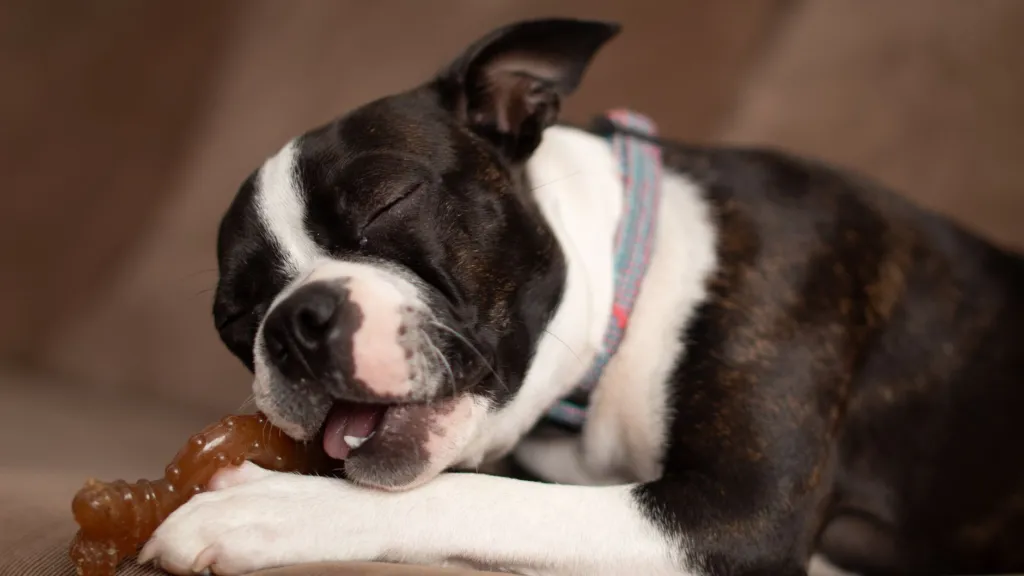
Happy Boston Terrier puppy chewing a bone toy indoors with eyes closed (Photo by Sean Brannon on Pexels) Understanding the Role of Teething
Puppies go through a teething phase, which can make them more inclined to chew on various objects. Understanding this natural process can help you manage their chewing behavior more effectively.
1. Recognizing Teething Signs
As your puppy begins to teethe, you may notice several signs that indicate discomfort. Common signs include:
- Increased chewing behavior
- Excessive drooling
- Loss of baby teeth
- Swollen gums
Being aware of these signs can help you tailor your approach to your puppy’s needs during this time. Providing relief through appropriate chew toys can help soothe their discomfort.
2. Offering Teething-Specific Chew Toys
Investing in teething-specific chew toys can provide your puppy with the relief they need. Look for toys designed to help soothe sore gums, such as:
- Rubber toys with ridges
- Frozen chew toys
- Soft fabric toys that are easy to hold
These toys can redirect your puppy’s chewing habits and provide them comfort during the teething process, reducing the likelihood that they will chew on furniture.
Implementing Positive Reinforcement Strategies
Understanding Positive Reinforcement
Positive reinforcement is a powerful tool in changing behavior in puppies. By rewarding your puppy for desirable actions, such as chewing on their toys instead of furniture, you create a more effective training environment. This method relies on providing a reward immediately after they perform the desired behavior, helping them make a connection between the action and the positive outcome.
Rewards can vary from treats to verbal praise or playtime. The key is to choose a reward that your puppy finds most motivating. For instance, some puppies may respond better to treats, while others may prefer affection or a fun game.
Steps to Implement Positive Reinforcement
- Identify the behavior you want to encourage, such as chewing on a toy.
- Choose a reward that your puppy loves.
- Observe your puppy and wait for them to engage in the desired behavior.
- Immediately reward them when they do, using the chosen reward.
- Repeat this process consistently to reinforce the behavior over time.
By consistently applying positive reinforcement, you can help your puppy learn to prefer their toys over your furniture. Remember, patience is crucial as it may take time for your puppy to fully grasp what is expected of them.
Incorporating Chew-Deterring Products
Exploring Chew-Deterring Sprays
One effective way to deter your puppy from chewing furniture is to use chew-deterring sprays. These products are designed to taste unpleasant to dogs, making them less likely to chew on treated surfaces. When choosing a spray, ensure it is safe for pets and specifically designed for this purpose.
To use these sprays effectively, clean the furniture surface thoroughly before application. Apply the spray according to the manufacturer’s instructions, covering all areas your puppy might chew. Reapply as needed, especially after cleaning or if the scent diminishes.
Utilizing Furniture Covers and Barriers
Another strategy is to physically protect your furniture with covers or barriers. Furniture covers can not only protect your belongings but also discourage your puppy from chewing. Look for durable, chew-resistant materials that can withstand puppy play.
Moreover, using barriers such as baby gates can restrict access to certain areas of your home. This will help manage your puppy’s environment while they learn what is acceptable to chew. Over time, as they become more accustomed to their designated chewing items, you can gradually increase their freedom.
Recommended Chew-Deterring Products
- Chew-proof furniture covers
- Pet-safe chew-deterring sprays
- Baby gates or playpens
- Furniture protectors made of durable materials
Implementing these chew-deterring products can significantly reduce the likelihood of your puppy turning to furniture as a chewing outlet, allowing for a more harmonious living space.
Establishing a Consistent Routine
The Importance of Structure
Establishing a consistent daily routine is essential for a puppy’s development. Puppies thrive on structure, and a routine helps them understand what is expected of them. When they know when to eat, play, and rest, they are less likely to engage in destructive behaviors, such as chewing furniture out of boredom or anxiety.
Start by setting specific times for feeding, walks, and play sessions. This predictability will help your puppy feel secure and reduce the likelihood of unwanted chewing behaviors. Consistency is key; try to maintain the same schedule every day.
Incorporating Chewing Time into the Routine
In addition to setting a schedule for other activities, it’s beneficial to include designated chewing times. This can be during play sessions or quiet time when you can supervise your puppy with their toys. Allowing your puppy to chew on appropriate items during these times will reinforce the idea that chewing is a positive activity, as long as they stick to their toys.
Sample Daily Routine for Puppies
- 7:00 AM: Wake up and go outside for potty.
- 7:30 AM: Breakfast time followed by playtime with chew toys.
- 9:00 AM: Short training session focused on basic commands.
- 10:00 AM: Nap time in a comfortable space.
- 12:00 PM: Lunch followed by a walk.
- 1:00 PM: Interactive playtime with puzzle toys to stimulate the mind.
- 3:00 PM: Quiet time with chew toys available.
- 5:00 PM: Evening play session and outdoor time.
- 7:00 PM: Dinner followed by some relaxation time.
- 9:00 PM: Wind down with cuddle time or a gentle chew session before bed.
This structured approach not only helps in managing your puppy’s chewing behavior but also fosters a strong bond between you and your pet.
Was this article helpful?

Writer at Mad4Pets. Lifelong animal lover who turns research and vet guidance into practical tips for everyday pet parents.