Why Is My Dog Drinking So Much Water? Causes Explained
If your dog is drinking so much water, it could indicate a health issue. Learn the reasons behind excessive thirst and when to consult a vet.


Key takeaways
- Increased thirst can signal health issues.
- Monitor your dog's water intake daily.
- Consult your vet for persistent excessive drinking.
- Consider environmental factors influencing thirst.
Understanding Your Dog’s Thirst
As a dog owner, you may notice your furry friend drinking more water than usual. While hydration is essential for any living being, excessive thirst can sometimes be a red flag. Understanding why your dog is drinking so much water can help you identify potential health issues early on.
Dogs, like humans, need adequate hydration to maintain their health. However, if your dog suddenly starts to drink more water, it’s crucial to pay attention to this change in behavior. This article will explore the various reasons behind increased water consumption and how to address them effectively.
In this guide, we will delve into the common causes of excessive thirst in dogs, their symptoms, and when it’s time to consult a veterinarian. By the end, you’ll have a comprehensive understanding of why your dog is drinking so much water and what steps you can take.
Common Causes of Increased Thirst
There are several reasons your dog may be drinking more water than usual. Some of these reasons are benign, while others may indicate underlying health conditions. Below, we explore some of the most common causes:
1. Environmental Factors
Sometimes, external factors can influence your dog’s thirst. It’s important to consider the following:
- Hot Weather: In warmer climates or during the summer months, dogs will drink more water to stay hydrated. Ensure your dog has constant access to fresh water, especially during outdoor activities.
- Increased Activity: If your dog has been more active than usual, such as during playtime or walks, their water consumption may rise. Dogs often drink more after exercise to replenish lost fluids.
- Diet Changes: A switch to dry food can also increase thirst. Dry kibble contains less moisture than wet food, prompting dogs to drink more water.
2. Medical Conditions
If environmental factors don’t explain your dog’s excessive drinking, it may be time to consider medical conditions that could be at play. Here are a few to look out for:
- Diabetes Mellitus: This condition leads to high blood sugar levels, resulting in increased thirst and urination. Dogs with diabetes may also show signs of weight loss, increased appetite, and lethargy.
- Cushing’s Disease: This hormonal disorder causes the adrenal glands to produce excess cortisol. Symptoms include increased thirst, frequent urination, increased appetite, and a potbellied appearance.
- Kidney Disease: Kidney issues can impair your dog’s ability to concentrate urine, leading to increased thirst and urination. Other signs may include weight loss, decreased appetite, and vomiting.
- Urinary Tract Infections: UTIs can cause dogs to drink more water due to discomfort and frequent urination. Look for signs like straining to urinate and blood in the urine.
3. Medications
Certain medications can also lead to increased thirst in dogs. If your dog is on medication, consult your veterinarian about potential side effects:
- Corticosteroids: Medications like prednisone can cause increased thirst and urination as a side effect.
- Diuretics: These medications, often used to treat heart conditions, can lead to increased urination and thirst.
- Antihistamines: Some antihistamines can cause dry mouth, prompting dogs to drink more water.
Monitoring Your Dog’s Water Intake
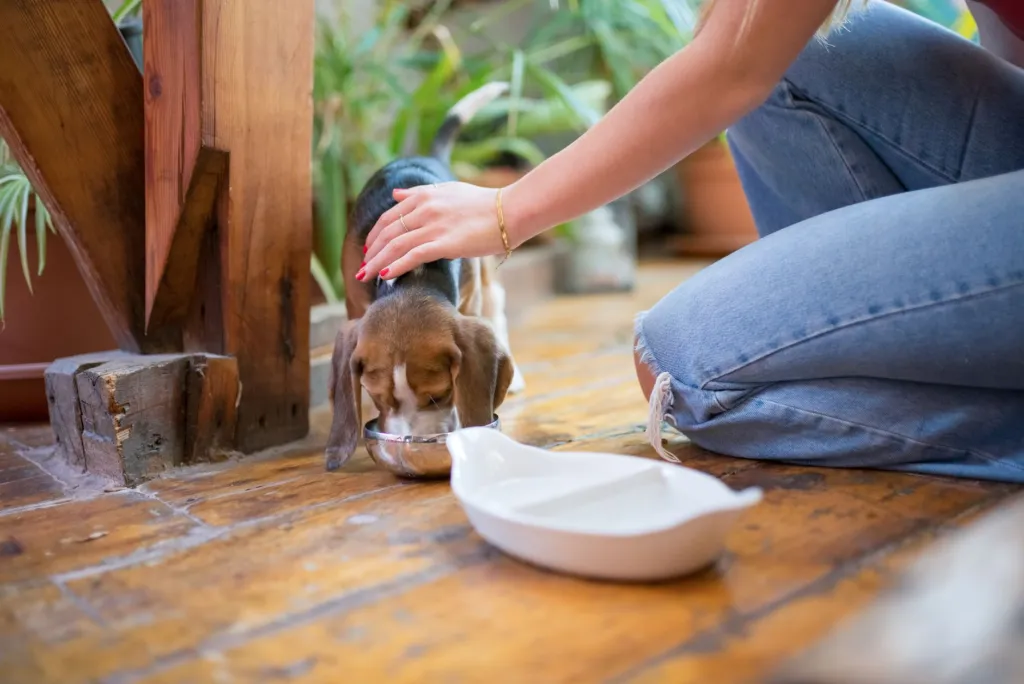
Keeping track of your dog’s water consumption is essential in understanding their health. Here are some practical tips to help you monitor their intake:
1. Measure Water Consumption
To accurately gauge your dog’s water intake, follow these steps:
- Use a Measuring Cup: Fill your dog’s water bowl with a measured amount of water each time. This way, you can easily determine how much they drink daily.
- Track Changes: Keep a record of how much water your dog consumes over several days. Look for patterns or sudden increases in intake.
- Compare with Vet Recommendations: A general guideline is that dogs should drink about 1 ounce of water per pound of body weight daily. Compare your dog’s consumption with this rule of thumb.
2. Observe Behavior
In addition to measuring water intake, pay attention to other behaviors:
- Urination Frequency: Take note of how often your dog needs to urinate. Increased urination can accompany excessive drinking.
- Changes in Appetite: Monitor your dog’s eating habits. A sudden increase or decrease can indicate health issues.
- Energy Levels: Is your dog more lethargic than usual? Changes in energy can also be a sign of illness.
3. Consult Your Veterinarian
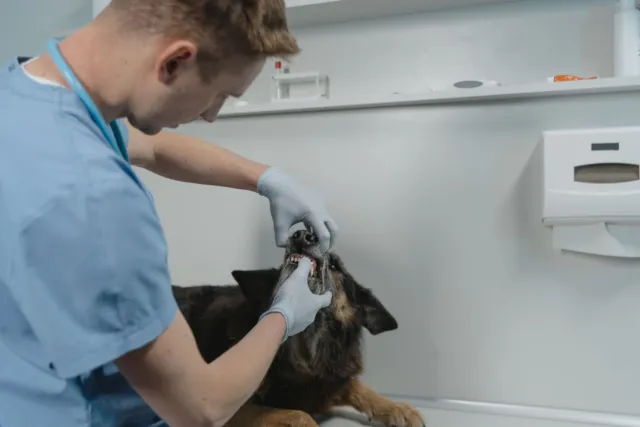
If you notice a significant increase in your dog’s water intake or other concerning symptoms, it’s time to consult your veterinarian. They can perform tests to diagnose potential health issues.
Health Conditions Linked to Excessive Thirst
Understanding the health conditions that may lead to excessive thirst can help you take proactive steps for your dog’s well-being. Below is a detailed overview of some common diseases:
| Condition | Symptoms | Treatment |
|---|---|---|
| Diabetes Mellitus | Increased thirst, frequent urination, weight loss | Insulin therapy, dietary management |
| Cushing’s Disease | Increased thirst, increased appetite, potbellied appearance | Medications, surgery (in some cases) |
| Kidney Disease | Increased thirst, weight loss, vomiting | Dietary management, medications |
| Urinary Tract Infections | Frequent urination, straining, blood in urine | Antibiotics, increased fluid intake |
When to Seek Veterinary Care
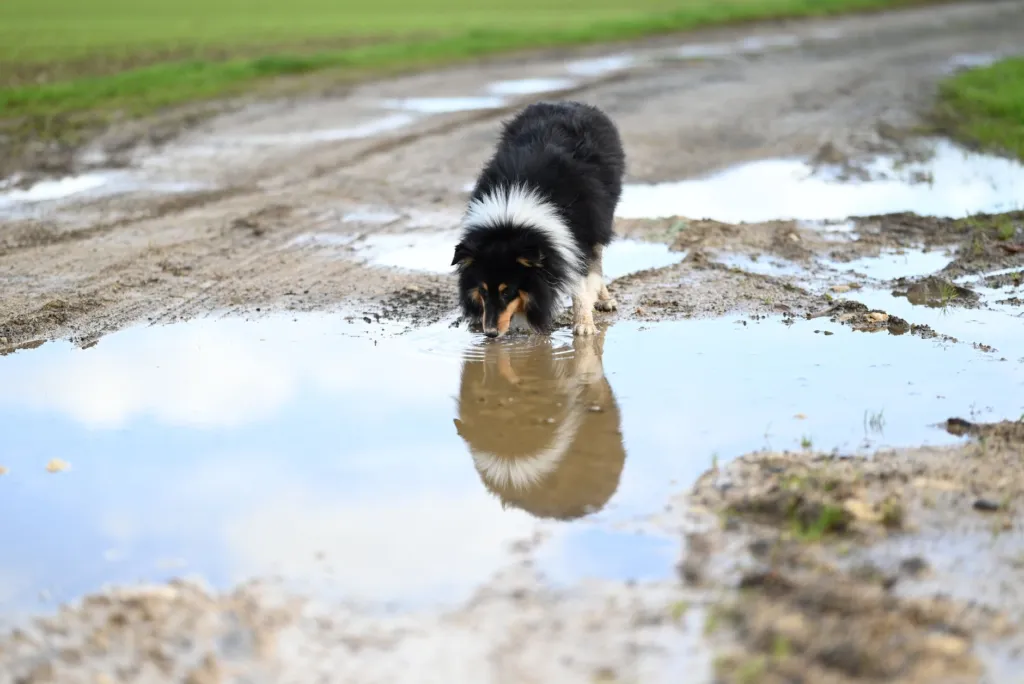
While hydration is vital, there are specific situations where increased thirst warrants immediate veterinary attention. Here are some signs to watch for:
1. Sudden Onset of Excessive Thirst
If your dog suddenly starts drinking much more water than usual, it’s essential to consult your veterinarian. Sudden changes can indicate serious underlying health issues.
2. Accompanying Symptoms
Look for other concerning signs such as:
- Vomiting
- Diarrhea
- Weight loss
- Changes in appetite
- Lethargy or decreased activity
These symptoms, combined with excessive thirst, could point to a significant health problem.
3. Age and Breed Considerations
Older dogs or certain breeds may be more susceptible to specific health conditions that cause increased thirst. Discuss your concerns with your vet, especially if your dog is aging or belongs to a breed prone to health issues.
Dietary Influences on Thirst
Dry Food vs. Wet Food
The type of food your dog consumes can significantly impact their hydration levels. Dry dog food, or kibble, typically has a moisture content of around 10%. In contrast, wet dog food contains about 75% moisture, which contributes to your pet’s overall water intake.
If your dog is primarily eating dry kibble, they may need to drink more water to compensate for the lower moisture content in their diet. Transitioning to a wet food diet can help reduce their overall water consumption while still keeping them hydrated. However, any changes to your dog’s diet should be gradual and monitored closely for any adverse reactions.
- Assess the moisture content of your dog’s current food.
- Consider mixing wet food with dry food to balance moisture intake.
- Consult your veterinarian when changing your dog’s diet.
High-Sodium Diets
Another factor influencing your dog’s thirst is the sodium content in their diet. Foods high in sodium can lead to increased thirst as your dog tries to balance their electrolyte levels. Some commercial dog foods, especially those designed for weight management or certain flavors, may contain higher sodium levels.
It’s essential to read the ingredient labels carefully and avoid products with excessive sodium. In addition to commercial dog foods, be cautious with human foods that are often high in salt, such as processed meats, snacks, and fast food. Always prioritize a balanced diet that meets your dog’s nutritional needs without excess salt.
- Check ingredient labels for sodium content.
- Limit high-sodium human foods in your dog’s diet.
- Consult your veterinarian for dietary recommendations.
Impact of Treats
The treats you give your dog can also contribute to their overall water intake. Many commercial treats, especially those that are crunchy or dehydrated, may not provide enough moisture. These treats can lead to increased thirst, especially if given in large amounts.
Consider selecting treats that have a higher moisture content, such as fresh fruits or vegetables that are safe for dogs. Additionally, be mindful of how many treats you are giving your dog, as this can add to their daily caloric intake and affect their overall health.
- Choose moist treats like carrots, apples, or pumpkin.
- Limit high-calorie or dry treats.
- Monitor how many treats you give daily to maintain a balanced diet.

Behavioral Reasons for Increased Thirst
Stress and Anxiety
Just like humans, dogs can experience stress and anxiety, which may manifest in increased thirst. Changes in environment, routine, or the introduction of new pets can lead to anxiety in dogs. When anxious, your dog may drink more water as a coping mechanism.
Identifying the source of stress is crucial. Look for triggers such as loud noises, separation from their owner, or changes in the household. Providing a safe and comfortable space can help reduce anxiety-related behaviors, including excessive drinking.
- Monitor for signs of stress, such as pacing or whining.
- Establish a consistent routine to help your dog feel secure.
- Create a safe space for your dog to relax during stressful situations.
Exercise and Activity Level
Your dog’s activity level can also influence their thirst. More active dogs, especially those that engage in vigorous exercise, will naturally require more water to stay hydrated. Increased activity leads to fluid loss through panting and sweating, necessitating a higher water intake.
Consider your dog’s daily exercise routine and adjust their water supply accordingly. After vigorous play or exercise, ensure that fresh, clean water is readily available. This will help your dog replenish lost fluids and maintain proper hydration.
- Monitor your dog’s activity level and adjust water intake.
- Always provide water after exercise.
- Encourage regular breaks during playtime to hydrate.
Habitual Drinking Patterns
Some dogs develop habitual drinking patterns that can lead to increased water consumption. This behavior can stem from boredom, habit, or learned behaviors from other pets. If your dog has access to water throughout the day, they may drink more simply because they can.
To manage this, observe your dog’s drinking habits and consider implementing a schedule for water access. This can help regulate their intake while ensuring they are still adequately hydrated. If your dog has developed a habit of excessive drinking, adjusting their environment may also be necessary.
- Observe your dog’s drinking habits closely.
- Implement a schedule for water access if necessary.
- Engage your dog with toys or activities to reduce boredom-related drinking.
Environmental Factors Affecting Thirst
Climate and Weather Conditions
The climate and weather conditions can significantly impact your dog’s thirst. Hot and humid weather can lead to increased panting and fluid loss, prompting your dog to drink more water. During the summer months or in warm climates, it is especially important to monitor your dog’s hydration levels.
Ensure that your dog has constant access to fresh water, especially during outdoor activities. Providing shade and a cool area for your dog to rest can also alleviate excessive thirst caused by heat.
- Always provide fresh water on hot days.
- Create shaded areas for your dog to escape the heat.
- Limit outdoor activities during peak heat hours.
Indoor Environment
The condition of your indoor environment can also affect your dog’s thirst. Dry air, particularly in winter months due to heating, can lead to dehydration and increased drinking. If your home is heated or air-conditioned, consider using a humidifier to help maintain optimal humidity levels.
Additionally, ensure that your dog’s water bowl is clean and filled at all times. A dirty or empty bowl may deter them from drinking enough, leading to dehydration.
- Use a humidifier during dry months.
- Regularly clean your dog’s water bowl.
- Ensure fresh water is available at all times.
Seasonal Changes
Seasonal changes can also influence your dog’s thirst and overall water needs. For example, during the spring and summer, when temperatures rise, dogs may require more water to stay hydrated. Conversely, during colder months, their water needs may decrease.
It’s important to adjust your dog’s water intake according to the seasons and monitor for signs of dehydration. Maintain a consistent routine for providing water and adjust as needed based on weather conditions and seasonal changes.
- Monitor changes in water needs with seasonal shifts.
- Adjust water offerings based on temperature and humidity.
- Be attentive to signs of dehydration during hot weather.
Frequently Asked Questions
Why is my dog drinking so much water at night?
Increased thirst during the night can be due to several factors, including dietary changes, health conditions, or even behavioral issues. If this persists, consult your veterinarian.
What are the signs of dehydration in dogs?
Signs of dehydration include dry gums, lethargy, loss of skin elasticity, and increased heart rate. If you notice these signs, ensure your dog has access to water and consult your vet.
Can my dog drink too much water?
Yes, dogs can drink too much water, leading to a rare but serious condition called water intoxication. Symptoms include vomiting, bloating, and confusion. If you suspect your dog has consumed excessive water, contact your veterinarian immediately.
How can I encourage my dog to drink more water?
If your dog is not drinking enough, try offering fresh water frequently, using a water fountain, or adding wet food to their diet to increase moisture intake.
The Bottom Line
Excessive thirst in dogs can be caused by various factors, ranging from environmental influences to serious health conditions. It’s important for dog owners to monitor their pet’s water intake and observe any changes in behavior. If you notice significant increases in thirst, consult your veterinarian to rule out underlying health issues. Staying proactive can help ensure your dog remains healthy and hydrated.
Was this article helpful?

Writer at Mad4Pets. Lifelong animal lover who turns research and vet guidance into practical tips for everyday pet parents.