12 Signs Your Dog Is Happy (and a Few Signals People Misread)
Learn to read your dog's body language, from the happy wag and play bow to the subtle stress signals that are easy to miss.

Key takeaways
- A relaxed, loose body and soft face are the clearest signs of a happy dog.
- Tail wags need context: loose and wide is friendly, high and stiff can mean tension.
- Sudden changes in appetite, sleep or play can signal stress or illness.
- The "guilty" look is appeasement, not guilt.
Dogs cannot tell us in words how they feel, but they are constantly communicating through their bodies, voices and behavior. Learning to read those signals is one of the best things you can do as a dog owner. It helps you spot when your dog is content, when they are worried, and when something might be wrong with their health.
Below are twelve of the most reliable signs of a happy dog, what each one looks like, and a few common signals that are often misunderstood. Remember that no single sign tells the whole story. Always look at the whole dog, the situation and what is normal for your individual pet.
1. A Relaxed, Loose Body
A happy dog’s body looks soft and wiggly rather than stiff. Their weight is evenly distributed, the muscles are not tense, and they move fluidly. When they are resting, a content dog may sprawl out, lie on their side or even flop onto their back with legs in the air. That belly-up position exposes the most vulnerable part of the body, so it usually means your dog feels very safe.
Compare this with a tense dog, who may freeze, lean away, tuck the tail, hold the body low or stand very upright and still. Stiffness is one of the clearest signs that a dog is uncomfortable, anxious or aroused.
2. A Soft Face and Relaxed Mouth
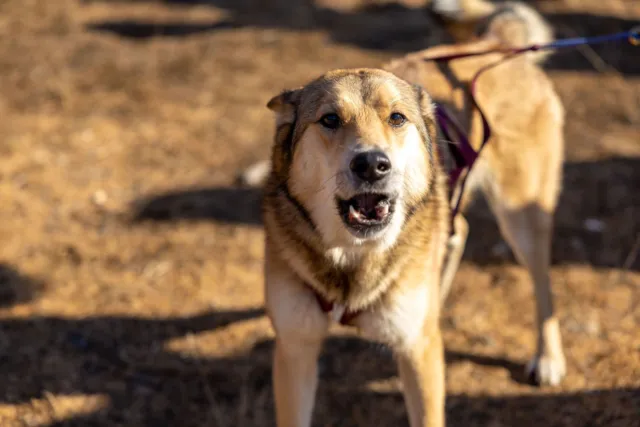
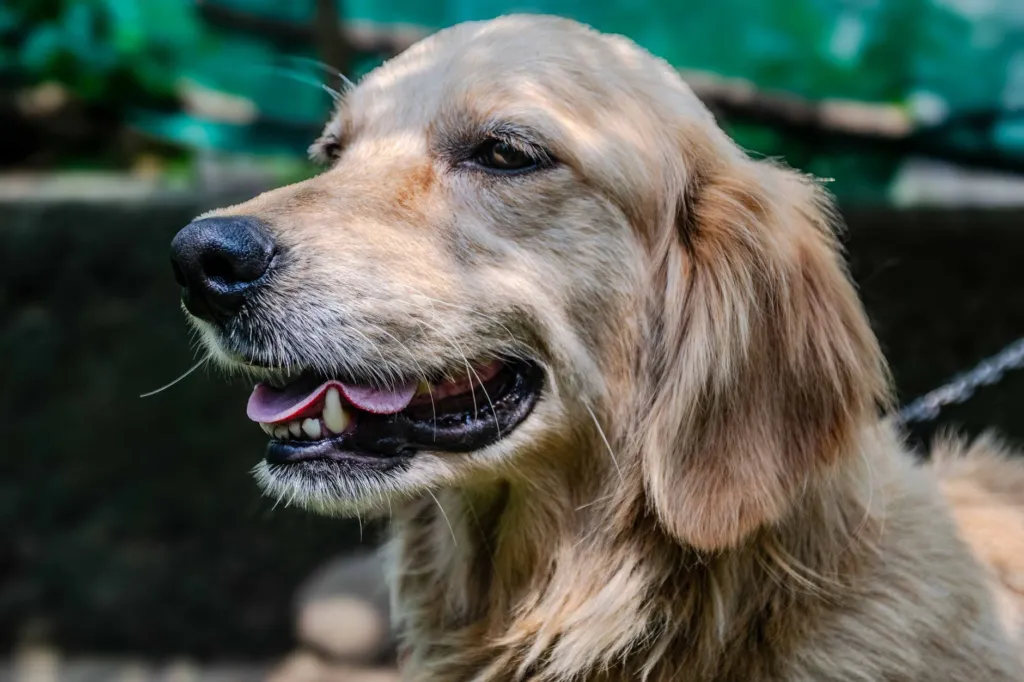
Look at your dog’s face. A relaxed dog often has a slightly open mouth, sometimes with the tongue lolling out, and smooth facial muscles. Many owners describe this as a “smile.” The eyes look soft and normal in shape, and the forehead is not wrinkled with tension.
A stressed dog, by contrast, may have a tightly closed mouth, pulled-back lips, a furrowed brow, or show the whites of the eyes (often called “whale eye”). Lip licking and yawning outside of tiredness can also be signs of mild stress.
3. The Happy Tail Wag
Everyone knows a wagging tail can mean happiness, but it is more nuanced than that. A happy wag is usually loose and wide, often at mid-height, and may involve the whole back end, sometimes described as a “helicopter” wag or full-body wiggle. Researchers have even observed that dogs tend to wag more to the right when they see something they like, and more to the left when they see something that worries them, although this is subtle and hard to see at home.
A tail held high and stiff with a fast, tight wag can signal arousal or tension rather than friendliness. A low, tucked tail usually indicates fear or submission. Always read the tail alongside the rest of the body.
4. Relaxed or Neutral Ears
Ear positions vary hugely between breeds, from the upright ears of a German Shepherd to the long drop ears of a Basset Hound. In general, a happy dog’s ears sit in their natural resting position. They may perk forward with interest when something catches their attention, then relax again. Ears pinned flat back against the head often signal fear or appeasement, though some dogs also do this briefly during an excited greeting.
5. Playful Behavior and the Play Bow
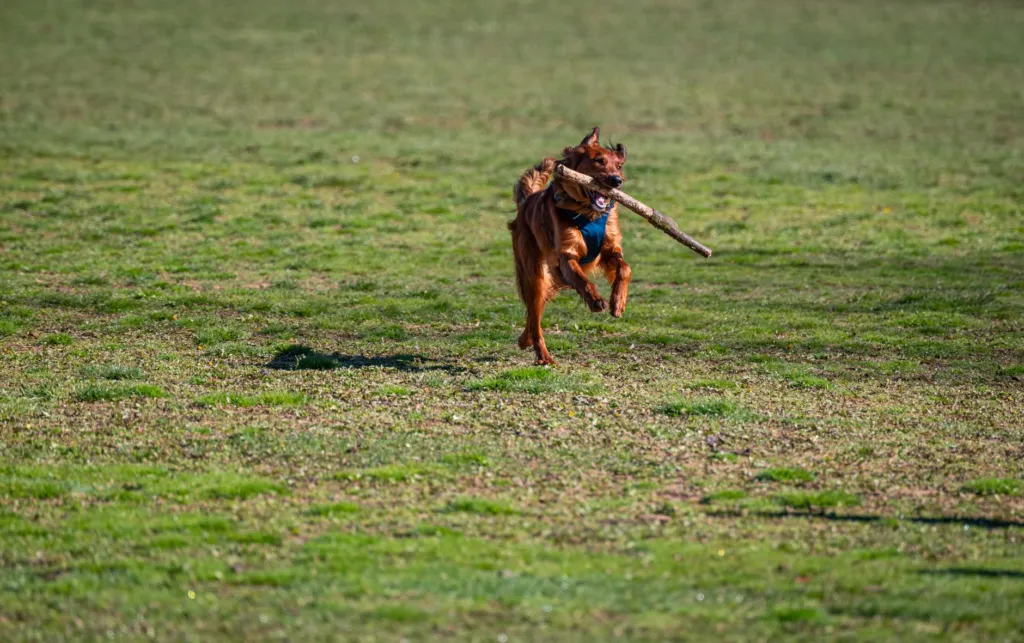
The play bow, where a dog lowers the front half of the body with elbows on the ground and rump in the air, is one of the most recognizable invitations to play. Happy dogs also bounce, spin, do zoomies (the delightful bursts of frantic running also called frenetic random activity periods), bring you toys and engage in games of chase or tug.
A desire to play is a strong indicator of wellbeing. Dogs who are in pain, unwell or anxious often lose interest in play, so a sudden drop in playfulness is worth noticing.
6. Good Appetite
Content, healthy dogs usually show interest in their food and eat with enthusiasm. Of course appetite varies between individuals, and some dogs are naturally picky. What matters most is changes from your dog’s normal. A dog who suddenly stops eating, or begins eating far more than usual, may be stressed or unwell and should be checked by a vet if it persists beyond a day or so.
7. Healthy Sleep Patterns
Adult dogs sleep a lot, often 12 to 14 hours a day, and puppies and seniors even more. A happy, well-exercised dog settles easily and sleeps deeply. Restlessness, difficulty settling, pacing at night or sleeping far more than usual can all point to discomfort, anxiety, boredom or illness.
8. They Seek Your Company
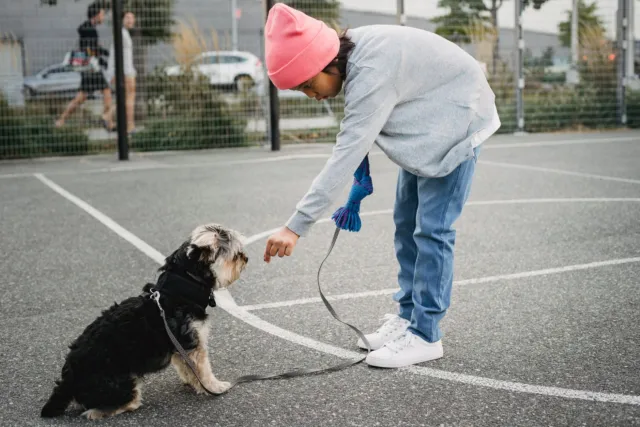
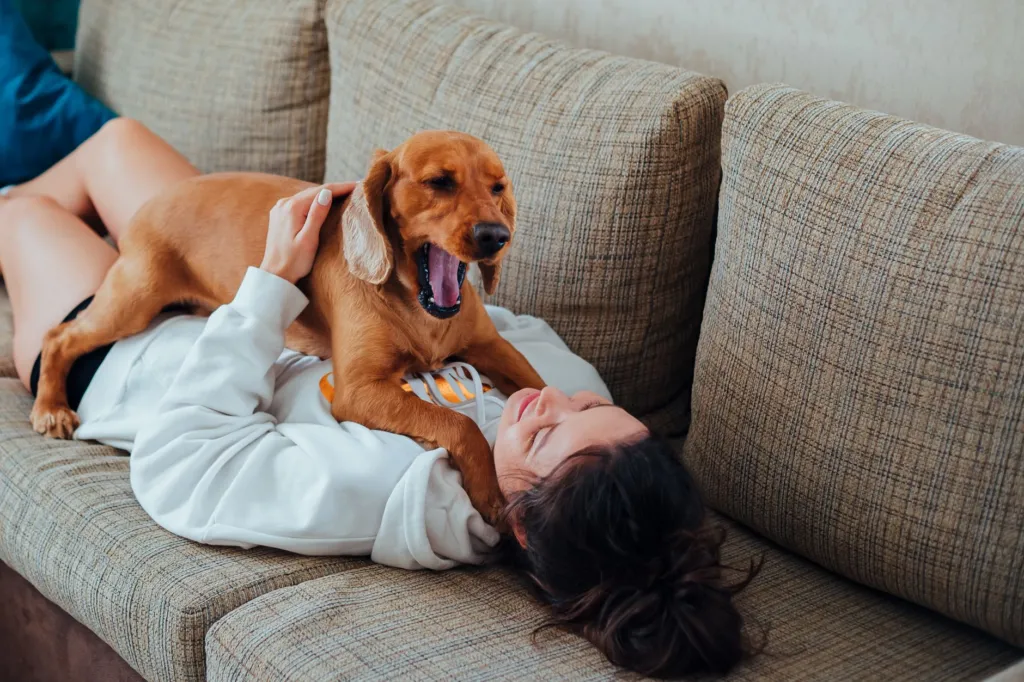
Happy dogs enjoy being near their people. They may follow you from room to room, lean against your legs, rest their head on your lap or curl up nearby while you work. Many dogs greet their owners with obvious delight when they come home, with wiggles, soft vocalizations and fetched toys. Research using brain imaging has found that dogs’ reward centers respond to the scent of familiar humans, which supports what owners already feel: our dogs genuinely value our company.
9. Soft Eye Contact
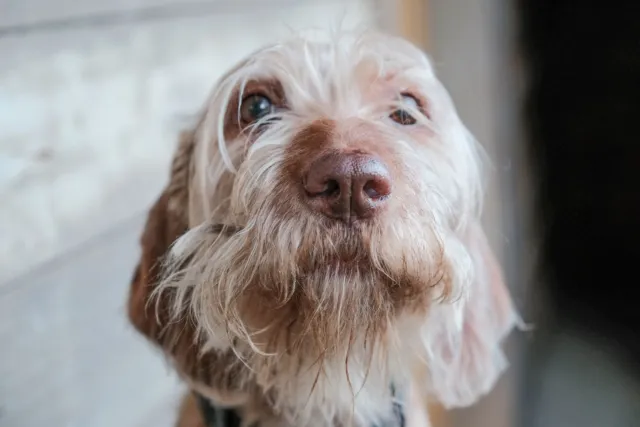
A relaxed gaze with soft, blinking eyes is a sign of trust. Studies have found that when dogs and their owners gaze at each other affectionately, both can experience a rise in oxytocin, a hormone associated with bonding. Hard, fixed staring is different and can be a warning signal, particularly toward an unfamiliar dog or person.
10. Good Behavior at Home
Dogs who have their physical, mental and social needs met are usually easier to live with. Destructive chewing, constant barking and other problem behaviors are often signs of boredom, frustration or anxiety. If your dog is generally calm at home, settles when you are busy and enjoys their toys appropriately, it is a good indication that their needs are being met.
11. Happy Vocalizations
Dogs communicate with a wide range of sounds. Happy ones include short, high-pitched barks during play, soft contented sighs when settling down, and the playful “talking” or grumbling some breeds, like Huskies, are famous for. A long exhale while lying down is usually a sign of relaxation. Context matters, though: the same bark can mean excitement or frustration depending on what is happening.
12. Enjoying Walks and New Experiences
A happy, confident dog approaches walks, car rides and new places with curiosity. They sniff around, explore and bounce back quickly from minor surprises. Nervous dogs, on the other hand, may freeze, pull to go home, or show stress signals like panting, yawning and trembling when faced with new situations.
How Breed and Body Shape Affect Body Language
Reading dog body language is easier with some breeds than others. Selective breeding has changed many of the physical features dogs use to communicate, so it is worth learning the quirks of your own dog’s type.
- Curled or docked tails: Breeds like Pugs, Akitas and Shiba Inus carry their tails curled over the back, and some dogs have docked or naturally short tails. Watch for subtle movement at the base of the tail and rely more on the face and overall posture.
- Heavy coats: Thick fur on breeds such as Chow Chows, Old English Sheepdogs and Samoyeds can hide raised hackles and muscle tension. Pay close attention to movement, speed and the eyes.
- Flat faces: Short-nosed breeds have less mobile facial features and may pant or breathe noisily even when relaxed, which can make stress panting harder to spot.
- Drop ears: Long, heavy ears on Spaniels and Hounds move less dramatically. Look at the base of the ear, which lifts when the dog is alert and pulls back when worried.
- Naturally intense breeds: Herding breeds may stare and stalk as part of normal play, which can be misread by other dogs. Knowing this helps you manage play sessions.
Happiness Through the Life Stages
Happy Puppies
Content puppies are curious, playful and quick to recover from small surprises. They explore with their mouths, pounce on toys and fall asleep suddenly after bursts of activity. Positive early experiences with gentle handling, new sounds, surfaces and friendly people shape a confident adult, so make socialization fun and never force a frightened puppy forward.
Happy Adults
Adult dogs show happiness through steady routines, enthusiasm for walks and games, and relaxed downtime. This is the stage where your dog’s personality is most settled, so it is the ideal time to learn what “normal” looks like for them. Take mental notes of their usual appetite, energy and sleeping positions.
Happy Seniors
Older dogs may play less vigorously, but they still enjoy gentle games, sniff walks, food puzzles and plenty of affection. Comfort becomes more important: orthopedic beds, non-slip rugs, ramps and a predictable day help seniors feel secure. Watch for signs of pain or cognitive change, such as confusion, night-time restlessness or getting stuck in corners, and discuss them with your vet.
Signs That Are Often Misunderstood
The “Guilty” Look
When a dog lowers their head, avoids eye contact and tucks their tail after an accident, owners often think they look guilty. Research suggests this look is more a response to the owner’s body language and tone than an understanding of wrongdoing. Your dog is trying to calm you down, not apologizing.
Yawning
Dogs yawn when tired, but also when stressed or conflicted, such as at the vet or when being hugged tightly. If your dog yawns repeatedly in a situation that is not about sleep, they may be feeling uneasy.
Licking
Licking can be affectionate, but it can also be appeasing, attention seeking or a sign of anxiety. Constant licking of their own paws or body can indicate allergies, skin problems or stress, and is worth a vet check.
Belly Up
Rolling over can be an invitation for a belly rub, or it can be a way of appeasing a perceived threat. A relaxed belly-up dog is loose and wiggly; an appeasing dog may be stiff, with tail tucked and lips pulled back. Let the dog tell you whether they want contact.
How to Make Your Dog Even Happier
If you want to boost your dog’s wellbeing, focus on these fundamentals:
- Daily exercise suited to their breed, age and health.
- Mental enrichment such as sniff walks, puzzle toys and training games.
- Positive reinforcement training that builds trust and confidence.
- A predictable routine for meals, walks and sleep.
- Social time with you, and with friendly dogs if your dog enjoys it.
- Comfort, including a cozy bed and a quiet retreat space.
- Preventive health care including vaccines, parasite control and dental care.
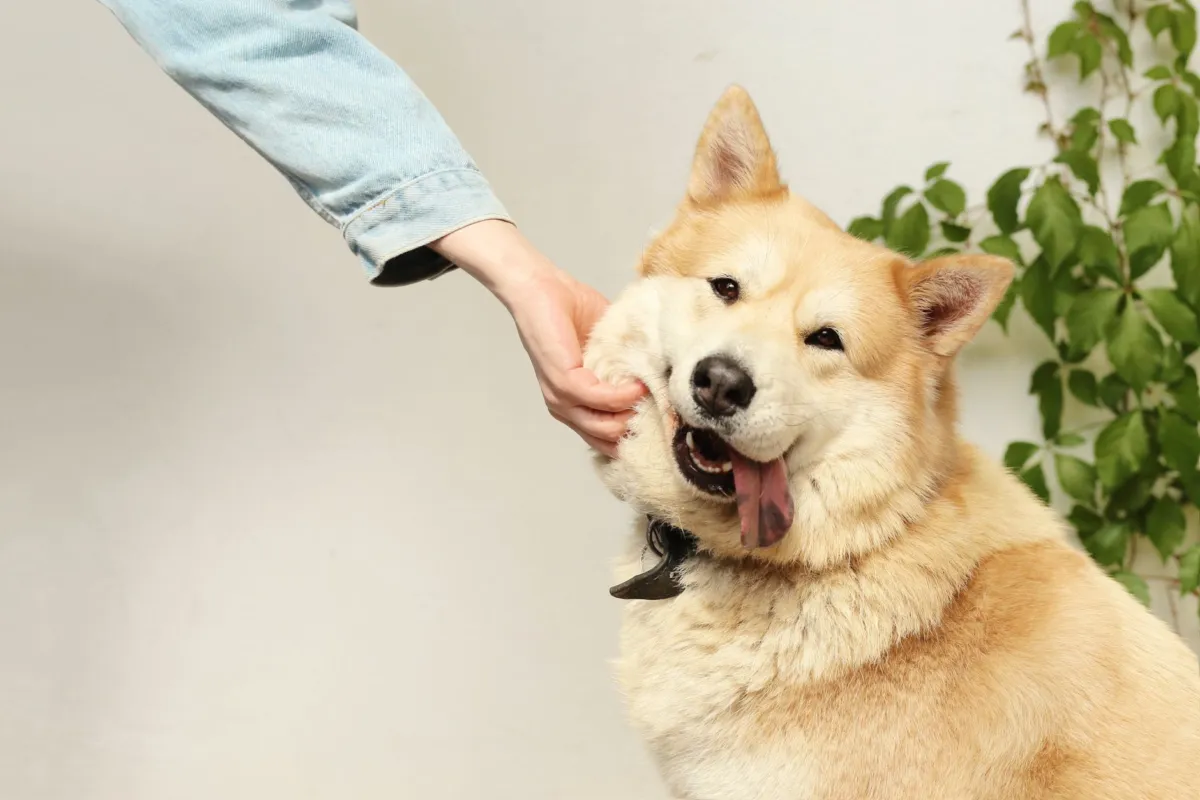
- Choice, such as letting them decide which way to go on a walk or whether they want to be petted.
When Unhappiness Might Be a Health Issue
Dogs are good at hiding pain. Changes in behavior are often the first clue that something is physically wrong. Contact your vet if you notice:
- Loss of appetite lasting more than a day
- Lethargy or reluctance to walk, jump or play
- Hiding, clinginess or irritability that is new
- Growling when touched in a particular area
- Changes in toileting, drinking or sleep
- Excessive licking, panting or restlessness
Behavioral changes can also reflect stress from changes in the household, such as a move, a new baby or the loss of a companion. A veterinarian or qualified behaviorist can help you work out what is going on.
Frequently Asked Questions
Do dogs really smile?
Dogs do not smile in exactly the way people do, but a relaxed, open mouth with soft eyes is a genuine sign of a calm, content state. Some dogs also show a “submissive grin” where they pull back their lips to show their front teeth during greetings. It looks alarming but is a friendly, appeasing signal.
Is my dog happy if they sleep all day?
Plenty of sleep is normal, especially for puppies, seniors and large breeds. As long as your dog is alert, playful and interested in food and walks when awake, lots of napping is fine. Sudden increases in sleep or lethargy should be discussed with your vet.
Can dogs feel depressed?
Dogs can experience low mood, often after a major change or loss. Signs include withdrawal, reduced appetite, loss of interest in play and sleeping more. Most dogs improve with time, routine and gentle encouragement, but always rule out medical causes first.
Does a wagging tail always mean a friendly dog?
No. A wagging tail simply means the dog is emotionally aroused. A loose, wide wag with a relaxed body usually signals friendliness, while a high, stiff, fast wag can signal tension. Read the whole body before approaching an unfamiliar dog.
The Bottom Line
A happy dog usually looks relaxed and loose, enjoys play and food, sleeps soundly and seeks out your company. By learning your own dog’s normal body language, you will be able to celebrate their happy moments and notice quickly when something is not right. That attentiveness is one of the greatest gifts you can give your companion.
Was this article helpful?

The Mad4Pets editorial team is a group of lifelong pet owners and writers who turn trusted veterinary guidance into practical, easy-to-follow advice for everyday pet parents.