How to Teach Your Dog to Sit: Easy Step-by-Step Training
How to teach your dog to sit using positive reinforcement: an easy step-by-step method, the best treats, common mistakes and how to make it reliable.

Key takeaways
- Start training in a distraction-free environment.
- Use positive reinforcement to encourage your dog.
- Be consistent with commands and rewards.
- Practice regularly to reinforce learning.
Teaching your dog to sit is one of the most fundamental skills a dog can learn. Not only is it a great way to establish communication between you and your dog, but it also lays the groundwork for more advanced commands. A well-trained dog is generally more manageable and can be a joy to have around.
In this guide, we will explore various techniques and tips to successfully teach your dog to sit. Whether you are working with a puppy or an adult dog, you can follow these steps to make the training process enjoyable and effective.
Before starting, it’s essential to gather some supplies. You’ll need treats that your dog loves, a clicker if you choose to use one, and a quiet space with minimal distractions. With the right approach, patience, and consistency, your dog will be sitting on command in no time!
Understanding the Sit Command
Understanding why the sit command is important is foundational for effective training. The sit is often one of the first commands taught because it is relatively simple for dogs to learn and serves many purposes in daily life.
When a dog sits, it usually calms them down. This is particularly useful in situations where your dog might be overly excited, such as when guests arrive at your home or during outings. Additionally, teaching your dog to sit can aid in preventing unwanted behaviors, such as jumping or barking.
Moreover, mastering the sit command can serve as a stepping stone for teaching other commands. Once your dog understands the concept of following commands, learning commands like ‘stay’ or ‘come’ becomes much easier.
Preparation for Training
Before you start training your dog to sit, it is crucial to prepare appropriately. Here are some steps to get you started:
- Choose the Right Location: Select a quiet area free from distractions. This could be a room in your house or a quiet spot in the backyard.
- Gather Supplies: Have your treats ready. Choose high-value treats that your dog loves, such as small bits of cheese, chicken, or commercial dog treats.
- Set a Schedule: Plan short training sessions of about 5 to 10 minutes. Dogs have short attention spans, so multiple brief sessions are more effective than one long one.
Step-by-Step Guide to Teaching Sit
Now that you are prepared, it’s time to start teaching your dog the sit command. Follow these steps carefully for best results:
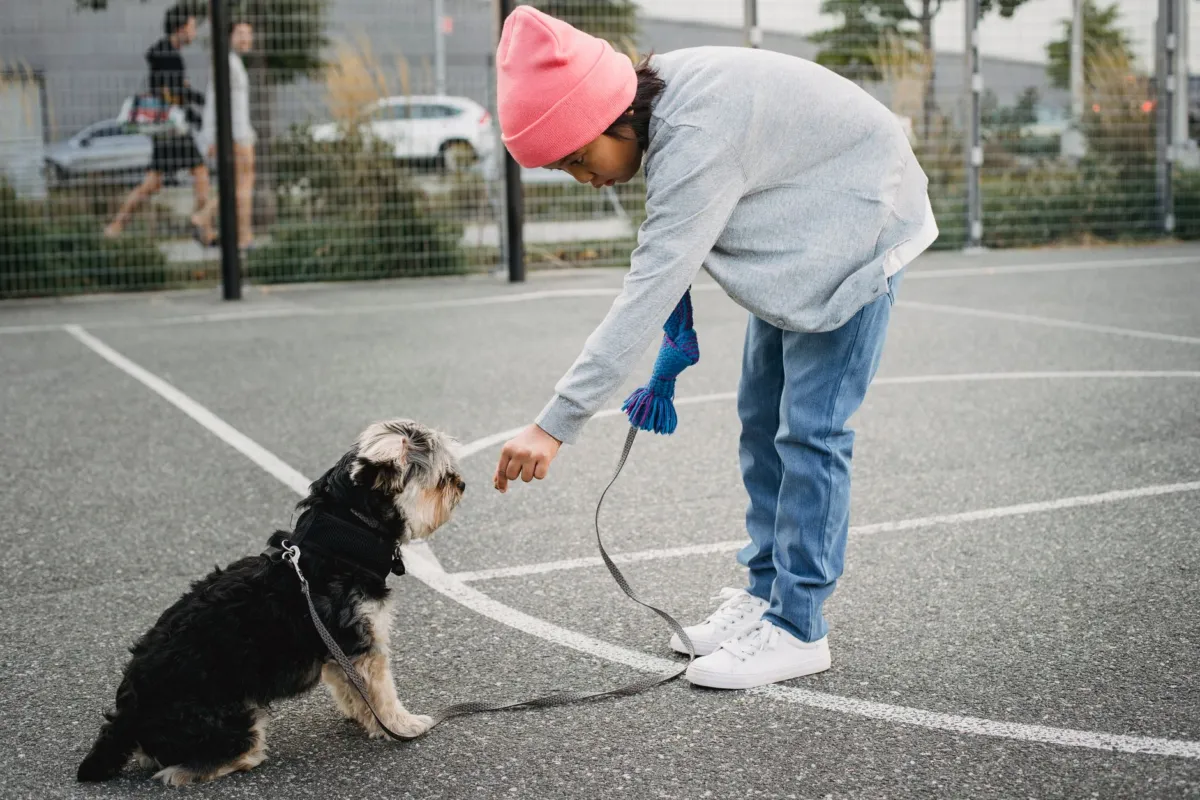
- Get your Dog’s Attention: Call your dog to you and make sure you have their full attention. Hold a treat close to their nose to get them interested.
- Move the Treat: Slowly move the treat upwards and back over your dog’s head. As they follow the treat with their eyes, their natural instinct will be to lower their back end to the ground to maintain balance.
- Say the Command: As soon as your dog’s bottom touches the ground, say the word “sit” clearly and firmly.
- Reward Immediately: Once your dog is in the sitting position, reward them with the treat and lots of praise. This positive reinforcement will help them associate the action with a reward.
- Repeat and Practice: Continue to practice the command in different settings and with varying levels of distraction. Consistency is key for your dog to understand what you want.

Common Challenges and Solutions
Training can sometimes come with its own set of challenges. Here are a few common issues you might encounter and how to address them:
- Dog is Distracted: If your dog seems distracted, try moving to a quieter area. Ensure there are no other pets or people around that might divert your dog’s attention.
- Dog Won’t Sit: If your dog is not sitting, ensure that you are moving the treat correctly and that they understand what is being asked. Consider lowering the treat closer to their nose to encourage them.
- Impatience: Dogs can often pick up on your frustration. Remain calm and patient, and remember that learning takes time.
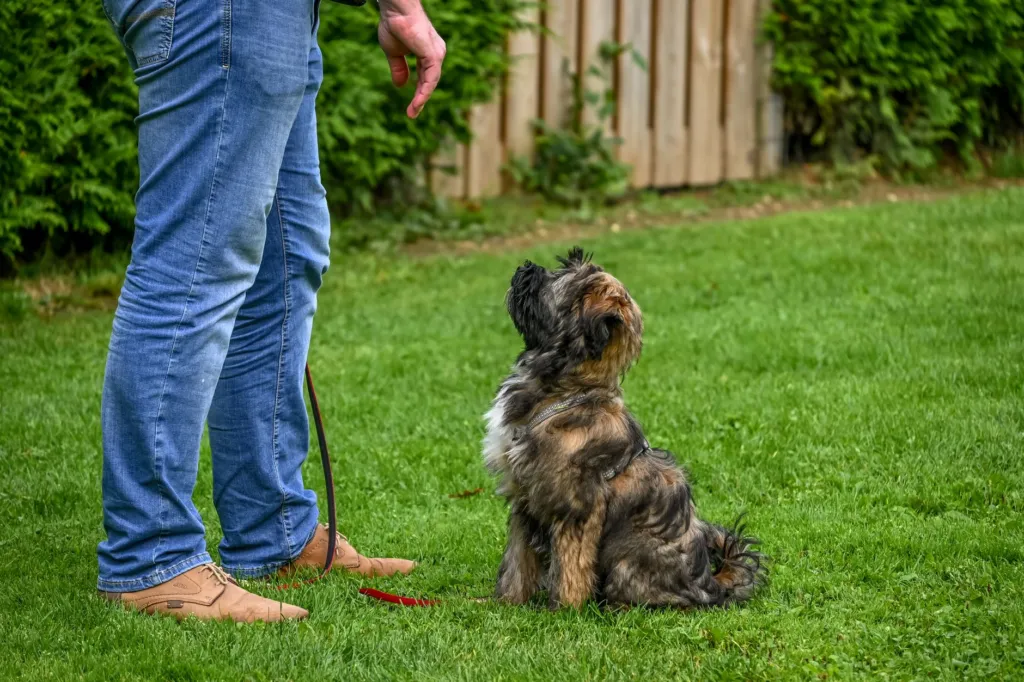
Using Positive Reinforcement
Positive reinforcement is the most effective training method for dogs. This technique focuses on rewarding your dog for good behavior rather than punishing them for mistakes. Here’s how to effectively use positive reinforcement:
- Rewards: Always reward your dog immediately after they perform the desired behavior. This could be with treats, verbal praise, or even a favorite toy.
- Timing: The timing of the reward is crucial. Make sure to provide the reward right after your dog sits so they can connect the action with the reward.
- Consistency: Be consistent with the commands and rewards you use. This helps your dog understand what is expected of them during training.

Incorporating the Sit Command into Daily Life
Once your dog has learned to sit on command, it’s essential to incorporate this behavior into daily life. This not only reinforces the command but also helps in managing your dog’s behavior in various situations.
For example, when you are about to feed your dog, ask them to sit before placing their food bowl down. This establishes a routine and reinforces the sit command. Similarly, when you have guests over, ask your dog to sit before they can greet them. This helps in controlling their excitement and managing their behavior.
Consider using the sit command during walks as well. You can ask your dog to sit before crossing the street or when encountering other dogs. This not only keeps them safe but also reinforces their training.
Tip for Success
Understanding the Importance of Timing in Training
Timing plays a crucial role in dog training, especially when teaching commands like ‘sit.’ Correct timing helps your dog associate the command with the action you want them to perform. This section discusses the significance of timing and provides tips to enhance your training sessions.
Recognizing the Right Moment
One of the key aspects of effective dog training is recognizing the right moment to give a command. This requires keen observation of your dog’s behavior. For instance, if your dog is naturally lowering their body in a playful manner, it is an opportune moment to issue the ‘sit’ command. By timing your command when your dog is already in a position to comply, you reinforce the behavior you want to encourage.
Feedback Timing
Providing immediate feedback to your dog is essential for reinforcing the desired behavior. When your dog successfully sits in response to your command, give them positive reinforcement immediately, whether it’s praise, a treat, or a toy. Delaying your feedback can lead to confusion about what behavior is being rewarded.
Tips for Perfecting Timing
- Practice in a distraction-free environment to focus on timing.
- Use a clicker for precise timing; click as soon as your dog sits.
- Gradually introduce distractions once your timing and your dog’s response improve.
Incorporating Signals and Cues
In addition to verbal commands, incorporating physical signals and cues can enhance your dog’s understanding of the ‘sit’ command. Dogs are adept at reading body language, so combining verbal commands with gestures can lead to faster learning.
Using Hand Signals
Hand signals are a powerful tool in dog training. You can create a specific hand gesture that corresponds with the ‘sit’ command. For example, you might raise your hand with your palm facing outward. Once your dog associates the gesture with the command, you can use it in situations where verbal commands might not be effective, such as in noisy environments.
Combining Verbal and Physical Cues
Combining verbal commands with physical cues can reinforce learning. For instance, when you say ‘sit,’ simultaneously use your hand signal. This dual approach engages your dog’s attention and helps them make the connection between the verbal command and the action. Over time, you can gradually fade the verbal command and rely more on the hand signal.
Tips for Effective Communication
- Be consistent with the hand signal you choose to avoid confusion.
- Practice in various environments to generalize the behavior.
- Monitor your dog’s body language to ensure they understand your cues.
Socialization and the Sit Command
Socialization is an integral part of dog training that can significantly enhance your dog’s ability to respond to commands like ‘sit.’ By exposing your dog to different environments, people, and other animals, you create a well-rounded pet that is more responsive to training.
The Role of Socialization in Training
Socialization helps dogs learn how to interact appropriately with their surroundings. A well-socialized dog is less likely to be anxious or distracted during training sessions. By introducing your dog to various stimuli, they become accustomed to different situations where they may need to sit, such as at the vet or amidst a bustling park.
Practicing Sit in Social Settings
Once your dog has mastered ‘sit’ in a quiet environment, it’s time to practice in more challenging settings. Start by bringing your dog to a dog park or a busy street. Use the ‘sit’ command when there are distractions around, rewarding your dog for maintaining focus. This practice not only reinforces the command but also builds your dog’s confidence in following commands amid distractions.
Socialization Tips for Effective Training
- Organize playdates with other dogs to practice commands in a social setting.
- Attend group training classes to expose your dog to new environments.
- Take your dog on outings to different locations, rewarding them for sitting calmly.
Frequently Asked Questions
How long does it take to teach a dog to sit?
The time it takes to teach a dog to sit can vary widely depending on the dog’s age, breed, and previous training experience. Some dogs may learn the command in just a few sessions, while others may take several weeks to master it.
What should I do if my dog doesn’t respond to the sit command?
If your dog does not respond to the sit command, ensure you are using high-value treats and that your training environment is free from distractions. It may also help to revisit the training steps and ensure you are providing immediate rewards.
Can I train an older dog to sit?
Absolutely! Older dogs can learn new commands just like puppies. The key is to be patient and consistent. Ensure that the training sessions are short and enjoyable to keep their interest.
Is it necessary to train my dog to sit?
While it is not strictly necessary, teaching your dog to sit can significantly improve their behavior and make them easier to manage in various situations. It also helps strengthen the bond between you and your dog.
The Bottom Line
Teaching your dog to sit is a rewarding experience that establishes a foundation for good behavior. By using positive reinforcement, being consistent, and practicing regularly, you can effectively train your dog to sit on command. Remember that patience and understanding are key, and before long, your dog will be sitting like a pro!
Was this article helpful?

Writer at Mad4Pets. Lifelong animal lover who turns research and vet guidance into practical tips for everyday pet parents.