How to Choose the Right Hamster Cage: Size, Type and Setup
How to choose the right hamster cage: minimum size, wire vs bin vs tank, bedding depth, wheels and hides for a happy, healthy hamster.

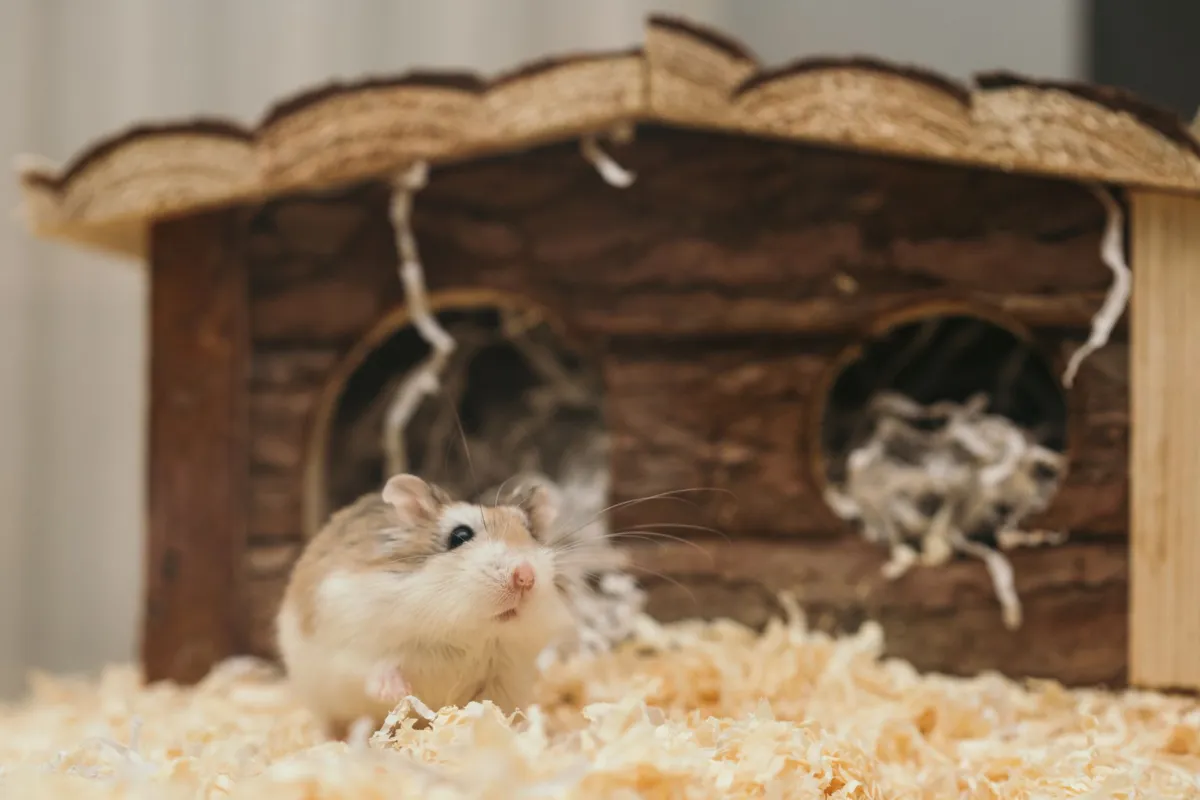
Key takeaways
- Consider size based on hamster species.
- Opt for safe, chew-proof materials.
- Include essential accessories for enrichment.
- Regularly clean and maintain the cage.
Choosing the right cage for your hamster is a critical decision that can significantly impact its health and happiness. While hamsters are relatively low-maintenance pets, they do require a suitable environment to thrive. A well-chosen cage can provide your furry friend with the space they need to exercise, explore, and engage in natural behaviors.
In this guide, we will explore everything you need to know about selecting the perfect hamster cage. We will discuss the various types of cages available, the essential features to look for, and tips on how to maintain a clean and safe habitat for your pet.
Whether you are a first-time hamster owner or looking to upgrade your current setup, understanding your hamster’s needs is vital. Let’s dive into the specifics of choosing the right hamster cage.
Types of Hamster Cages
Hamster cages come in several types, each with its own advantages and disadvantages. The main types include:
- Acrylic Cages: These are made from durable plastic and are often easy to clean. They provide a clear view of your pet and minimize the risk of escaping.
- Wire Cages: Wire cages typically have a solid base and a wire mesh top. They offer good ventilation and are generally less expensive. However, ensure the bars are closely spaced to prevent escapes.
- Glass Cages: Often used for larger hamsters, glass tanks provide a secure environment. They retain humidity well but can be heavy and require regular cleaning.
- Modular Cages: These cages allow for customization and expansion. You can connect different sections, ramps, and tunnels to create a more enriching environment.
Pros and Cons of Each Type
| Cage Type | Pros | Cons |
|---|---|---|
| Acrylic | Durable, easy to clean, clear visibility | Can be expensive, may scratch easily |
| Wire | Good ventilation, affordable | Risk of escaping, may not retain heat |
| Glass | Secure, retains humidity | Heavy, difficult to move, requires frequent cleaning |
| Modular | Customizable, promotes exploration | Can be costly, may require more assembly |
Size Matters: Choosing the Right Dimensions
The size of the hamster cage is crucial for the overall well-being of your pet. Hamsters need ample space to move around, exercise, and explore. Here are some guidelines to follow when selecting a cage size:
- For Dwarf Hamsters: A minimum of 24 inches long, 12 inches wide, and 12 inches high is recommended. Dwarf hamsters are active and benefit from horizontal space.
- For Syrian Hamsters: Aim for a minimum of 30 inches long, 12 inches wide, and 12 inches high. Syrian hamsters are larger and require more room to thrive.
- Multi-level Cages: Consider cages with multiple levels, but ensure that they have ramps or ladders that are easy for your hamster to navigate.
It is essential to provide enough floor space, as hamsters enjoy digging and burrowing. An appropriately sized cage promotes healthy behaviors and reduces stress.

Material Safety: What to Look For
The materials used in the construction of the hamster cage are vital for your pet’s safety. Here are some material considerations:
- Non-Toxic Materials: Ensure all materials are non-toxic and safe for chewing. Hamsters love to gnaw on their surroundings, so avoid cages made from harmful plastics or treated wood.
- Easy to Clean: Choose materials that are easy to clean and disinfect. Cages should have removable trays or bases to make cleaning simple.
- Sturdy Construction: The cage should be robust enough to withstand your hamster’s activity. Avoid flimsy, cheap cages that may collapse or break easily.
When selecting a cage, always prioritize your hamster’s safety. Inspect the materials and construction before making a purchase.
Essential Features for Your Hamster Cage
Besides size and materials, certain features will enhance your hamster’s living environment. Look for the following:
- Ventilation: Good airflow is crucial to prevent mold and odor build-up. Ensure the cage has adequate ventilation holes or wire sections to allow fresh air circulation.
- Accessibility: Cages should have doors that open wide for easy access. This makes cleaning and handling your hamster more convenient.
- Secure Locking Mechanisms: Ensure that the doors have secure locks to prevent escapes. Hamsters are clever and can squeeze through small openings.
- Hiding Spaces: Incorporate hiding spaces, tunnels, and toys to create an enriching habitat. Hamsters feel secure when they have places to hide.

Accessories to Enhance the Cage Environment
In addition to the cage itself, various accessories can enhance your hamster’s habitat. Consider including:
- Exercise Wheel: An essential item for any hamster cage. Choose a solid wheel, as wire wheels can cause injuries to their feet.
- Bedding Material: Use safe bedding like aspen shavings or paper-based products. Avoid cedar or pine shavings, as they can harm your hamster’s respiratory system.
- Food and Water Dispensers: Choose a heavy food bowl and a water bottle designed for small animals. Ensure they are easy to clean and refill.
- Toys: Provide chew toys, tunnels, and climbing structures to keep your hamster entertained and mentally stimulated.
Regularly rotate accessories to keep the environment fresh and engaging for your hamster.
Cleaning and Maintenance of the Cage
Maintaining a clean hamster cage is vital for your pet’s health. Follow these cleaning tips:
- Regular Spot Cleaning: Remove soiled bedding, uneaten food, and waste daily. This helps keep the environment fresh.
- Full Cage Cleaning: Every week, perform a complete cleaning. Remove all bedding, wash the cage with mild soap, and rinse thoroughly.
- Disinfecting: Use a pet-safe disinfectant to clean surfaces, and ensure all areas are dry before adding new bedding and accessories.
Maintaining a clean environment not only promotes your hamster’s health but also reduces odors and pests.

Understanding Hamster Behavior and Habitat Needs
The Importance of Enrichment
Hamsters are naturally curious and active creatures, requiring a stimulating environment to thrive. Enrichment is not just a luxury; it is vital for their mental and physical well-being. An enriched cage encourages exploration, foraging, and exercise, which are crucial for preventing boredom and its associated behavioral issues.
To create an enriching environment, consider incorporating various elements such as tunnels, chew toys, and climbing structures. These items mimic the natural habitats of hamsters, which are often filled with obstacles and hiding spots. The more varied the environment, the more engaged your hamster will be.
- Tunnels: Provide hiding spots and exploration opportunities.
- Chew Toys: Essential for dental health and mental stimulation.
- Climbing Structures: Encourage physical exercise and play.
Creating a Comfortable Microclimate
A hamster’s cage should not only be spacious but also provide a comfortable microclimate. Hamsters are sensitive to temperature and humidity, requiring specific conditions to stay healthy. Ideally, the cage should be kept in a room where temperatures range from 65°F to 75°F (18°C to 24°C) with low humidity levels. High humidity can lead to respiratory issues, while extreme temperatures can cause stress or lethargy.
To maintain an ideal microclimate, consider the following tips:
- Position the cage away from direct sunlight and drafts.
- Use a thermometer and hygrometer to monitor conditions.
- Avoid placing the cage near heat sources or air conditioning vents.
Choosing the Right Cage Location
The placement of your hamster’s cage is crucial to their overall happiness and well-being. An optimal location should balance safety, comfort, and social interaction. Hamsters are social creatures but can be stressed by excessive noise or disturbances.
Here are some considerations for choosing the best location for your hamster’s cage:
- Quiet Area: Select a spot that is away from loud noises, such as TVs or high-traffic areas.
- Stable Environment: Ensure the cage is not in a room that experiences frequent temperature fluctuations.
- Safe from Pets: Keep the cage out of reach from other pets that may pose a threat.
Customization Options for Your Hamster Cage
DIY Cage Modifications
Customization can enhance your hamster’s habitat, making it more enjoyable and functional. DIY modifications can be as simple as adding additional levels, creating hiding spots, or incorporating custom tunnels. Many hamster owners find that personalizing their pet’s cage not only improves the aesthetic appeal but also provides more activities for their furry friend.
When considering DIY modifications, keep in mind the materials you use. Ensure that everything is safe for your hamster, avoiding toxic substances like untreated wood or plastic that can be chewed. Here are some popular DIY ideas:
- Multi-Level Platforms: Create shelves using safe materials to provide more space for exploration.
- Custom Tunnels: Use cardboard tubes or PVC pipes to create intricate tunnel systems.
- Hiding Spots: Build small shelters or hideaways using safe materials to create cozy resting spots.
Decorative Yet Functional Accessories
While functionality is important, decorative accessories can also enhance your hamster’s cage. These items can provide stimulation and comfort while adding a personal touch to the cage. Look for decorations that are safe and suitable for your hamster’s size, ensuring they cannot chew or get stuck in them.
Some popular decorative yet functional accessories include:
- Natural Wood Structures: Safe for chewing and provides climbing opportunities.
- Colorful Hideouts: Brightly colored but safe materials can make the cage visually appealing.
- Live Plants: Choose non-toxic plants that can enhance air quality and aesthetics.
Seasonal Adjustments to Cage Setup
As seasons change, so should the setup of your hamster’s cage. Different weather conditions can affect your hamster’s comfort and health. For instance, in winter, you may need to provide more bedding for warmth, while in summer, ensuring proper ventilation and cooling options can be crucial.
Consider these seasonal adjustments:
- Winter: Increase bedding material for insulation and warmth.
- Summer: Place a small ceramic dish with cool water or provide frozen fruits for hydration.
- Spring: Freshen the cage with new substrate to combat any accumulated odors.
Understanding Different Hamster Breeds and Their Needs
Behavioral Differences Among Breeds
Different hamster breeds exhibit varying behaviors, temperaments, and social needs. Understanding these differences is essential when selecting the right cage setup. For example, Syrian hamsters are solitary animals and require larger cages with ample hiding spots, while dwarf hamsters often enjoy social interactions and can thrive in pairs or small groups.
Here are some common hamster breeds and their behavioral characteristics:
- Syrian Hamsters: Territorial and require solitary housing.
- Dwarf Campbell’s Hamsters: Can live in pairs or small groups, require less space than Syrians.
- Roborovski Hamsters: Very active and social; they enjoy larger cages for running and playing.
Tailoring Cage Features to Breed-Specific Needs
Each breed of hamster has unique needs that should influence your choice of cage features. For example, Syrian hamsters need wider spaces due to their larger size, while dwarf hamsters may benefit from multi-tiered cages to maximize vertical space. Understanding these needs will lead to a happier and healthier pet.
Consider these breed-specific cage features:
- Large, spacious cages for Syrian hamsters with wide openings for easy access.
- Multi-level designs for dwarf breeds to facilitate climbing and social engagement.
- Secure lids or doors to prevent escapes, particularly for more energetic breeds like Roborovski hamsters.
Feeding and Hydration Needs by Breed
Feeding and hydration requirements can also vary between breeds, impacting your choice of cage accessories. Ensure that each breed has access to a suitable food dish that prevents tipping and a water bottle that remains accessible and clean. Additionally, consider the size of the food pellets and treats based on the hamster’s breed to prevent choking hazards.
Here are some feeding tips based on breed:
- Syrian Hamsters: Larger food dishes that accommodate their size.
- Dwarf Hamsters: Smaller, shallow dishes can prevent food waste.
- Roborovski Hamsters: Lightweight, stable food containers to minimize spillage.
Frequently Asked Questions
What size cage do I need for a hamster?
A minimum of 24 inches long, 12 inches wide, and 12 inches high is recommended for dwarf hamsters, while Syrian hamsters need at least 30 inches long, 12 inches wide, and 12 inches high.
Can I use a glass aquarium as a hamster cage?
Yes, a glass aquarium can be a good option for hamsters as long as it has proper ventilation. Ensure it is large enough and easy to clean.
How often should I clean my hamster’s cage?
Perform daily spot cleaning and a complete cage cleaning at least once a week to maintain a healthy environment for your hamster.
Are modular cages suitable for hamsters?
Modular cages can be an excellent option as they allow for customization and expansion. Ensure all sections are secure and accessible for your hamster.
The Bottom Line
Choosing the right hamster cage is crucial for your pet’s health and happiness. Consider the type, size, materials, and essential features of the cage. Always prioritize safety and comfort, and don’t forget to provide enriching accessories to keep your hamster engaged. A well-maintained cage will ensure a happy environment for your furry friend, allowing them to thrive.
Was this article helpful?

Writer at Mad4Pets. Lifelong animal lover who turns research and vet guidance into practical tips for everyday pet parents.