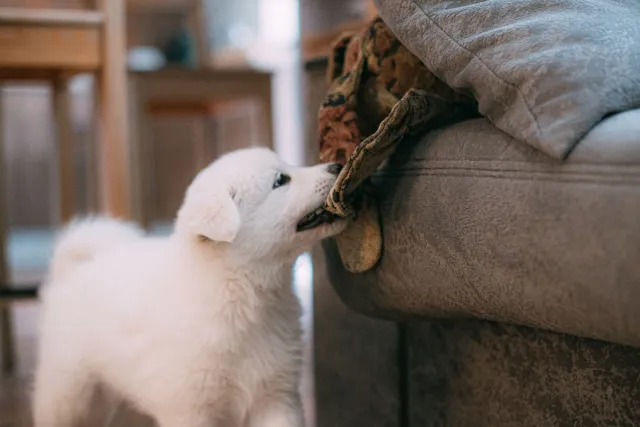
Essential Steps to Socialize a Puppy Effectively
Learn how to socialize a puppy with effective techniques and strategies for ensuring your pup grows into a well-adjusted adult dog.

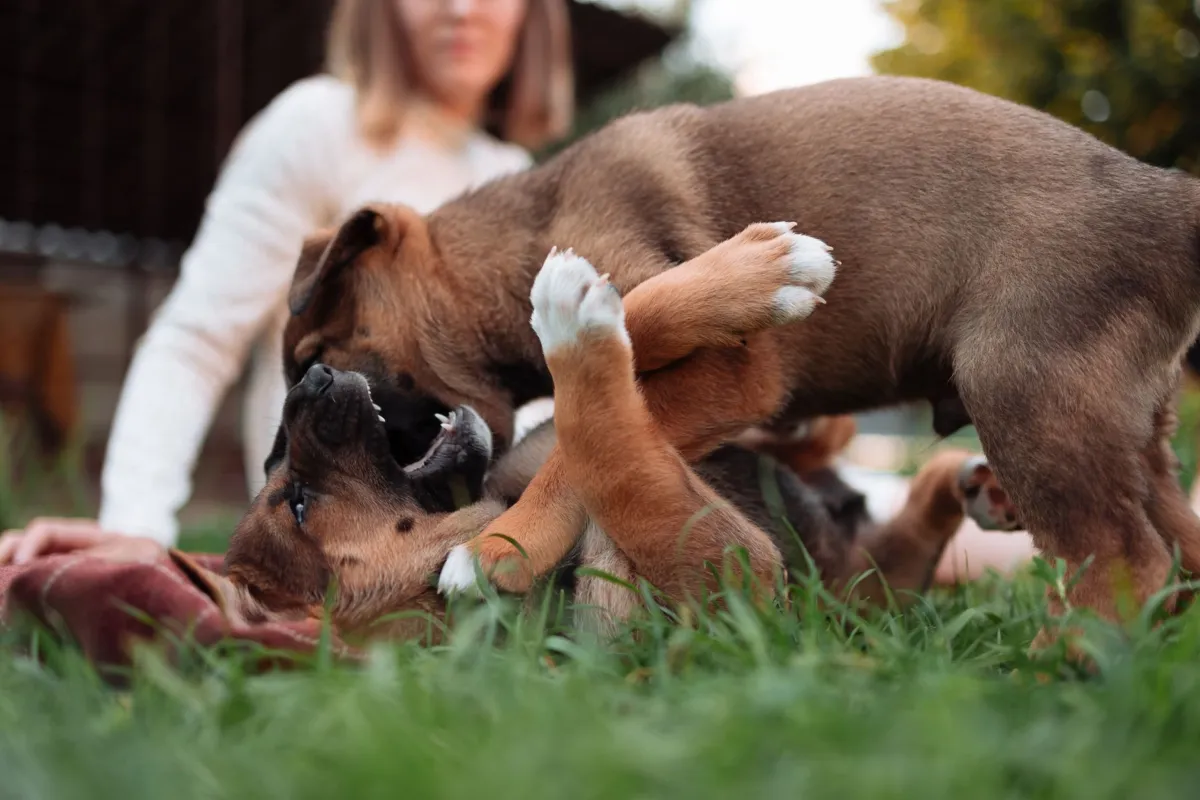
Key takeaways
- Start socialization early for best results.
- Expose your puppy to various environments and stimuli.
- Use positive reinforcement to encourage good behavior.
Socializing your puppy is one of the most crucial aspects of their early development. Proper socialization helps ensure that your dog grows into a well-adjusted, confident adult. The first few months of a puppy’s life are critical for learning how to interact with other dogs, people, and various environments. This guide will walk you through the steps necessary to effectively socialize your puppy.
By exposing your puppy to different experiences in a controlled and positive manner, you can help them develop the skills necessary to navigate the world safely and confidently. In this article, we will cover practical tips, techniques, and the importance of socialization, all designed to help you raise a happy and well-behaved dog.
Before diving into the steps, it’s essential to understand that socialization is not a one-time event but rather an ongoing process that can last well into your dog’s adulthood. The foundation laid during the puppy phase will have lasting impacts on their behavior and temperament as they grow. Let’s explore how to socialize a puppy effectively.
Understanding Puppy Socialization
Socialization refers to the process of exposing your puppy to a variety of experiences, environments, and individuals in a positive and controlled way. The goal is to help your puppy learn to feel comfortable and safe in various situations. This is particularly important for puppies because they are in a critical developmental stage where they are most receptive to new experiences.
During the first three to four months of life, puppies are particularly open to socialization experiences. Their brains are rapidly developing, and they are more likely to form positive associations with the world around them. Failure to socialize your puppy during this period can result in fearfulness or aggression later in life.
Socialization can include exposure to different sights, sounds, people, and other animals. Positive experiences can help shape your puppy’s behavior and make them more adaptable to new situations. It’s important to remember that each puppy is unique, and their socialization journey may vary.
When to Start Socializing Your Puppy
The ideal time to start socializing your puppy is between 3 and 14 weeks of age. This period is often referred to as the socialization window, where puppies are most receptive to new experiences. After 14 weeks, puppies can become more cautious and fearful of new situations, making it more challenging to socialize them.
However, even if your puppy is older than 14 weeks, it’s still possible to socialize them. The key is to take things slowly and use positive reinforcement to encourage desired behaviors. Here’s a timeline for effective socialization:
- 3 to 5 weeks: Introduce your puppy to gentle handling, different surfaces, and basic sounds.
- 6 to 8 weeks: Begin meeting new people and safe, vaccinated dogs.
- 9 to 12 weeks: Start exposing your puppy to various environments, such as car rides, parks, and busy streets.
- 13 to 16 weeks: Continue socialization with structured puppy classes and more challenging environments.
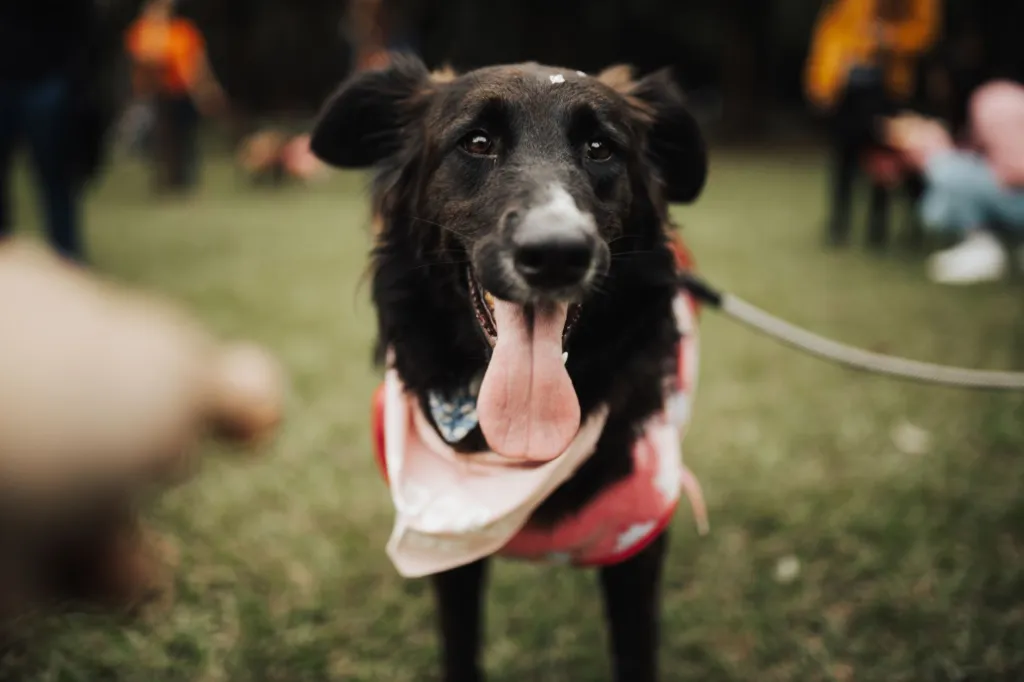
Techniques for Effective Socialization
To successfully socialize your puppy, utilize a variety of techniques that encourage positive experiences. Here are some methods to consider:
- Positive Reinforcement: Use treats, praise, and affection to reward your puppy for calm and confident behavior in new situations.
- Controlled Introductions: Introduce your puppy to new experiences gradually, allowing them to approach at their own pace.
- Puppy Classes: Enroll your puppy in a well-structured puppy socialization class where they can interact with other dogs and people under supervision.
- Field Trips: Take your puppy on outings to various locations, such as parks, shopping centers, and pet-friendly stores, to expose them to different sights and sounds.
When introducing your puppy to new experiences, always observe their body language. If your puppy seems fearful or overwhelmed, take a step back and allow them to acclimate more gradually.
Exposing Your Puppy to Different Environments
One of the key components of socialization is exposing your puppy to a variety of environments. This helps them learn how to behave in different settings. Here are some environments to consider:
- Urban Environments: Expose your puppy to busy streets, public transportation, and crowded areas to help them get used to noise and movement.
- Nature Settings: Take your puppy to parks, beaches, and hiking trails to experience different terrains and natural sounds.
- Home Environments: Invite friends and family over to expose your puppy to different people and household environments.
Every exposure should be a positive experience. If your puppy shows signs of anxiety, such as cowering or excessive barking, it’s essential to move away from the situation and try again later.
Meeting New People and Dogs
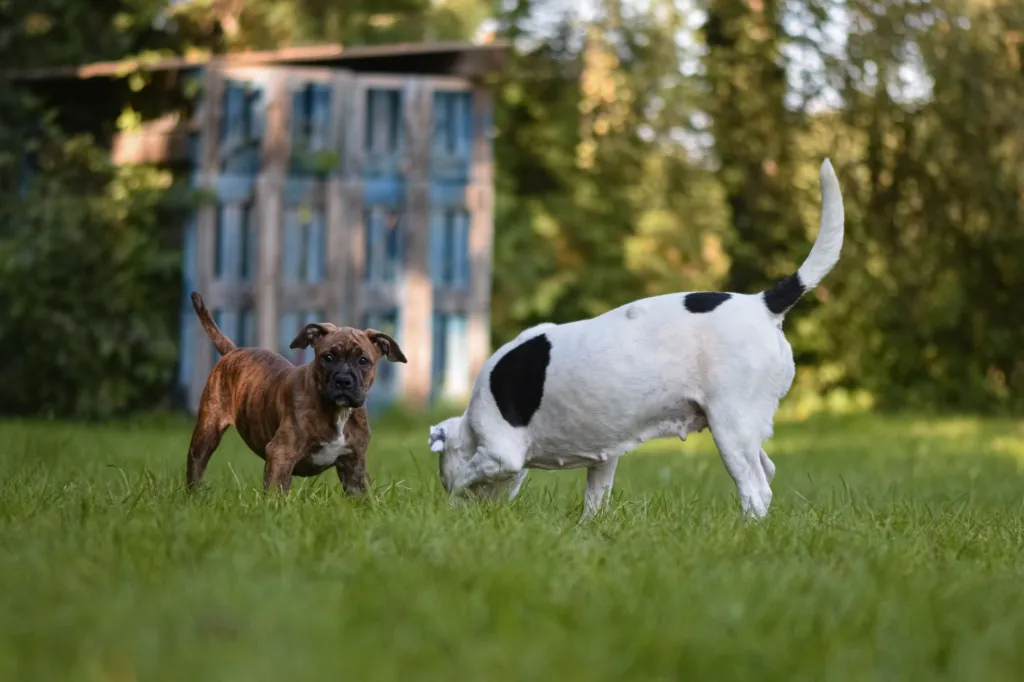
Socializing your puppy with people and other dogs is critical for their development. Here’s how to make these interactions positive:
- People: Introduce your puppy to a variety of individuals, including men, women, children, and seniors. Ensure that the interactions are calm and controlled.
- Other Dogs: Arrange playdates with well-behaved, vaccinated dogs. Supervise all interactions and watch for signs of stress.
- Handling: Get your puppy used to being touched and handled by different people. This includes handling their ears, paws, and mouth.
Encourage gentle interactions and give positive feedback for good behavior. If a meeting does not go well, it’s important to end it on a positive note and try again later.
Using Positive Reinforcement
Positive reinforcement is the cornerstone of effective training and socialization. This method focuses on rewarding desired behaviors, making them more likely to occur in the future. Here’s how to implement it:
- Reward Calm Behavior: Whenever your puppy remains calm in a new situation, provide praise or treats. This helps reinforce their confidence.
- Encourage Exploration: Use treats to encourage your puppy to explore new environments. Gradually increase the difficulty of the situations.
- Avoid Punishment: Never use punishment or negative reinforcement. This can damage your puppy’s trust and lead to behavioral issues.
Positive reinforcement not only helps with socialization but also strengthens the bond between you and your puppy.
Common Challenges in Socialization
Despite your best efforts, you may encounter some challenges while socializing your puppy. Understanding these challenges can help you address them effectively:
- Fearfulness: Some puppies may show fear in new situations. If this happens, allow them to retreat and take their time approaching new stimuli.
- Aggression: If your puppy exhibits aggressive behaviors towards other dogs or people, it’s essential to seek professional help from a trainer.
- Overstimulation: Puppies can easily become overstimulated in busy environments. Always monitor their energy levels and provide breaks as needed.
Be patient and persistent. Socialization is an ongoing process, and each puppy will progress at their own pace.
Understanding the Role of Play in Socialization
The Importance of Play
Play is a critical component of a puppy’s development and socialization. It allows puppies to learn how to interact with their peers, understand social cues, and develop their physical and mental skills. Engaging in play with other dogs helps puppies to establish boundaries and learn bite inhibition, which is essential for their future interactions.
In addition to learning from their peers, puppies also learn about their environment through play. Exploration during playtime can help alleviate fears and anxiety about unfamiliar objects, sounds, or situations. Therefore, incorporating play into socialization efforts can yield significant benefits.
- Enhances communication skills with other dogs.
- Promotes physical fitness and coordination.
- Teaches proper behavior and social norms.
Types of Play Activities
Different types of play can be beneficial for a puppy’s socialization experience. Below are some activities to consider integrating into your puppy’s routine:
- Structured Playdates: Arrange playdates with other vaccinated puppies or friendly adult dogs. Supervised interactions can help teach appropriate play behavior.
- Group Training Classes: Enroll your puppy in group training classes that incorporate play. They will learn commands while having fun with their peers.
- Interactive Toys: Use toys that encourage social interaction, such as tug toys or fetch balls, which can be shared during playtime.
Mixing various play activities can keep socialization fun and engaging, making it a critical focus in your puppy’s early development.
Monitoring Play Behavior
While play is essential, it is equally important to monitor your puppy’s behavior during playtime. Not all interactions are positive, and some puppies may exhibit signs of stress or aggression. Here are some behaviors to watch for:
- Body Language: Look for signs of relaxation, such as a wagging tail and play bows, versus signs of distress, like growling or stiff posture.
- Taking Breaks: Ensure that playdates include breaks to prevent overstimulation, allowing puppies to regroup and calm down.
- Equal Play: Observe if one puppy dominates playtime. Ensure that all puppies have equal opportunities to play and engage.
By closely monitoring play behavior, you can ensure that socialization through play is positive and productive.
Creating a Safe and Rich Socialization Environment
Home Environment Setup
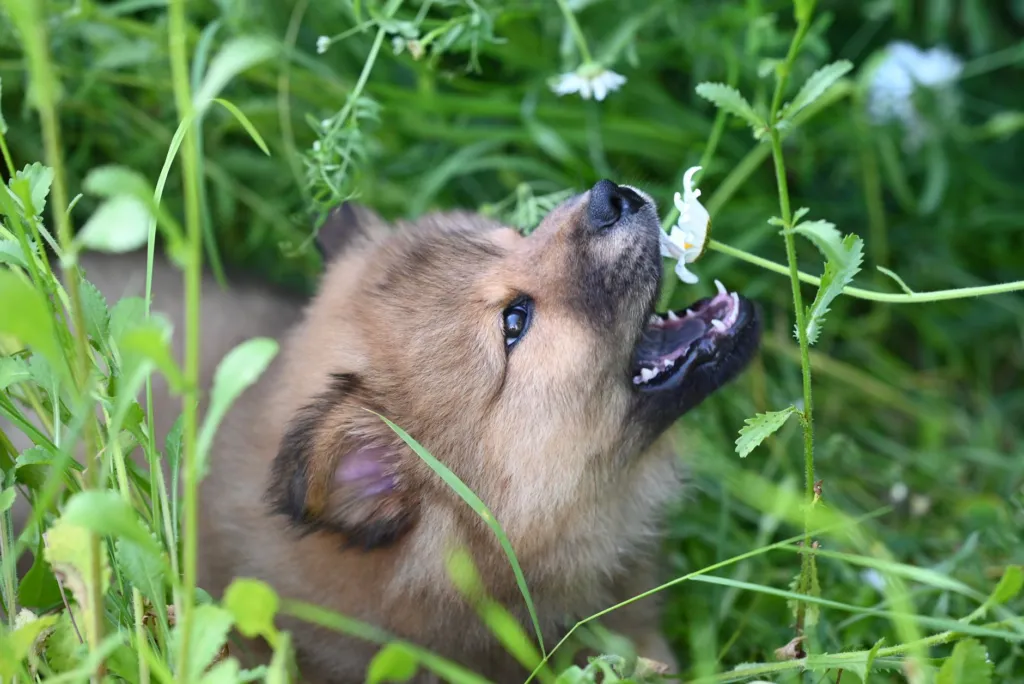
Your home can serve as a vital socialization hub. Creating a safe and stimulating environment exposes your puppy to various experiences that will aid in their socialization. Start by introducing your puppy to different sounds and smells found in your home, such as vacuum cleaners, doorbells, or cooking noises.
Gradually introduce your puppy to various household items, allowing them to explore safely. Use positive reinforcement when your puppy shows curiosity or calmness around these stimuli. This approach helps your puppy develop confidence in their environment.
- Introduce safe household items (e.g., brooms, bags).
- Play recorded sounds (e.g., thunder, fireworks) at low volumes.
- Incorporate different textures (e.g., carpets, tiles) for exploration.
Outdoor Exploration Opportunities
Outdoor experiences are equally vital for your puppy’s socialization. Taking them to parks, cafes, or pet-friendly stores can expose them to new sights, sounds, and smells. Gradually increasing the duration and complexity of these outings can help your puppy adjust to various environments.
On outdoor adventures, allow your puppy to interact with people and other dogs at a comfortable pace. Use positive reinforcement to reward calm behavior and curiosity. Remember to keep interactions brief initially, gradually increasing exposure as your puppy becomes more comfortable.
- Visit local dog parks during off-peak hours.
- Attend community events that welcome pets.
- Explore different walking routes to expose your puppy to various environments.
Building Your Puppy’s Confidence
Confidence-building is a crucial aspect of socialization. Activities that challenge your puppy in a safe way will help them grow more self-assured. Implementing confidence-building exercises such as agility training or puzzle toys can stimulate both their minds and bodies.
Encourage exploration of new environments, rewarding your puppy for showing curiosity rather than fear. Gradually introducing challenging scenarios, such as walking over different surfaces or encountering varied obstacles, can also foster confidence.
- Introduce basic agility exercises (e.g., jumps, tunnels).
- Use treat-dispensing toys to encourage problem-solving.
- Engage in obedience training to reinforce commands and build trust.
By focusing on building confidence, you ensure your puppy not only socializes effectively but also becomes a well-adjusted adult dog.
Using Technology as a Socialization Tool
Socialization Apps and Resources
With the rise of technology, there are now various apps and online resources designed to assist in puppy socialization. These tools can help connect you with other pet owners, trainers, and socialization opportunities in your area.
Consider using apps that provide training tips, socialization ideas, and local events where you can safely bring your puppy. Additionally, many apps allow you to track your puppy’s progress, helping you stay organized in your socialization efforts.
- Puppy training apps with socialization tips.
- Local pet event finder apps.
- Online training communities for support and advice.
Virtual Socialization Options
Virtual socialization has become a viable option, especially for puppies who may be fearful of new experiences. Online training classes can provide valuable skills and exposure to different training methods without leaving the comfort of your home.
Additionally, virtual meetups with other puppies through video calls can help your puppy become accustomed to other dogs in a controlled environment. This can be especially useful during the early socialization window.
- Interactive online training courses.
- Virtual puppy playgroups.
- Webinars on socialization techniques.
Monitoring and Adjusting Your Approach
As with any training process, it is essential to monitor your puppy’s response to socialization techniques and adjust accordingly. Use technology to document behaviors and progress, helping you identify areas that require more attention.
By keeping a record of your puppy’s experiences, you can evaluate patterns in their behavior and refine your socialization strategy. This iterative process ensures that your puppy receives the support they need for effective socialization.
- Track interactions and behaviors in a journal.
- Use apps to monitor progress over time.
- Adjust socialization techniques based on observations.
Frequently Asked Questions
What if my puppy is older than 14 weeks?
It is still possible to socialize older puppies. It may take more time and patience, but gradual exposure to new experiences can still be effective.
How often should I socialize my puppy?
Socialization should be a regular part of your puppy’s routine. Aim for several short experiences each week to build their confidence and adaptability.
Can I socialize my puppy with my adult dog?
Yes, introducing your puppy to a calm and well-socialized adult dog can provide a great learning experience. Monitor their interactions closely to ensure safety.
What if my puppy seems scared during socialization?
If your puppy shows fear, allow them to retreat and take a break. Never force them into uncomfortable situations. Gradual exposure is key.
The Bottom Line
Socializing a puppy is a crucial part of their development and helps them grow into a well-adjusted adult dog. By beginning this process early and using positive reinforcement techniques, you can ensure that your puppy is comfortable in various situations, around different people, and with other dogs. Remember to be patient, observe your puppy’s reactions, and make the experience enjoyable for them. With time and effort, your puppy will thrive socially.
Consult your veterinarian if you have concerns about your puppy’s health or behavior during socialization.[/m4p_tip>
Was this article helpful?

Writer at Mad4Pets. Lifelong animal lover who turns research and vet guidance into practical tips for everyday pet parents.