Can Dogs Eat Eggs? Benefits and Precautions Explained
Discover if dogs can eat eggs, the nutritional benefits, and important precautions to keep your furry friend safe. Learn more about feeding eggs to dogs.


Key takeaways
- Eggs are a good source of protein for dogs.
- Raw eggs may carry salmonella risk.
- Cooked eggs are safer and provide nutritional benefits.
As pet owners, we often find ourselves wondering what foods are safe for our furry friends. One common question that arises is, can dogs eat eggs? This inquiry is not only relevant but important for ensuring our dogs receive a balanced diet. Eggs are a staple food in many households, and their nutritional value makes them a tempting option for sharing with our pets.
In this article, we will explore the benefits and potential risks of feeding eggs to dogs. We will cover everything from the nutritional profile of eggs, the safest ways to prepare them, and the specific circumstances under which you should avoid feeding your dog eggs altogether. By the end of this guide, you will be well-informed to make the best dietary choices for your canine companion.
Understanding the right foods to include in your dog’s diet is essential for their health and wellbeing. Let’s delve into the details of whether eggs are a good choice for dogs.
Nutritional Benefits of Eggs for Dogs
Eggs are often touted as a superfood for dogs due to their impressive nutritional profile. They are rich in several vital nutrients that can contribute to your dog’s overall health.
Here are some of the key benefits:
- High in Protein: Eggs are an excellent source of high-quality protein, which is essential for muscle development and repair in dogs. Protein plays a crucial role in maintaining healthy skin, fur, and overall bodily functions.
- Rich in Vitamins: Eggs contain various vitamins, including Vitamin A, B vitamins (such as B12 and riboflavin), and Vitamin D. These vitamins help support your dog’s immune system, energy levels, and vision.
- Source of Healthy Fats: Eggs provide healthy fats that can enhance coat health and skin condition. These fats are also a significant energy source for active dogs.
In addition to these benefits, eggs are also easy to digest, making them a suitable option for dogs with sensitive stomachs. However, moderation is key to avoid any potential issues.
Risks of Feeding Eggs to Dogs
While eggs can be a healthy addition to your dog’s diet, there are some risks to consider. It’s essential to be aware of these to ensure your dog’s safety.
The main concerns when it comes to feeding eggs to dogs include:
- Salmonella Risk: Raw eggs may carry the risk of salmonella bacteria, which can cause severe gastrointestinal issues in both dogs and humans. It’s crucial to avoid feeding your dog raw eggs, or ensure that the eggs are sourced from a reputable supplier.
- Biotin Deficiency: Some studies suggest that feeding a dog excessive raw egg whites over a prolonged period may lead to a biotin deficiency. Biotin is a vitamin that helps maintain healthy skin and fur. However, this risk is generally minimal if eggs are given in moderation and cooked.
- Allergic Reactions: Just like humans, dogs can have allergies or sensitivities to certain foods, including eggs. If you notice any adverse reactions, such as itching, gastrointestinal upset, or changes in behavior, consult your veterinarian.
Always consult with your veterinarian before making any significant changes to your dog’s diet, especially if your dog has pre-existing health conditions.

How to Prepare Eggs for Your Dog
If you decide to incorporate eggs into your dog’s diet, it’s essential to prepare them safely. Here are some recommended cooking methods:
- Boiled Eggs: Boiling is one of the simplest and safest methods for preparing eggs. Simply boil the eggs until hard-cooked, then let them cool before serving. You can chop them into small pieces for easier consumption.
- Scrambled Eggs: Scrambling eggs is another popular method. Ensure you use minimal or no oil and avoid adding any seasonings, as some ingredients can be harmful to dogs. Cook them thoroughly until firm.
- Poached Eggs: Poaching is a healthy option that keeps the eggs intact and minimizes added fats. Just ensure they are cooked fully before serving.
It’s best to avoid frying eggs or adding any ingredients like salt, butter, or cheese, as these can be unhealthy for dogs.
Serving Sizes and Frequency
When introducing eggs into your dog’s diet, portion control is essential. The appropriate serving size will depend on your dog’s size, age, and activity level. Here are some general guidelines:
| Dog Size | Recommended Serving | Frequency |
|---|---|---|
| Small (up to 20 lbs) | 1/2 egg per day | 2-3 times a week |
| Medium (21-50 lbs) | 1 egg per day | 2-3 times a week |
| Large (51 lbs and up) | 1-2 eggs per day | 2-3 times a week |
Start with small portions to monitor how your dog reacts to eggs. If they tolerate it well, you can gradually increase the amount.

Alternatives to Eggs for Dogs
If you decide that eggs are not suitable for your dog, there are plenty of other protein-rich options available. Here are some healthy alternatives:
- Chicken: Cooked, unseasoned chicken is a great source of protein and is often well-received by dogs.
- Fish: Fish like salmon or sardines can provide essential fatty acids and protein. Ensure they are cooked and free of bones.
- Turkey: Lean turkey meat is another excellent protein source that many dogs enjoy.
- Tofu: For vegetarian options, tofu can serve as a good protein source for dogs that do not have soy allergies.
Always ensure that any alternative protein source you choose is prepared without harmful seasonings or additives.
Understanding the Different Types of Eggs
Chicken Eggs
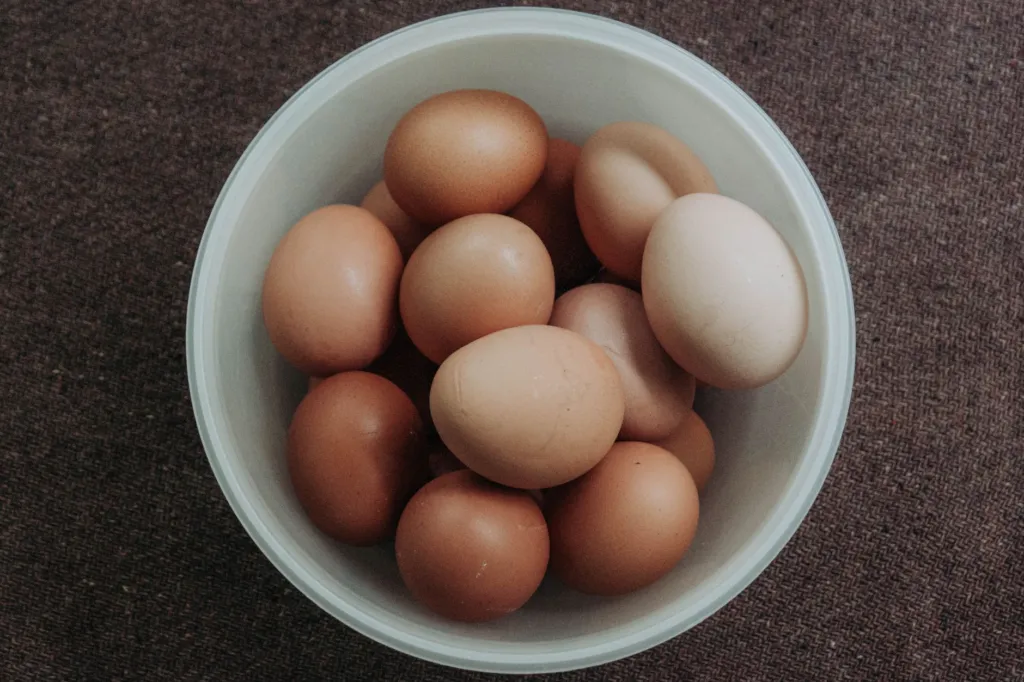
Chicken eggs are the most commonly consumed type of eggs for dogs. They are widely available and generally considered safe for canine consumption. Chicken eggs are rich in protein, essential fatty acids, and various vitamins. When feeding chicken eggs to your dog, it’s important to ensure they are fresh and properly cooked to avoid potential salmonella contamination.
Quail Eggs
Quail eggs are smaller than chicken eggs and are often touted for their unique nutritional profile. They contain higher levels of certain vitamins like B12 and A, which can contribute to a dog’s overall health. Quail eggs can be fed raw or cooked, but as with chicken eggs, it’s crucial to source them from a reputable supplier to minimize health risks.
Duck Eggs
Duck eggs are another alternative that some dog owners consider. They are richer in fat and protein compared to chicken eggs, which can be beneficial for active dogs needing extra energy. However, they also have a stronger flavor that some dogs may or may not enjoy. If introducing duck eggs, start with small amounts to observe your dog’s reaction.
- Chicken Eggs: Most common, safe when cooked.
- Quail Eggs: Nutrient-rich, smaller size.
- Duck Eggs: Higher in fat, stronger flavor.
Potential Allergies and Sensitivities
Identifying Egg Allergies in Dogs
Some dogs may develop allergies or sensitivities to eggs. Symptoms can vary widely and may include gastrointestinal upset, skin irritations, or ear infections. If you suspect your dog might be allergic to eggs, it is important to monitor their reaction after consumption. Common signs to watch for include excessive scratching, vomiting, or diarrhea.
Testing for Allergies
To accurately identify an egg allergy, a veterinarian may recommend an elimination diet. This involves removing all sources of eggs from your dog’s diet for a period of time and then gradually reintroducing them while monitoring for symptoms. Keeping a detailed food diary can also be beneficial for tracking potential reactions.
Alternatives to Eggs for Allergic Dogs
If your dog is diagnosed with an egg allergy, there are plenty of alternatives that can provide similar nutritional benefits. Some excellent substitutes include:
- Cooked chicken or turkey: High in protein.
- Fish: Provides omega-3 fatty acids.
- Legumes: Good source of protein and fiber.
- Quinoa: A complete protein source.
Consult with your veterinarian for personalized recommendations and to ensure your dog’s diet remains balanced.
Eggs as Part of a Balanced Diet
Incorporating Eggs into Homemade Dog Food
For pet owners who prepare homemade dog food, eggs can be a valuable ingredient. They can serve as a protein source while also adding essential fatty acids and vitamins. When incorporating eggs into homemade meals, it is crucial to balance them with other ingredients such as vegetables, grains, and meats to ensure a complete diet.
Eggs in Treats and Snacks
Dogs often enjoy homemade treats that include eggs. These can be baked or cooked in various forms, such as egg muffins or egg-based biscuits. Using eggs in treats allows you to control the ingredients and avoid preservatives found in commercial dog treats. A simple recipe could include:
- 1 cup of whole wheat flour
- 1 large egg
- 1/4 cup of peanut butter (ensure it’s xylitol-free)
- 1/4 cup of water
Mix the ingredients, roll into small balls or flatten, and bake at 350°F for about 15 minutes. These treats can be a nutritious snack option for your dog.
Monitoring Your Dog’s Health with Egg Consumption
When introducing eggs into your dog’s diet, it’s important to monitor their overall health and wellbeing. Regular veterinary check-ups can help assess how well your dog is adjusting to new dietary changes. Keep an eye on their coat condition, energy levels, and digestive health, as these can be indicators of how well your dog is tolerating eggs.
For many dogs, eggs can be a great addition to their diet when prepared and served correctly. However, every dog is unique, so it’s essential to personalize their diet based on their specific needs and sensitivities.
Frequently Asked Questions
Can puppies eat eggs?
Yes, puppies can eat eggs in moderation, but it’s crucial to ensure they are fully cooked. Puppies have delicate digestive systems, so always start with small portions.
What if my dog eats a raw egg?
If your dog accidentally consumes a raw egg, monitor them for any symptoms of distress, such as vomiting or diarrhea. If any adverse symptoms occur, contact your veterinarian for guidance.
How should I introduce eggs into my dog’s diet?
Introduce eggs gradually by starting with small quantities. Observe your dog for any adverse reactions before incorporating them regularly into their diet.
Are there any dogs that should not eat eggs?
Dogs with specific allergies, sensitivities, or pre-existing health conditions may need to avoid eggs. Always consult your veterinarian if you have concerns.
The Bottom Line
In summary, eggs can be a healthy and nutritious addition to your dog’s diet when prepared properly and given in moderation. They offer essential proteins and vitamins that can benefit your dog’s overall health. However, it is crucial to be aware of the potential risks, such as salmonella and allergies. Always consult with your veterinarian before introducing new foods into your dog’s diet to ensure their safety and wellbeing.
Was this article helpful?

Writer at Mad4Pets. Lifelong animal lover who turns research and vet guidance into practical tips for everyday pet parents.