Engaging Activities to Keep Your Bird Mentally Stimulated
Discover effective ways to keep your bird mentally stimulated through engaging activities and toys that promote mental health and well-being.


Key takeaways
- Birds require mental stimulation for well-being.
- Interactive toys enhance cognitive abilities.
- Routine changes keep your bird engaged.
Understanding the Importance of Mental Stimulation for Birds
Mental stimulation is crucial for the well-being of pet birds. Just like humans, birds thrive when their minds are engaged. A lack of stimulation can lead to behaviors such as feather plucking, excessive vocalization, and aggression. Therefore, understanding how to keep your bird mentally stimulated is key to providing a happy and healthy environment.
Birds are intelligent creatures. They possess problem-solving skills and have the ability to learn new tricks and behaviors. When their cognitive needs are not met, they can become bored and discontent. Giving them opportunities to explore, play, and interact is essential for their mental health.
This guide will explore various strategies and activities to keep your bird mentally stimulated. From toys to social interactions, we will cover essential tips to enrich your bird’s life.
Choosing the Right Toys for Mental Stimulation
One of the most effective ways to keep birds mentally stimulated is through toys. However, not all toys are created equal; it is important to choose the right ones that cater to your bird’s specific needs.
Types of Toys
- Foraging Toys: These toys encourage natural foraging behaviors. Birds can search for treats hidden within them, which keeps them mentally engaged.
- Interactive Toys: Toys that require birds to push, pull, or manipulate can be very engaging. Look for toys that involve problem-solving, such as puzzles.
- Chewing Toys: Birds love to chew, and providing safe chewing toys can help satisfy this instinct while also keeping them busy.
When selecting toys, consider your bird’s size and species. Some birds enjoy larger, more complex toys, while others may prefer smaller, simpler options. Rotate the toys regularly to keep the novelty alive.
DIY Toy Ideas
Creating your own toys can be both fun and cost-effective. Here are a few ideas to get you started:
- Paper Rolls: Use empty toilet paper rolls filled with treats and shredded paper for a fun surprise.
- Natural Branches: Attach small branches with leaves for birds to chew on and explore.
- Homemade Puzzle Feeders: Create a puzzle feeder using a small container and holes that allow birds to access food only after solving the puzzle.
Always ensure that the materials you use are safe for your bird. Avoid items that could be toxic, such as certain woods or plastics.

Interactive Playtime and Training
Spending time interacting with your bird is one of the best ways to provide mental stimulation. Birds are social animals that thrive on companionship.
Daily Interaction
Engage with your bird daily to foster a strong bond. You can talk to them, sing, or even dance around. Birds often enjoy mimicking sounds and can learn to imitate simple phrases.
Training Sessions
Training your bird can be an excellent way to challenge their minds. Start with simple commands like “step up” or “come here.” Use positive reinforcement, such as treats or praise, to encourage your bird.
Games and Activities
Incorporate games into your bird’s routine. Here are some fun ideas:
- Hide and Seek: Hide treats around the cage or room for your bird to find.
- Obstacle Course: Set up a mini obstacle course using perches and toys to encourage physical activity.
- Mirror Play: Birds often enjoy interacting with their reflections, so a safe mirror can provide entertainment.
Try to keep training sessions short and positive. Birds have varying attention spans, so a few minutes at a time is often sufficient.
Environmental Enrichment
Your bird’s environment plays a significant role in their mental health. A dull cage can lead to boredom, so enhancing their surroundings is crucial.
Cage Setup
Ensure your bird’s cage is spacious and well-organized. Include various perches, toys, and feeding stations. This allows your bird to move around and explore different areas.
Outdoor Time
If possible, allow your bird some supervised outdoor time. Fresh air and natural surroundings can offer new sights, sounds, and smells that stimulate their senses.
Changing the Routine
Birds appreciate routine, but introducing changes can keep their environment fresh. Here are some ways to mix things up:
- Relocate Toys: Change the position of toys and perches regularly to create new challenges.
- Food Variety: Introduce new foods periodically to keep meals interesting.
- Environmental Changes: Rearrange the cage layout every few weeks to spark curiosity.
These small adjustments can have a big impact on your bird’s mental stimulation.
Social Interaction with Other Birds
If you have multiple birds, allowing them to socialize can provide excellent mental stimulation. Birds often engage in play and grooming behaviors with one another.
Choosing Compatible Species
When introducing new birds, ensure they are compatible species. Some birds are more social than others and may thrive better in groups. It is essential to monitor their interactions to prevent aggression.
Supervised Play Dates
Organize playdates where birds can interact in a safe environment. Provide ample space and toys to prevent squabbles. This social interaction can lead to enriched behavior and reduce stress.
Observing Natural Behaviors
Allowing birds to observe each other’s natural behaviors can also be stimulating. Birds learn by watching, and seeing another bird forage or play can encourage similar behavior in your pet.

Feeding for Mental Engagement
Feeding time can be an excellent opportunity for mental stimulation. Instead of simply placing food in a bowl, try to make it more engaging.
Foraging Feeder Ideas
Use foraging feeders that require birds to work for their food. Here are some options:
- Hanging Treats: Hang fruits or veggies in a way that encourages climbing and pecking.
- Puzzle Feeders: Offer feeders that require manipulation to access food.
- Scatter Feeding: Scatter food around the cage or play area to encourage exploration.
Nutritious Variety
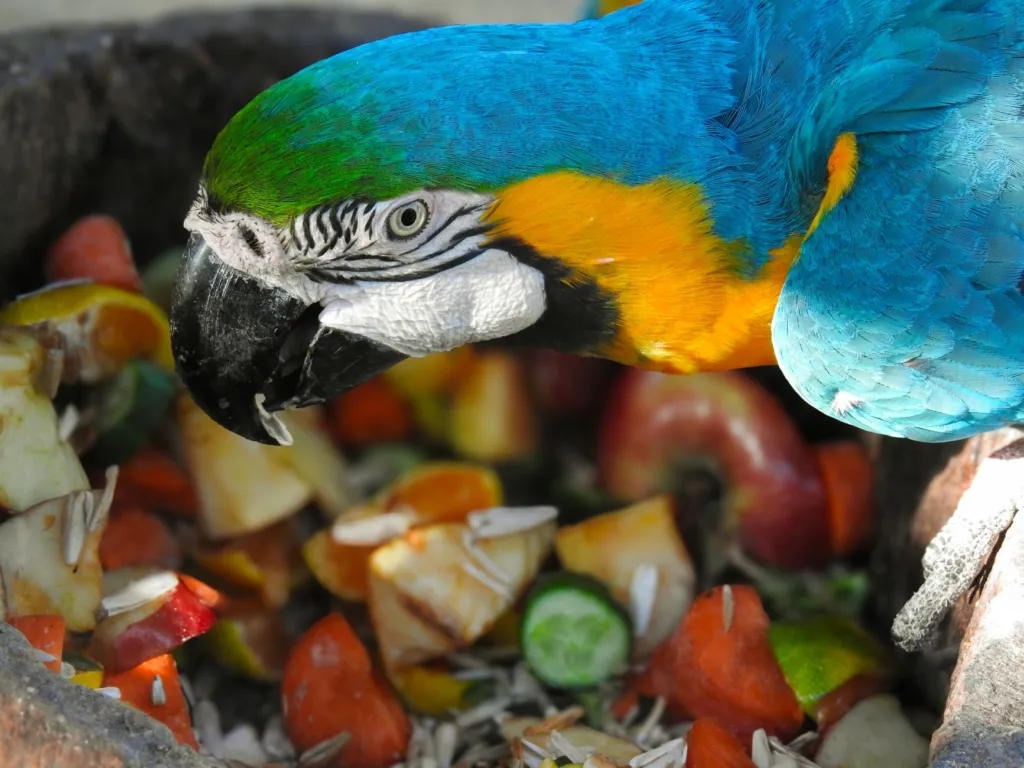
Provide a balanced diet with a variety of fruits, vegetables, seeds, and pellets. A colorful diet can be visually stimulating and encourage birds to explore different textures and tastes.
Scheduled Feeding Times
Stick to a feeding schedule to create anticipation. Birds often enjoy routine, but providing occasional surprises keeps them engaged.
Using Technology for Enrichment
In today’s digital age, technology can also play a role in enriching your bird’s life. There are various gadgets and apps designed specifically for pets.
Bird Apps
Some apps feature sounds or videos that can engage birds. Look for apps that include nature sounds or videos of other birds in their natural habitat.
Automated Toys
Consider investing in automated toys that move or make sounds. These can intrigue your bird and encourage them to interact more.
Online Communities
Join online bird communities for ideas and inspiration. These platforms often share tips on new toys, games, and routines that can keep your bird mentally stimulated.
DIY Enrichment Activities
Crafting Bird Toys
Creating your own bird toys can be a rewarding experience for both you and your feathered friend. Utilizing safe, natural materials, you can design toys that cater to your bird’s preferences while encouraging problem-solving skills. Some materials you might consider include untreated wood, rope, and various types of safe paper. Here are a few ideas for DIY bird toys:
- Wooden blocks strung together with knots in between to promote chewing.
- Paper rolls filled with shredded paper or treats that require your bird to forage.
- Rope swings with hanging beads to encourage climbing and exploration.
When crafting these toys, ensure that all materials used are non-toxic and safe for birds. Regularly inspect these toys for wear and tear to prevent any hazards that might arise from broken pieces.
Creating Foraging Opportunities
Foraging is an instinctual behavior for birds, and setting up foraging opportunities can significantly boost their mental stimulation. You can create several foraging setups using items you already have at home. A simple way to start is by hiding your bird’s favorite treats in various places around their cage or play area.
- Use paper bags or cardboard boxes filled with shredded paper, hiding treats within.
- Create a foraging tray with different compartments filled with a mix of seeds, pellets, and treats.
- Hang small mesh bags filled with greens or herbs that your bird must work to access.
Foraging not only keeps your bird entertained but also mimics their natural behaviors, thus enhancing their overall well-being.
Utilizing Outdoor Exploration
Safe Outdoor Time
Giving your bird the opportunity to explore the outdoors can provide a wealth of sensory experiences that are beneficial for their mental health. To ensure their safety, consider investing in a secure bird harness or an aviary. This way, your bird can enjoy the sights, sounds, and smells of nature while remaining safe from predators.
- Observe how your bird reacts to different environments, whether it’s grass, sand, or a garden.
- Introduce them to new plants and trees, allowing them to explore textures and scents.
- Supervise their outdoor time to prevent any unsafe encounters with other animals.
Outdoor exploration not only stimulates your bird’s mind but also provides opportunities for physical exercise and social interaction with you.
Bird-Safe Plants for Exploration
Incorporating bird-safe plants into your outdoor space can create new and exciting environments for your pet. Birds can interact with safe foliage, which allows them to forage and explore in a natural setting. Some popular bird-safe plants include:
- Basil
- Parsley
- Mint
- Spider plants
Ensure that any plants you introduce are free of pesticides and chemicals, as these can be harmful to your bird. Regularly rotate the plants to keep the experience fresh and engaging.
Utilizing Music and Sounds
The Impact of Auditory Stimuli
Birds are naturally attuned to sounds, and incorporating music or various sounds into their environment can provide significant mental stimulation. Different genres of music can evoke different responses; for example, classical music may have a calming effect, while upbeat tunes might encourage them to sing along or dance.
- Experiment with various styles, such as classical, jazz, or nature sounds.
- Create playlists that include bird calls or sounds from their natural habitats.
- Observe your bird’s reactions to different sounds to see what they prefer.
Incorporating auditory stimuli can enhance their mood and encourage vocalization, which is vital for their mental health.
Engaging with Interactive Sounds
Another way to use sound for mental stimulation is by introducing interactive toys that respond to your bird’s calls or movements. Such toys can provide instant feedback, prompting your bird to engage and explore further. Look for toys that mimic the sounds of other birds or have buttons that emit sounds when pressed.
- Choose toys that require your bird to interact physically to produce sounds.
- Incorporate sound-based puzzles that challenge your bird to solve problems while enjoying auditory feedback.
- Rotate these toys regularly to maintain your bird’s interest and engagement.
Interactive sound toys can serve as an excellent way to keep your bird mentally agile while providing hours of fun.
Frequently Asked Questions
How much time should I spend with my bird daily?
Spend at least 30 minutes a day interacting with your bird. This can include playtime, training, and simply talking to them.
Can I use human toys for my bird?
Some human toys can be safe for birds, but avoid those with small parts or toxic materials. Always ensure safety before introducing any new item.
How do I know if my bird is bored?
Signs of boredom include excessive vocalization, feather plucking, or destructive behavior. If you notice these signs, reassess their environment and activities.
Is it safe to let my bird play outside?
Yes, but always supervise outdoor play. Ensure the area is secure, and avoid any potential hazards like predators or toxic plants.
The Bottom Line
Keeping your bird mentally stimulated is vital for their happiness and well-being. By providing engaging toys, interactive playtime, and a rich environment, you can help your bird thrive.
Remember to rotate activities regularly and introduce new challenges to keep their minds sharp. With the right care, your feathered friend will lead a fulfilling and joyful life.
Always consult a veterinarian if you notice any changes in your bird’s behavior or health.[/m4p_tip>
Was this article helpful?

Writer at Mad4Pets. Lifelong animal lover who turns research and vet guidance into practical tips for everyday pet parents.