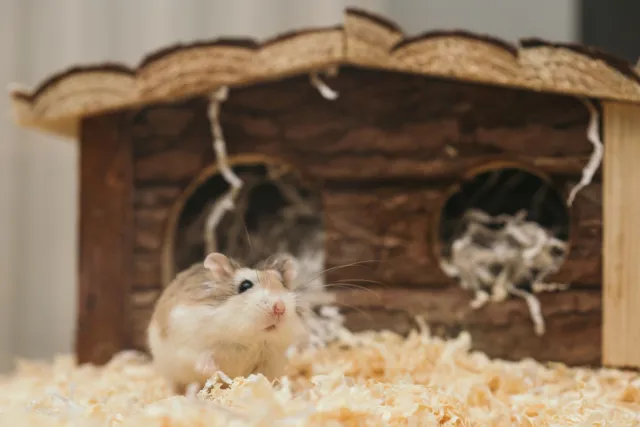
Choosing the Best Bedding for Hamsters: A Complete Guide
Discover the best bedding for hamsters, ensuring comfort and health for your furry friend with our comprehensive guide to options and tips.


Key takeaways
- Bedding impacts hamster health and comfort.
- Choose materials that are safe and absorbent.
- Regular bedding changes promote a clean habitat.
- Consider your hamster's species and behavior.
Understanding Hamster Bedding
Hamsters are small, nocturnal rodents that thrive in a comfortable and safe environment. One of the most crucial aspects of their habitat is the bedding material. The right bedding not only provides comfort but also plays a significant role in your hamster’s health and well-being. Selecting the best bedding for hamsters involves understanding various materials and their properties.
The bedding serves multiple purposes. It provides insulation to keep your pet warm, absorbs waste, and offers a soft surface for burrowing and nesting. Additionally, the type of bedding can affect the overall smell of the cage, making it essential to choose wisely.
With numerous options available, pet owners might feel overwhelmed. This guide aims to simplify the process, discussing various bedding materials, their pros and cons, and how to maintain a clean environment for your hamster.
Types of Bedding for Hamsters
1. Paper-Based Bedding
Paper-based bedding is one of the safest options for hamsters. Made from recycled paper, this bedding is highly absorbent and soft, which is ideal for your pet’s sensitive paws. It is also dust-free, reducing the risk of respiratory issues.
Some popular types of paper bedding include:
- Carefresh: Known for its excellent absorbency and odor control.
- Kaytee Clean & Cozy: Offers a fluffier texture, making it comfortable for nesting.
- PetSmart’s Paper Bedding: An economical choice, providing good absorbency.
However, paper bedding can be more expensive than other types and may require more frequent changes. It is essential to monitor your hamster’s behavior to ensure they are comfortable with it.
2. Aspen Shavings
Aspen shavings are another popular choice among hamster owners. They are made from natural wood and provide a pleasant scent while absorbing moisture effectively. Aspen is less aromatic than cedar or pine, making it a safer option.
Some advantages of aspen shavings include:
- Natural Material: Provides a more natural environment for your hamster.
- Low Dust: Reduces the risk of respiratory issues.
- Good Absorbency: Keeps the cage dry and odor-free.
On the downside, aspen shavings can be less comfortable for some hamsters, particularly if they prefer softer bedding materials. Always monitor your pet to see if they are comfortable with the texture.
3. Wood Shavings
While wood shavings can be a popular bedding option, not all types are safe for hamsters. Cedar and pine shavings can release aromatic oils that may cause respiratory issues in small animals. If you choose wood shavings, opt for aspen or untreated hardwoods.
Factors to consider when using wood shavings include:
- Absorbency: Wood shavings can be absorbent but often require frequent changes.
- Comfort: Some hamsters may find wood shavings uncomfortable.
- Odor Control: Wood shavings can help with odor control, but be cautious of the type.
Always ensure that any wood shavings used are free from chemicals and preservatives that can harm your hamster.

Choosing Safe Bedding Materials
1. Natural vs. Synthetic
When selecting bedding, consider whether you want natural or synthetic materials. Natural bedding, such as paper-based and aspen, tends to be safer for hamsters. Synthetic materials can sometimes contain chemicals that may be harmful.
Natural bedding materials are typically more absorbent and create a comfortable environment for your pet. However, they may not always control odors as effectively as some synthetic options. Balancing comfort and odor control is crucial.
2. Avoiding Harmful Substances
It is essential to avoid bedding made from harmful substances. Cedar and pine shavings are known to contain oils that can irritate the respiratory system of small pets. Always read labels carefully and choose bedding that is labeled as safe for hamsters.
Other materials to avoid include:
- Shredded newspaper: Can contain inks and chemicals that are harmful.
- Hay: While often used for food, hay can harbor dust and mold.
- Clumping cat litter: Can clump in the digestive tract if ingested.
Consult with your veterinarian if you are unsure about the safety of a bedding material.
3. Considering Your Hamster’s Species
Different hamster species may have varying preferences for bedding. For example, dwarf hamsters might prefer softer bedding materials, while Syrian hamsters may enjoy a more structured environment for burrowing.
Research the specific needs of your hamster’s species. Consider their natural habitat and behaviors when selecting bedding to create an enriching environment. Each species has unique requirements that can influence their comfort and happiness.
Maintaining a Clean Hamster Habitat
1. Regular Bedding Changes
Keeping your hamster’s habitat clean is vital for their health. Regular bedding changes help control odors and reduce the risk of bacterial growth. Depending on the type of bedding used, changes may be necessary every few days to a week.
Establishing a cleaning routine can help make this process easier. Here are some tips:
- Spot clean daily: Remove soiled bedding and waste to keep the environment fresh.
- Change bedding weekly: Replace all bedding materials regularly to prevent odors.
- Disinfect the cage: Use a pet-safe cleaner when changing bedding to eliminate bacteria.
Always ensure that the cage is thoroughly dried before adding fresh bedding to prevent mold growth.
2. Monitoring for Signs of Discomfort
It is essential to monitor your hamster’s behavior and health. If you notice changes in their activity levels or signs of discomfort, it may indicate issues with the bedding. Look for signs such as:
- Excessive sneezing or coughing: Could indicate respiratory problems.
- Refusal to burrow: May suggest discomfort with bedding texture.
- Changes in behavior: If your hamster becomes lethargic or withdrawn, reassess the bedding.
If you observe any concerning signs, consult your veterinarian for advice. They can help determine if the bedding is suitable or if a change is necessary.
3. Creating a Cozy Environment
Hamsters love to burrow and create nests. Providing enough bedding material allows them to engage in natural behaviors, promoting mental well-being. Aim for a bedding depth of at least 2 to 4 inches to enable digging.
Additionally, consider adding nesting materials like shredded paper or hay, which can enhance their nesting experience. This not only adds comfort but also encourages natural instincts, making your hamster happier and healthier.

Environmental Enrichment Through Bedding
Understanding the Role of Bedding in Enrichment
Bedding serves more than just a practical purpose in a hamster’s habitat. It also plays a crucial role in environmental enrichment, which is essential for a hamster’s mental health and well-being. Hamsters are naturally burrowing creatures, and having suitable bedding allows them to exhibit natural behaviors such as digging and nesting. This not only keeps them physically active but also mentally stimulated.
Incorporating different types of bedding can enhance your hamster’s environment. For instance, using a combination of soft and coarse materials can encourage exploration and provide a more interesting habitat. The texture and depth of the bedding can also influence the activities your hamster engages in, turning their cage into a mini adventure park.
Creative Nesting Options
Hamsters love to create nests, and the right bedding can inspire their creativity. Providing them with materials like shredded paper, hay, or even small pieces of cardboard can give them the opportunity to build elaborate nests. This not only satisfies their instinctual behaviors but also creates a cozy retreat for them to sleep and hide.
- Shredded paper: Lightweight and easy to manipulate.
- Timothy hay: Adds texture and is also edible.
- Cardboard: Can be shredded into various sizes for nesting material.
Encouraging your hamster to nest can also be achieved by placing the bedding in different areas of their cage, allowing them to choose their preferred nesting site. This simple act can lead to increased activity levels and reduce stress.
Enhancing Scent and Comfort
The scent of bedding can significantly affect your hamster’s comfort level in its habitat. Natural bedding materials like aspen shavings or coconut fiber may have a pleasant aroma that is less likely to overwhelm your pet. Some bedding options even come with added scents, which can help mask odors in the cage but should be used cautiously to ensure they are not overpowering.
It’s essential to monitor your hamster’s reaction to different scents. Some hamsters may be sensitive to strong smells, which can lead to stress. A balanced approach to scent can make a significant difference in creating a cozy environment for your pet.
Allergies and Health Considerations
Recognizing Signs of Allergies
While bedding is crucial for comfort, it is equally important to be aware of potential allergic reactions that can arise from certain materials. Signs of allergies in hamsters can include excessive scratching, watery eyes, or respiratory issues. If you notice any of these symptoms, it may be time to reassess the type of bedding you are using.
Common allergens include cedar shavings, which contain phenols that can irritate your hamster’s respiratory system. Opting for hypoallergenic bedding options such as paper-based or aspen bedding can help mitigate these risks. Always consult with a veterinarian if you suspect your hamster has developed an allergy.
Choosing Non-Toxic Bedding Options
When selecting bedding for your hamster, it is essential to choose non-toxic options. Some materials may contain chemicals or additives that can be harmful if ingested or inhaled. Always look for bedding labeled as safe for small animals, and avoid those that contain synthetic materials or artificial fragrances.
- Paper-based bedding: Biodegradable and free from harmful chemicals.
- Aspen shavings: A safe, natural alternative to cedar.
- Hemp bedding: Absorbent and eco-friendly.
By ensuring the bedding is free from harmful substances, you can create a safe environment for your hamster to thrive.
Regular Health Checks
In addition to choosing the right bedding, regular health checks are vital for your hamster’s well-being. Assess your hamster’s coat, skin, and overall demeanor regularly. This will help you catch any potential health issues early on.
During these checks, pay attention to how your hamster interacts with its bedding. If it seems to avoid certain areas or shows signs of discomfort, it might indicate problems with the bedding material. Keeping a close eye on your hamster’s behavior can help you make informed decisions about their habitat.

Customized Bedding Solutions
Layering Techniques
Creating a customized bedding solution can enhance your hamster’s environment significantly. One effective method is to layer different types of bedding. For instance, using a thick base layer of aspen shavings topped with softer paper-based bedding can create a comfortable yet stimulating habitat. This layered approach not only adds depth for burrowing but also provides varying textures for your hamster to explore.
Layering can also help with odor control, as the thicker base layer can absorb moisture and odors more effectively than a single type of bedding. Experimenting with different combinations can lead to a more enriching environment for your pet.
Seasonal Bedding Adjustments
Consider adjusting your hamster’s bedding according to the seasons. In colder months, providing extra layers of bedding can help keep your hamster warm, while during warmer months, lighter bedding may be more suitable to prevent overheating. This not only promotes comfort but also encourages more natural behaviors as your hamster adapts to seasonal changes.
- Winter: Use additional bedding to create warmth.
- Summer: Opt for thinner, more breathable materials.
Tailoring the bedding to the seasons can help maintain your hamster’s health and comfort year-round.
Incorporating Foraging Materials
To further enrich your hamster’s habitat, consider incorporating foraging materials into the bedding. Items such as dried leaves, herbs, or safe flowers can be mixed in with the bedding to mimic a more natural environment. This encourages your hamster to forage and explore, promoting both physical and mental stimulation.
Foraging materials can also provide additional nutritional benefits, depending on what is used. Ensure that any added materials are safe for consumption to avoid any health risks.
Frequently Asked Questions
1. How much bedding should I use for my hamster?
Aim for a bedding depth of 2 to 4 inches. This allows your hamster to dig and burrow comfortably.
2. Can I use regular paper towels as bedding?
While paper towels can be used temporarily, they lack absorbency and may not provide a comfortable environment long-term.
3. How often should I change my hamster’s bedding?
Change the bedding at least once a week, and spot clean daily to maintain a clean habitat.
4. Is it safe to mix different types of bedding?
Mixing bedding types can be safe, but ensure that all materials are non-toxic and suitable for hamsters.
The Bottom Line
Choosing the best bedding for hamsters is essential for their comfort and health. Options like paper-based bedding and aspen shavings provide safe, absorbent environments. Regular maintenance and monitoring are key to ensuring your hamster thrives in a clean and cozy habitat. Always consult with a veterinarian if you have concerns about your hamster’s bedding or health.
Always consult with your veterinarian if you have concerns about your hamster’s bedding or health.[/m4p_tip>
Was this article helpful?

Writer at Mad4Pets. Lifelong animal lover who turns research and vet guidance into practical tips for everyday pet parents.