How to Stop Puppy Biting: Effective Training Techniques
Learn how to stop puppy biting with effective training techniques and tips for nurturing a well-behaved dog.

Key takeaways
- Understand why puppies bite.
- Use positive reinforcement techniques.
- Provide appropriate chew toys.
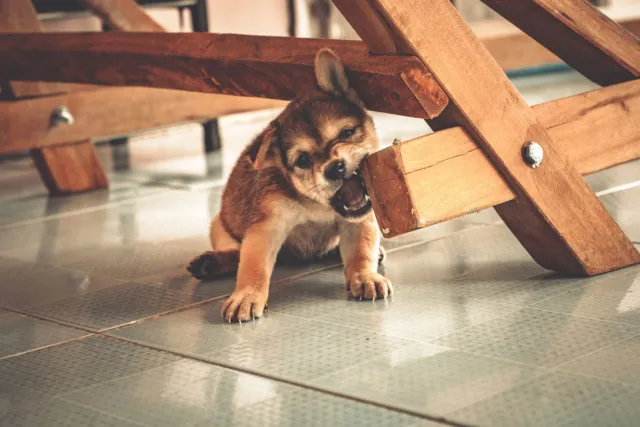
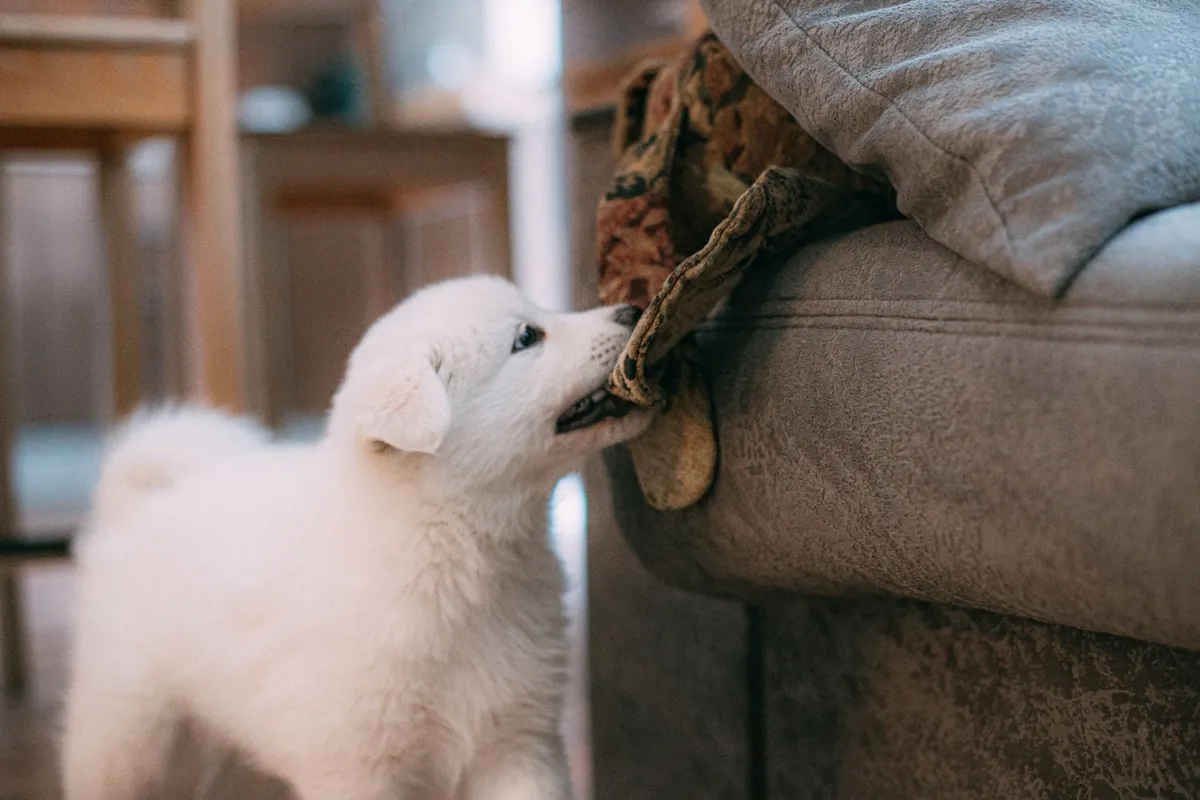
Puppy biting is a common behavior that many new dog owners face. While it can be frustrating, it’s important to understand that biting is a natural part of a puppy’s development. Puppies explore the world with their mouths, and biting often occurs during play or when they are teething.
Learning how to stop puppy biting is essential for fostering a well-adjusted dog. This guide will explore effective techniques to curb biting behavior, helping you and your puppy enjoy a harmonious relationship.
By understanding the reasons behind the biting and employing positive training methods, you can teach your puppy appropriate behaviors. With patience and consistency, you can reduce or eliminate this unwanted behavior.
Understanding Puppy Biting
Before addressing puppy biting, it’s crucial to understand why puppies bite in the first place. Puppies are naturally inclined to explore their environment, and their mouths are their primary tools for doing so. In addition to exploration, there are several reasons why a puppy may bite:
- Teething: Just like human babies, puppies go through a teething phase. This can lead to increased biting as they seek relief from discomfort.
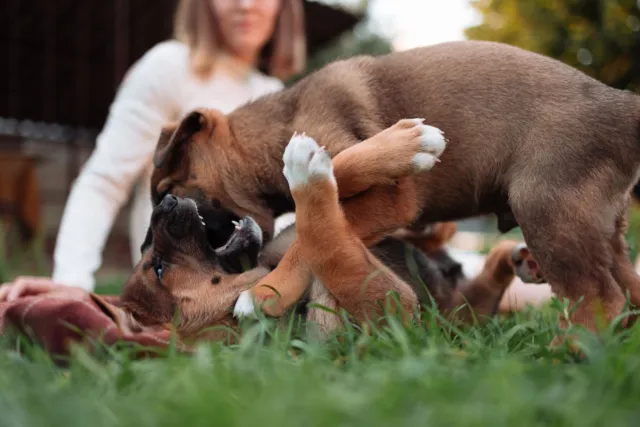
- Play Behavior: Puppies often engage in play by nipping and biting at their littermates. This behavior is normal and helps them learn bite inhibition.
- Attention-Seeking: Some puppies bite to get attention from their owners, whether it’s positive or negative attention.
Understanding these motivations can help you respond appropriately to your puppy’s biting. Instead of viewing biting solely as a nuisance, recognize it as an opportunity for training and guidance.
Normal Play vs. Aggressive Biting
It’s essential to differentiate between normal play biting and aggressive biting. Play biting is typically gentle and occurs during interaction with humans or other dogs. In contrast, aggressive biting can be characterized by:
- Growling or Snarling: Signs of aggression often include vocalizations that indicate discomfort or threat.
- Direct Eye Contact: Aggressive puppies may stare intensely, signaling a challenge.
- Body Language: A stiff body or a raised tail can indicate that a puppy is feeling threatened or defensive.
When you notice signs of aggression, it’s crucial to consult with a professional trainer or veterinarian to address these behaviors effectively.
Recognizing Bite Inhibition
Bite inhibition refers to a puppy’s ability to control the force of their bite. Puppies learn this skill when playing with their littermates. If one puppy bites too hard, the other will yelp and stop playing, teaching the biter that hard bites lead to the end of fun.
As a pet owner, you can help your puppy develop bite inhibition by:
- Yelping: If your puppy bites you too hard, let out a high-pitched yelp to mimic the response they would receive from another dog.
- Stopping Play: Immediately stop interacting with your puppy when they bite, signaling that their behavior is unacceptable.
- Redirecting: Offer a toy or chew item to redirect their biting behavior.
Effective Techniques to Stop Puppy Biting
Now that you understand the reasons behind puppy biting, let’s explore practical techniques for managing and reducing this behavior.
Positive Reinforcement Training
Positive reinforcement is a highly effective training method that encourages desired behaviors through rewards. When it comes to stopping puppy biting, this approach can be very effective. Here’s how to implement it:
- Reward Good Behavior: Whenever your puppy plays gently or interacts without biting, offer praise, treats, or affection.
- Consistency is Key: Ensure that everyone in your household applies the same rules and rewards to help your puppy understand what is acceptable.
- Be Patient: Training takes time, and consistency will lead to better results over time.
Positive reinforcement not only helps in stopping unwanted biting but also strengthens the bond between you and your puppy, making training a more enjoyable experience for both.
Providing Appropriate Chew Toys
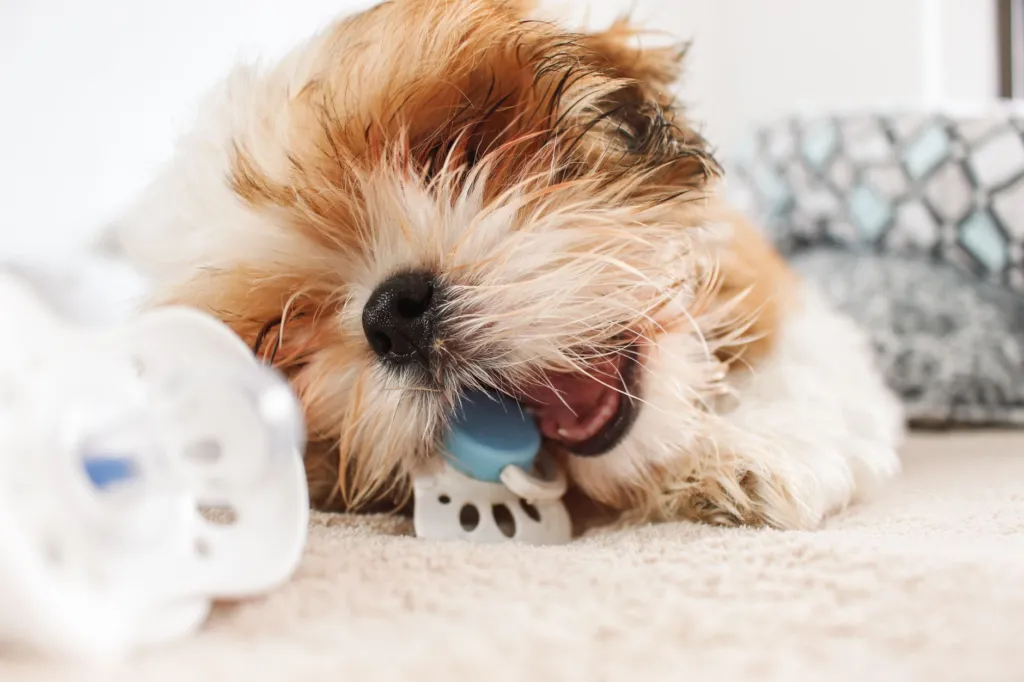
One of the simplest ways to reduce puppy biting is to provide appropriate chew toys. Chew toys can help satisfy a puppy’s natural urge to bite and chew while also protecting your belongings. Consider the following:
- Variety of Textures: Offer a range of toys with different textures to keep your puppy interested. Rubber toys, plush toys, and dental chews can all serve different purposes.
- Interactive Toys: Toys that dispense treats can keep your puppy engaged and focused on something other than biting you.
- Rotate Toys: Regularly rotating your puppy’s toys can keep them fresh and exciting, reducing the likelihood of boredom-induced biting.
By providing suitable alternatives, you can redirect your puppy’s biting behavior toward more appropriate targets.
Socialization with Other Dogs
Socializing your puppy with other dogs can be an effective way to teach bite inhibition and appropriate play behavior. Here are some tips:
- Enroll in a Puppy Class: Puppy training classes provide a controlled environment for socialization and learning.
- Arrange Playdates: Set up playdates with well-behaved dogs that can teach your puppy how to play without excessive biting.
- Supervised Play: Always supervise interactions with other dogs to ensure safe and appropriate behavior.
Socialization not only teaches bite inhibition but also helps your puppy develop important social skills.
Managing Biting Behavior
While training is essential, managing your puppy’s environment can also help reduce biting incidents. Here are some strategies:
Setting Boundaries
Establishing clear boundaries can help your puppy learn what is acceptable behavior. Consider the following:
- Designate Play Areas: Create a safe space for your puppy to play where they can explore without the risk of biting people or other pets.
- Use Baby Gates: If necessary, use baby gates to restrict access to certain areas, preventing situations where biting may occur.
- Limit Interaction: When your puppy is overly excited or tired, limit their interaction with people and other pets to avoid unwanted biting.
Setting boundaries helps manage your puppy’s behavior and creates a more controlled environment for training.
Using Time-Outs
If your puppy continues to bite despite your efforts, time-outs can be an effective management strategy. Here’s how to implement them:
- Immediate Response: If your puppy bites, immediately remove them from the situation for a brief period.
- Calm Environment: Place your puppy in a quiet area where they can calm down and reflect on their behavior.
- Short Duration: Time-outs should be brief, around 1-2 minutes, to avoid confusion.
Time-outs can help your puppy understand that biting leads to the loss of playtime and attention.
Redirecting Attention
When your puppy starts to bite, redirect their attention to something more appropriate. Here are some useful techniques:
- Use Toys: Quickly offer a toy for your puppy to chew on instead of your hand or clothing.
- Engage in Play: Initiate a game of fetch or tug-of-war to shift their focus away from biting.
- Teach Commands: Use basic commands like “sit” or “stay” to redirect their attention and reinforce good behavior.
Redirecting attention helps your puppy learn what is acceptable to bite while also providing mental stimulation.
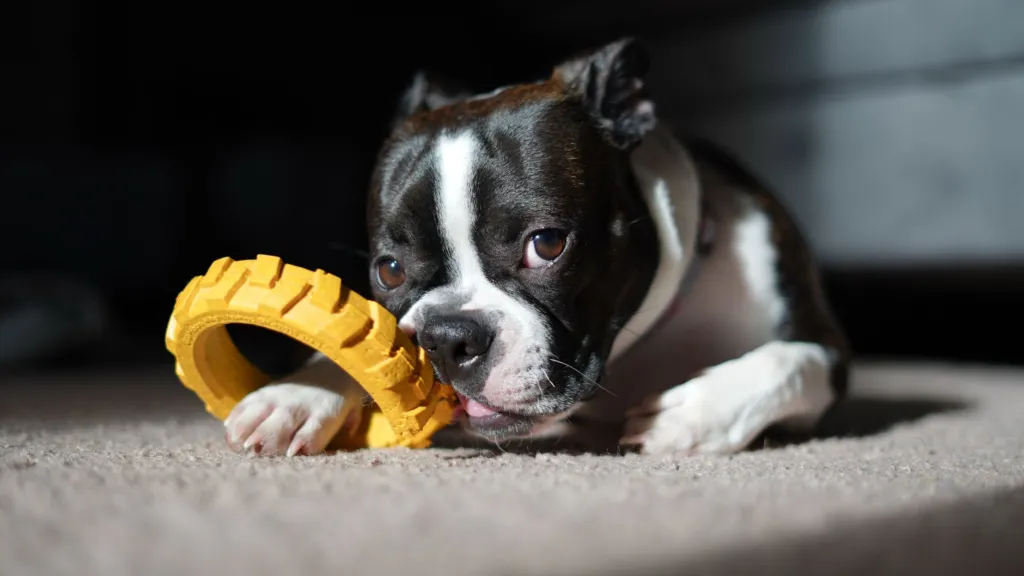
Understanding the Reasons Behind Puppy Biting
Exploring Natural Instincts
Puppies are naturally inclined to bite as part of their instinctual behavior. This tendency can be traced back to their wild ancestors who used their mouths for exploration and communication. Puppies use their mouths to interact with the world around them, and biting is a way for them to learn about their environment. Understanding this natural instinct is crucial for pet owners as it provides a foundation for addressing biting behavior.
In the wild, a puppy learns to control its bite through play with its littermates, which helps develop bite inhibition. As a pet owner, you can mimic this learning experience to help your puppy understand the limits of acceptable biting. Here are some reasons why puppies bite:
- Exploration of their environment
- Teething discomfort
- Play and social interaction
Socialization and Playtime
Socialization plays a significant role in a puppy’s development and can greatly influence biting behavior. Puppies that are not properly socialized may not learn how to interact appropriately with other dogs or people, leading to excessive biting. Early socialization involves exposing your puppy to various situations, environments, and other animals or people in a controlled manner.
Engaging in supervised playdates with other vaccinated puppies can help teach your puppy the social cues necessary for appropriate interaction. During these play sessions, observe how your puppy interacts with others and intervene if the biting becomes too rough. Remember that each play session should be a positive experience, reinforcing good behavior.
Understanding the Role of Energy Levels
Another crucial factor in puppy biting is energy levels. Puppies have a lot of pent-up energy that needs to be redirected appropriately. High energy can lead to unwanted behaviors, including biting. Ensuring your puppy gets enough physical and mental stimulation can help reduce excessive biting. Here are some tips to manage energy levels:
- Engage in daily walks and playtime
- Incorporate puzzle toys for mental stimulation
- Practice training exercises to channel energy
Positive Reinforcement Techniques
Using Treats and Praise
Positive reinforcement is one of the most effective training techniques available for managing puppy biting. When your puppy refrains from biting or displays appropriate behavior, reward them with treats, praise, or playtime. This approach encourages your puppy to repeat the desired behavior. The key is to ensure that the reward is immediate so that your puppy can connect their good behavior with the positive outcome.
Choose small, tasty treats that your puppy enjoys to reinforce the behavior effectively. Additionally, your tone of voice and body language play a significant role in positive reinforcement. Use a cheerful and encouraging tone when praising your puppy to create a lasting association between good behavior and positive feedback.
Redirecting Biting Behavior
Redirecting your puppy’s biting behavior is a proactive way to manage their instinct to bite. When you notice your puppy starting to bite, redirect their attention to a more appropriate object. For instance, a chew toy or a soft rope can be great alternatives. This not only provides an outlet for their chewing instincts but also helps them learn what is acceptable to bite.
When redirecting your puppy, make sure to choose toys that are durable and safe for their size. Avoid using your hands or feet as playthings, as this can confuse your puppy and encourage further biting. Consistency is key; always redirect to the toy and reinforce when your puppy engages with the appropriate item.
Timing and Consistency in Training
Timing is essential when it comes to training your puppy. If you want to successfully curb biting behavior, it is crucial to address it as soon as it occurs. Immediately say “no” or “ouch” in a firm but gentle manner when your puppy bites, then redirect them to a toy. This helps your puppy understand that biting leads to a negative response and provides them with an alternative.
Additionally, consistency across all family members is vital. Ensure everyone in the household follows the same training protocols to avoid confusing your puppy. If one person allows biting during play while another does not, it can hinder your puppy’s learning process and prolong the issue.
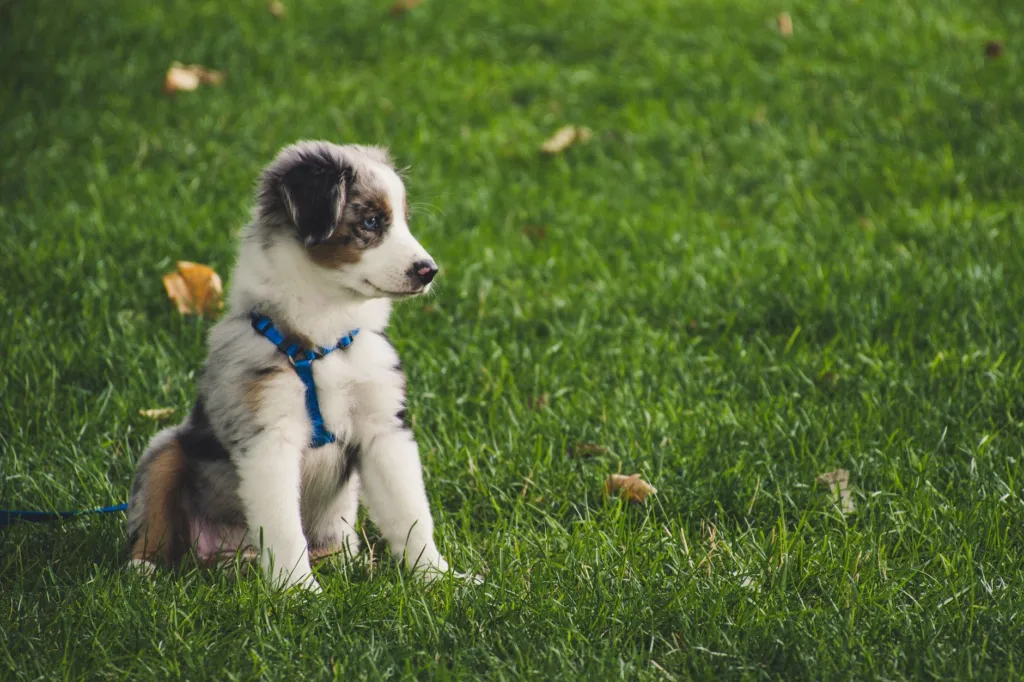
Creating a Safe Environment for Training
Designated Play Areas
Establishing a safe and controlled environment for your puppy can significantly enhance your training efforts. Designate specific areas in your home or yard for play and training sessions. This helps your puppy understand that these spaces are for appropriate behavior, including play, socialization, and training.
Using baby gates can help you control access to certain areas of your home, ensuring that your puppy does not engage in unwanted behaviors in less supervised spaces. Additionally, consider the use of crate training as a tool for creating a safe haven for your puppy when you cannot supervise them directly.
Removing Temptations and Distractions
Another important aspect of creating a safe environment is removing potential temptations and distractions that could encourage biting or unwanted behavior. Items such as shoes, cords, or small household objects can become enticing targets for a curious puppy. By minimizing these distractions, you can focus your training efforts on reinforcing good behavior.
Regularly check your home for potential hazards and keep items out of reach. Providing a selection of appropriate toys can also help keep your puppy engaged and less likely to resort to biting. Consider rotating toys to maintain your puppy’s interest and prevent boredom.
Utilizing Professional Help When Needed
If you find that your puppy’s biting behavior is persistent or overwhelming, do not hesitate to seek professional assistance. A certified dog trainer or behaviorist can offer tailored advice and strategies to address your specific situation. They can assess your puppy’s behavior and help create a comprehensive training plan that suits your needs.
Additionally, enrolling in puppy training classes can provide structured socialization opportunities while offering guidance from trained professionals. This support can enhance your confidence as a pet owner while ensuring your puppy develops into a well-mannered adult dog.
Frequently Asked Questions
Is puppy biting normal?
Yes, puppy biting is a normal behavior, especially during teething and play. They explore the world through their mouths, and with proper training, this behavior can be managed.
How long does puppy biting last?
Puppy biting can last until around six months of age when they start to mature. However, with consistent training, many puppies learn proper behavior sooner.
What should I do if my puppy bites someone?
If your puppy bites someone, stay calm and assess the situation. Ensure that everyone is safe, and consider seeking professional help if the biting is aggressive or frequent.
Can I use negative reinforcement to stop biting?
While negative reinforcement can sometimes deter behaviors, it is not the most effective method for puppy training. Positive reinforcement and redirection are typically more effective and promote a better relationship.
The Bottom Line
Stopping puppy biting is an essential part of training that requires patience and consistency. By understanding the reasons behind the behavior and employing effective techniques, you can help your puppy learn appropriate ways to interact. Positive reinforcement, providing suitable chew toys, and socialization are key components in this process. Remember that every puppy is different, and adjustments may be necessary to find what works best for your furry friend.
Was this article helpful?

Writer at Mad4Pets. Lifelong animal lover who turns research and vet guidance into practical tips for everyday pet parents.