Top 6 Reptiles Ideal for Beginner Owners
Discover the best reptiles for beginner owners and learn how to care for them effectively in this comprehensive guide.

Key takeaways
- Reptiles can be great pets for beginners.
- Choose species with manageable care needs.
- Research habitat requirements thoroughly.
- Visit a veterinarian for health concerns.
For many potential pet owners, the idea of caring for a reptile can be both exciting and daunting. Reptiles are unique creatures, each with distinct needs and behaviors. However, the right species can be a rewarding and manageable choice for beginners. In this article, we will explore the best reptiles for beginner owners, providing detailed care and habitat information to help you make an informed decision.
When considering a reptile as a pet, it is essential to understand their specific requirements. Unlike cats or dogs, reptiles often need specialized habitats, diets, and temperature controls. We will discuss some of the most suitable reptiles for novice keepers, including their maintenance needs and temperament.
Whether you’re interested in lizards, snakes, or turtles, this guide will help you navigate the world of reptiles with ease and confidence. Let’s dive into the best options available for beginner reptile enthusiasts.
1. Leopard Gecko
The Leopard Gecko is one of the most popular reptiles for beginners. Known for their docile nature and ease of care, these lizards are a great choice for first-time owners. They have a manageable size, typically growing to about 7 to 10 inches in length.
Leopard Geckos thrive in a warm, dry environment and require a temperature gradient in their enclosure. This means one side of their habitat should be warmer for basking while the other side remains cooler for thermoregulation. A simple setup with a substrate, hiding spots, and a heat source is usually sufficient.
Feeding these reptiles is straightforward. They primarily eat live insects, such as crickets and mealworms. With proper care, Leopard Geckos can live up to 20 years, making them a long-term companion.
Care Considerations
- Habitat Size: A 20-gallon tank is suitable for one Leopard Gecko.
- Temperature: Maintain a basking area at 88-92°F and a cooler side at 75-80°F.
- Lighting: They do not require UVB lighting, but a light cycle is beneficial.
2. Corn Snake
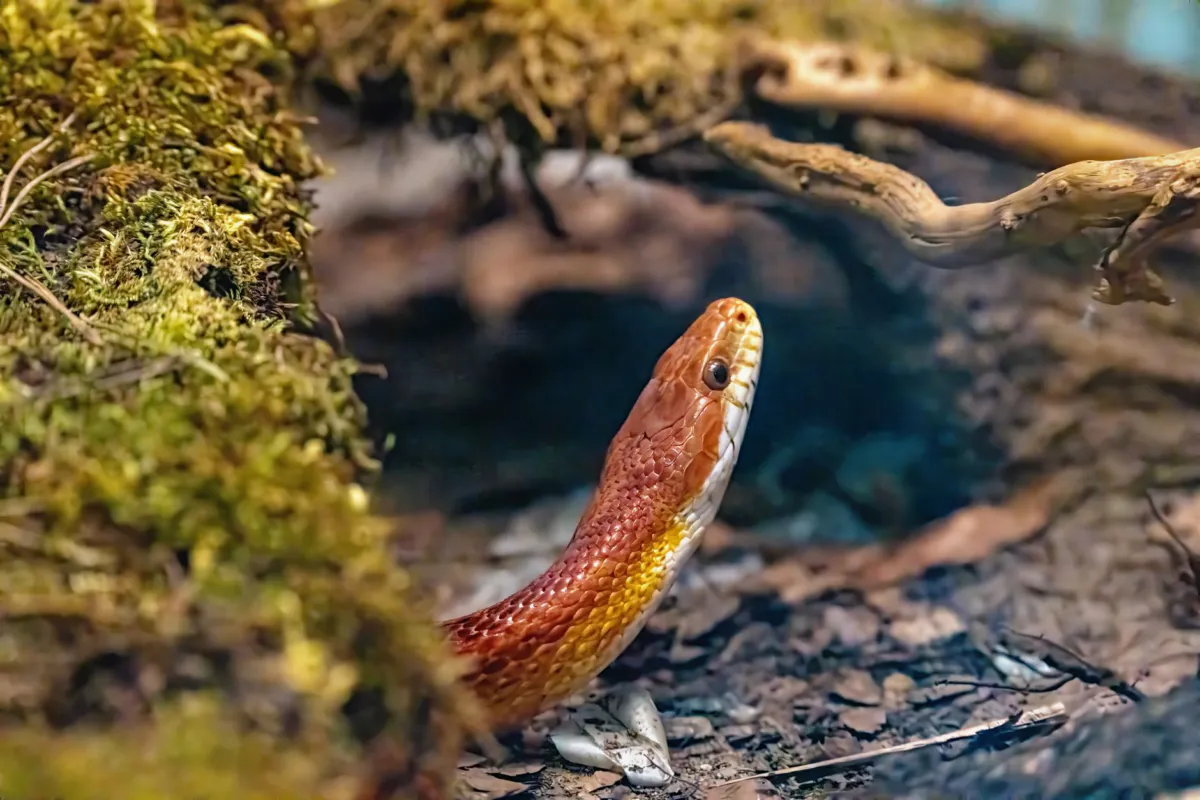
Corn Snakes are another excellent option for beginners. They are known for their gentle disposition and vibrant color patterns. Corn Snakes typically grow between 4 to 6 feet in length, making them a manageable size.
These snakes are relatively easy to care for, requiring a secure enclosure with appropriate heating. They thrive in a terrarium that mimics their natural habitat, complete with hiding spots and climbing branches. Corn Snakes are also known for being good eaters, primarily consuming frozen-thawed rodents, which can simplify feeding.
Their calm demeanor makes them suitable for handling, allowing for interaction without stress. With proper care, Corn Snakes can live up to 20 years, providing a long-time companionship.
Care Considerations
- Habitat Size: A 40-gallon tank is ideal for an adult Corn Snake.
- Temperature: Maintain a basking area around 85-90°F and a cooler side at 70-75°F.
- Feeding: Feed them every 7-14 days, depending on their age and size.
3. Russian Tortoise
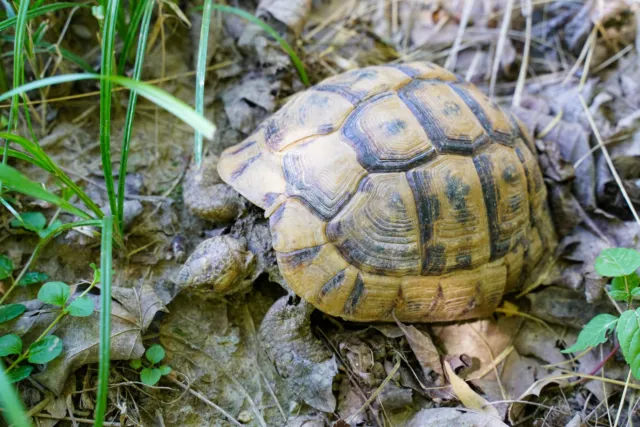
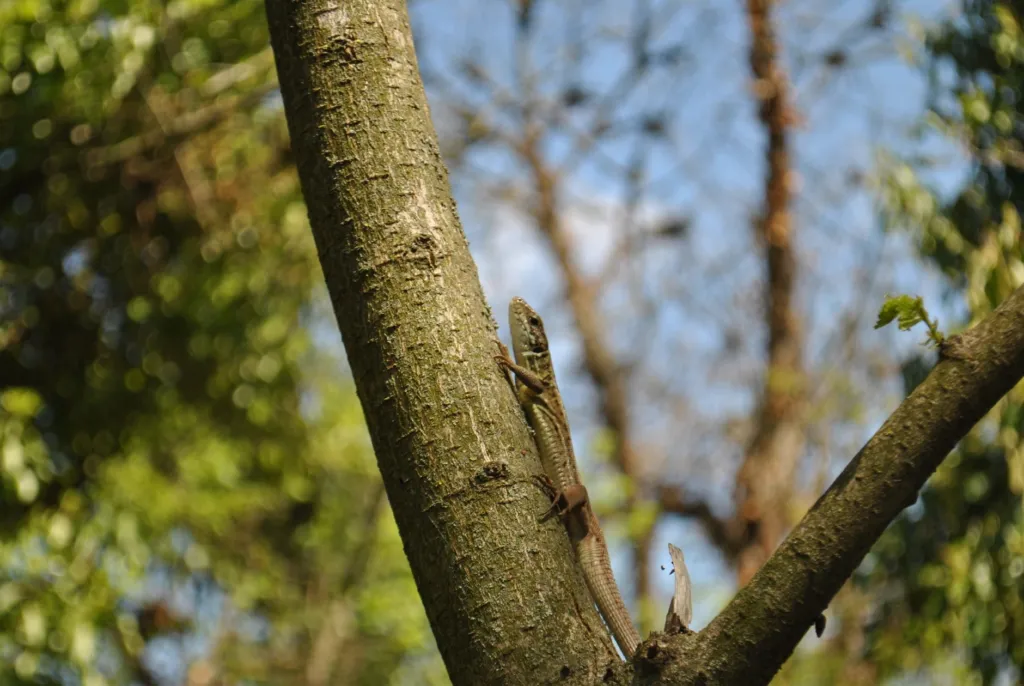
For those looking for a slow-moving companion, the Russian Tortoise is a fantastic choice. These tortoises are small, typically reaching 6 to 10 inches in length, and are known for their hardy nature. Their calm demeanor makes them suitable for families and individuals alike.
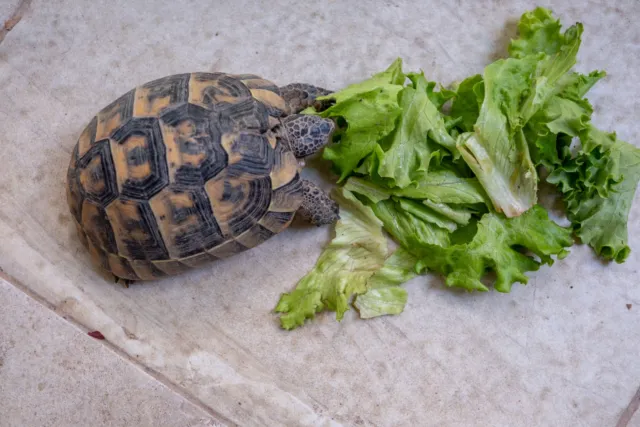
Russian Tortoises require an outdoor space or a large indoor enclosure with access to natural sunlight. They thrive in a dry environment and need a substrate that allows for burrowing. A varied diet of leafy greens, vegetables, and occasional fruits is essential for their health.
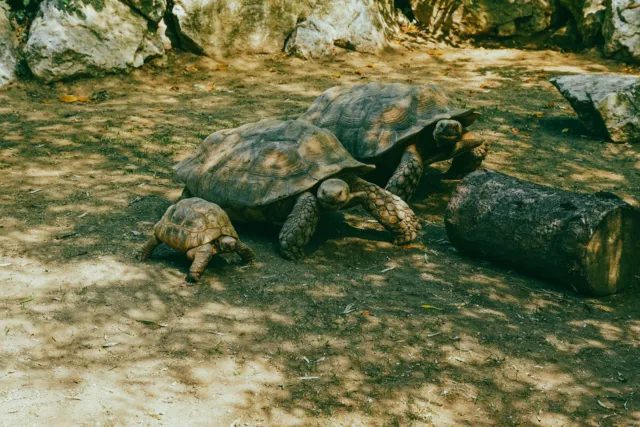
These tortoises are long-lived, often reaching 40 years or more with proper care, making them a significant commitment but a rewarding one.
Care Considerations
- Habitat Size: A minimum of 4 square feet of space is needed.
- Temperature: Maintain a basking area at 90°F and a cooler area at 70°F.
- Diet: Focus on high-fiber foods and avoid high-protein diets.
4. Bearded Dragon
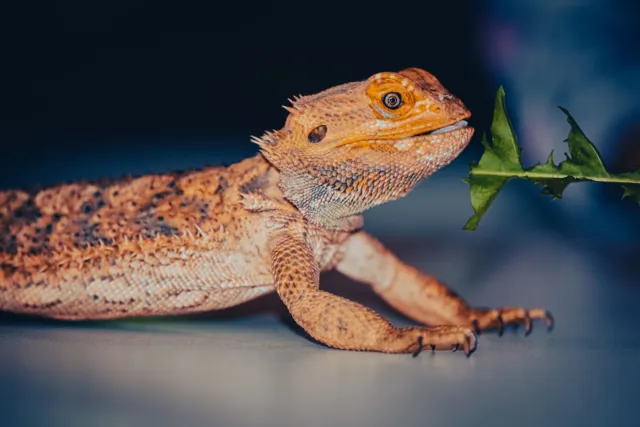
The Bearded Dragon is a beloved reptile, known for its friendly nature and interactive behavior. These lizards can grow up to 18-24 inches and often enjoy being handled, making them engaging pets for beginners.
Bearded Dragons require a larger enclosure compared to other starter reptiles, ideally a 40-gallon tank or larger. They enjoy basking under a heat lamp and also need UVB lighting to support their health. A balanced diet consisting of leafy greens, insects, and occasionally fruit is essential.
With proper care, Bearded Dragons can live for 10-15 years, providing a long-term pet experience.
Care Considerations
- Habitat Size: A 40-gallon tank is the minimum for one adult.
- Temperature: Basking area should be 95-105°F with a cooler area around 80°F.
- Diet: Feed them a mix of insects and greens for a balanced diet.
5. Green Anole
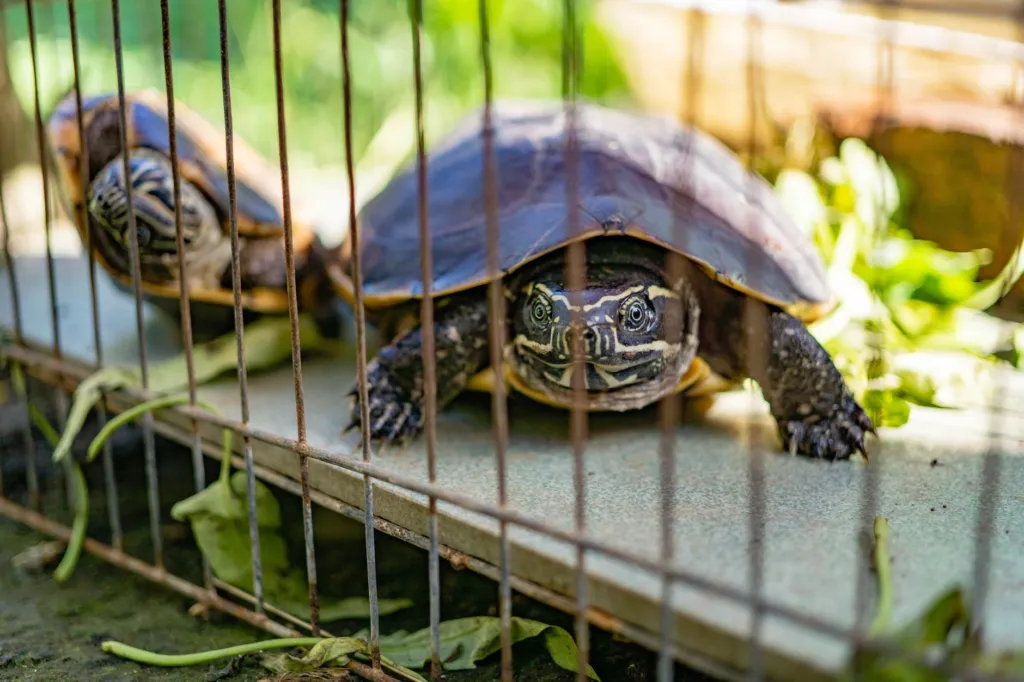
The Green Anole is a small, vibrant lizard that is perfect for beginners. Typically reaching 5 to 8 inches in length, these lizards are known for their ability to change color and their active nature. They are generally easy to care for and do not require a large habitat, making them suitable for smaller living spaces.
Green Anoles thrive in a humid environment, so a terrarium with good ventilation and a water source is essential. They primarily eat small insects, which can be easily sourced from pet stores. These lizards are not only beautiful but also fun to observe as they display their natural behaviors.
With proper care, Green Anoles can live up to 5-7 years, offering a shorter commitment compared to some other reptiles.
Care Considerations
- Habitat Size: A 20-gallon enclosure is sufficient for one Green Anole.
- Temperature: Maintain a temperature range of 75-85°F.
- Diet: Feed them small crickets or fruit flies regularly.
6. Ball Python
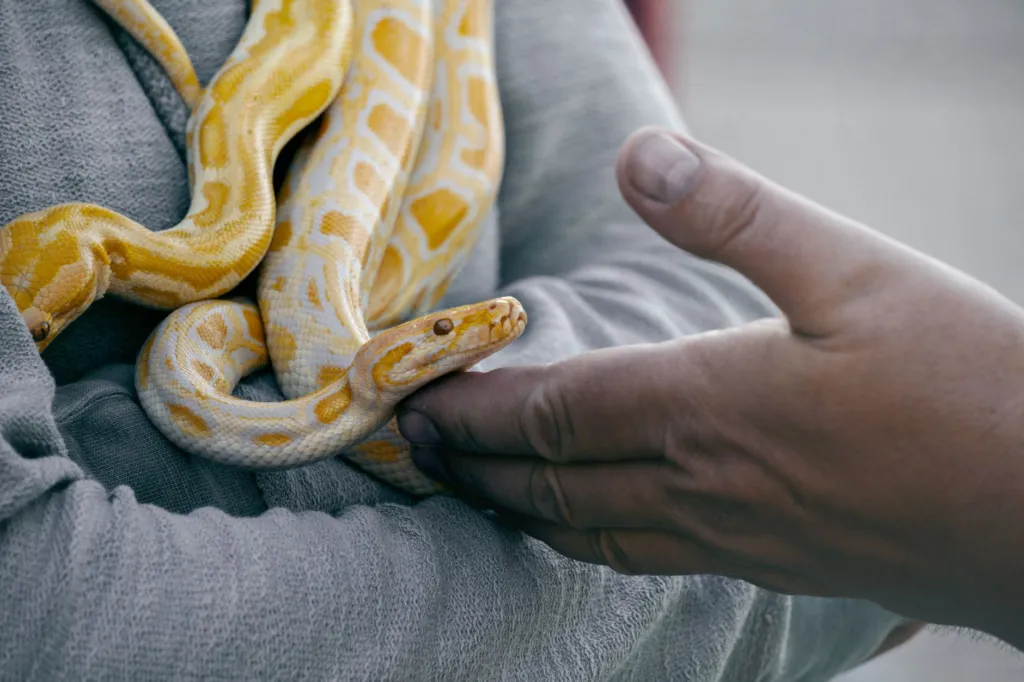
The Ball Python is a great choice for beginner snake owners. Renowned for their docile temperament, these snakes are small to medium-sized, typically growing to about 3 to 5 feet in length. Their calm demeanor makes them easy to handle, which is perfect for first-time reptile keepers.
These snakes require a secure and spacious enclosure with a warm basking area and a cooler side. Ball Pythons thrive on a diet of frozen-thawed rodents, which simplifies feeding. They are generally hardy snakes that adapt well to captive environments.
With proper care, Ball Pythons can live 20-30 years, making them a long-term pet option.
Care Considerations
- Habitat Size: A 40-gallon tank is ideal for an adult Ball Python.
- Temperature: Maintain a basking spot around 88-92°F and a cooler area at 75-80°F.
- Feeding: They should be fed every 7-14 days, depending on size and age.
7. Crested Gecko
Origin and Natural Habitat
The Crested Gecko, also known as the Eyelash Gecko, hails from New Caledonia, an island in the South Pacific. In the wild, these reptiles inhabit moist, tropical rainforests where they thrive in the trees. This arboreal lifestyle means they are excellent climbers, using their prehensile tails and specialized toe pads to navigate their environment. Understanding their natural habitat can help new owners create a proper enclosure that mimics these conditions.
Care Requirements
Crested Geckos are relatively low-maintenance, making them an ideal choice for beginners. Their enclosure should be well-ventilated and tall, as they prefer vertical space. A 20-gallon tall terrarium is usually sufficient for one adult. It is crucial to maintain a humidity level of 50-70%, using misting systems or humidity gauges to monitor levels. Providing a variety of climbing structures, such as branches and plant foliage, will keep them active and healthy.
Feeding and Diet
These geckos are primarily fruit-eaters, making their diet unique among reptiles. A staple diet for Crested Geckos includes commercially available fruit-based diets, which are nutritionally complete. Additionally, they can be offered live insects such as crickets and mealworms for protein. It’s essential to dust the insects with calcium and vitamin supplements to ensure they receive adequate nutrition. Here’s a quick list of foods suitable for Crested Geckos:
- Commercial fruit puree diets
- Crickets
- Mealworms
- Mashed bananas
- Papaya
8. Western Hognose Snake
Behavior and Temperament
The Western Hognose Snake is known for its friendly disposition and unique personality traits. Unlike many snakes, they are often described as docile and curious, making them wonderful companions for beginner owners. They are less likely to bite when handled, which alleviates some of the fears associated with snake ownership.
Enclosure Setup
For a Western Hognose, a 20-gallon aquarium is typically sufficient for an adult snake. The habitat should include a secure hiding spot, as these snakes enjoy retreating to feel safe. Substrate options like aspen shavings or paper towels work well for bedding, allowing for easy cleanup. Additionally, providing a shallow water dish for hydration is essential, and it should be changed regularly to prevent contamination.
Feeding Practices
Western Hognose Snakes are known for their preference for small rodents, and they can be fed frozen-thawed prey to ensure safety and convenience. Young snakes generally eat pinky mice, while adults can handle larger rodents. Feeding should occur every 5-7 days, and it’s important to monitor their weight and adjust the feeding schedule accordingly. Here’s a quick list of feeding tips for Western Hognose Snakes:
- Always offer thawed prey to prevent injury
- Observe the feeding response before offering food
- Avoid handling the snake immediately after feeding
- Keep a feeding schedule to prevent overfeeding
9. African Fat-Tailed Gecko
Physical Characteristics and Size
The African Fat-Tailed Gecko is a unique reptile with a stout body and a broad, flattened tail, which they use for fat storage. These geckos typically grow to a length of 7 to 9 inches, making them a manageable size for beginner owners. Their coloration can vary significantly, with patterns ranging from light to dark browns, often with beautiful spots or stripes.
Habitat Requirements
Creating an appropriate habitat for the African Fat-Tailed Gecko is crucial for their well-being. They prefer a terrestrial setup, so a 20-gallon terrarium with a secure lid is ideal. The substrate can be a mix of coconut fiber or reptile carpet, as it allows for easy cleaning and absorbs moisture. It is essential to provide hiding spots using natural caves, logs, or commercial hides to reduce stress levels.
Health and Maintenance
Like all reptiles, the African Fat-Tailed Gecko requires regular health maintenance. Monitoring their weight, skin condition, and overall activity level can help detect any potential health issues early. Routine veterinary check-ups are advised, and owners should be aware of common health concerns such as mites or respiratory infections. Here’s a list of health tips for African Fat-Tailed Geckos:
- Maintain proper humidity levels of 40-60%
- Provide calcium supplements to prevent metabolic bone disease
- Keep the enclosure clean to prevent infections
- Regularly check for signs of parasites or illness
Frequently Asked Questions
What are the easiest reptiles to care for?
The easiest reptiles for beginners include Leopard Geckos, Corn Snakes, and Bearded Dragons due to their manageable care requirements and friendly temperaments.
How much does it cost to care for a reptile?
The cost of owning a reptile can vary significantly based on species and setup. Initial costs may range from $100 to $500, including habitat, heating, and food. Ongoing monthly expenses typically range from $20 to $50.
Do reptiles need special lighting?
Many reptiles require UVB lighting to synthesize vitamin D3, which is essential for calcium absorption. This is particularly important for species like Bearded Dragons and Green Anoles.
How often do reptiles need to be fed?
Feeding frequency varies by species and age. Most reptiles need to be fed every 3 to 14 days, depending on their dietary needs and size.
The Bottom Line
Choosing a reptile as a pet can be a rewarding experience for beginners. By selecting species like Leopard Geckos, Corn Snakes, and Bearded Dragons, new owners can enjoy manageable care requirements and engaging personalities. Always ensure you research specific care needs and consult with a veterinarian for any health concerns. With the right knowledge and preparation, your journey into reptile ownership can be both enjoyable and fulfilling.
Was this article helpful?

Writer at Mad4Pets. Lifelong animal lover who turns research and vet guidance into practical tips for everyday pet parents.