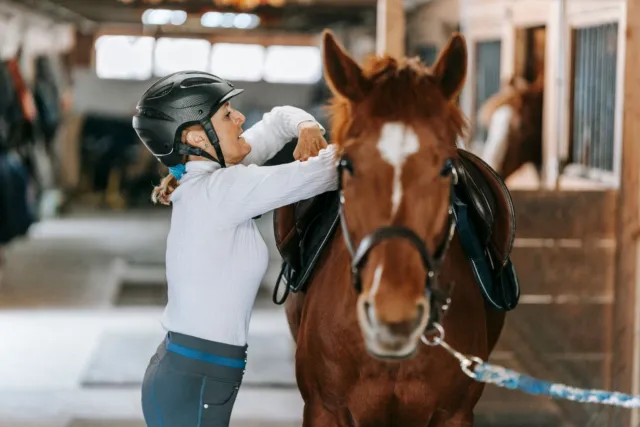
Essential Horse Riding Equipment for Beginners
Discover essential horse riding equipment for beginners to ensure safety and comfort while riding. Equip yourself and your horse for an enjoyable experience.


Key takeaways
- Safety gear is crucial for beginners.
- Comfortable riding apparel enhances the experience.
- Invest in quality tack for your horse.
- Understand the importance of proper fitting equipment.
Starting your journey into horse riding can be both exciting and overwhelming. With a vast array of equipment available, knowing what to buy can be a challenge, especially for beginners. Ensuring that you have the right horse riding equipment not only enhances your riding experience but also contributes to your safety and comfort.
This guide provides a comprehensive overview of essential horse riding equipment for beginners, including clothing, safety gear, and tack. Understanding the importance of each item will help you make informed choices that will benefit both you and your horse.
As you embark on this adventure, remember that investing in quality equipment is paramount. While it may require a higher initial investment, good gear lasts longer and performs better, ensuring a more enjoyable riding experience.
Essential Safety Gear
Safety should always be your top priority when riding. For beginners, wearing the right safety gear is essential in minimizing the risk of injury. Here are the key items you need:
- Riding Helmet: A properly fitted riding helmet is non-negotiable. Look for helmets that meet safety standards and are certified for riding. Ensure it sits snugly on your head without being too tight, and check the manufacturer’s guidelines for sizing.
- Body Protector: A body protector provides additional support and cushioning in case of falls. It’s especially useful for beginners who are still getting accustomed to their horse’s movements.
- High-Visibility Vest: If you plan to ride on roads or in dimly lit areas, high-visibility vests can make a significant difference in ensuring you are seen by others.
Choosing the Right Helmet
When selecting a riding helmet, consider the following:
- Check for safety certification labels.
- Choose a style that suits your riding discipline (e.g., English vs. Western).
- Make sure it is adjustable for a secure fit.
Riding Apparel
The right clothing enhances comfort and allows for freedom of movement while riding. Here’s what you should consider:
- Pants: Opt for riding-specific pants or breeches made of stretchy materials. These help prevent chafing and provide a snug fit while in the saddle.
- Boots: Riding boots are designed to keep your feet secure in the stirrups. Look for a style with a slight heel to prevent your foot from slipping through.
- Shirt: A fitted shirt helps you stay comfortable while allowing for breathability. Avoid loose clothing that could get caught on equipment.
Layering for Weather
Consider the weather conditions when dressing for riding:
- In cold weather, layer with thermal undergarments and waterproof outer layers.
- In hot weather, choose lightweight, moisture-wicking fabrics that keep you cool.
- Always have an extra layer on hand in case of sudden weather changes.
Basic Tack for Your Horse
Understanding the essential tack for your horse is crucial for both your safety and your horse’s comfort. Here are the must-have items:
- Saddle: A well-fitted saddle is vital. There are different types for various riding disciplines. Ensure it matches your horse’s conformation and is comfortable for you.
- Bridle: The bridle must fit your horse properly. It’s important to have the correct bit type based on your horse’s training and your riding level.
- Girth: A sturdy girth keeps the saddle securely in place. Choose one that is appropriate for your saddle type and your horse’s size.
Understanding Tack Fit
Proper fit is crucial for all tack. Here’s how to ensure everything fits correctly:
- Check for pressure points on your horse’s back from the saddle.
- Ensure the bridle is adjusted so that it sits comfortably without pinching.
- Measure your horse’s girth size before purchasing to avoid discomfort.
Comfort Accessories
Accessories can enhance comfort for both you and your horse. Consider the following:
- Stirrups: Choose stirrups that are lightweight and have a safety feature to prevent injury in case of a fall.
- Horse Boots: Protect your horse’s legs with boots that guard against injuries during training or trail riding.
- Saddle Pad: A good saddle pad helps absorb impact and provides cushioning for your horse.
Personal Comfort Items
For your comfort, consider the following accessories:
- Gloves: Riding gloves improve grip and prevent blisters.
- Chaps: These can protect your legs from the elements and add an extra layer of comfort.
- Water Bottle: Staying hydrated is crucial while riding, especially in warm weather.
Horse Care Essentials
In addition to riding equipment, basic horse care items are essential for maintaining your horse’s health and comfort. Here’s a list of necessary supplies:
- Brushes: A set of grooming brushes is vital for keeping your horse clean. This typically includes a curry comb, stiff brush, and soft brush.
- Hoof Pick: Regular hoof care is essential to prevent issues. A hoof pick helps remove dirt and debris from your horse’s hooves.
- First Aid Kit: Always be prepared by having a first aid kit specifically for horses. Stock it with antiseptic, bandages, and other essential items.
Grooming Tools
Grooming is an essential part of horse care. Consider these tools:
- Detangling spray to manage knots in your horse’s mane and tail.
- A soft cloth for cleaning sensitive areas like the eyes and muzzle.
- A sweat scraper to remove excess water after bathing.

Budgeting for Equipment
As a beginner, budgeting for horse riding equipment is important. Here are tips to help manage your expenses:
- Prioritize Safety: Always allocate funds for safety gear first.
- Consider Second-Hand Options: Many beginners find quality second-hand gear that is still in great condition, especially for items like saddles and bridles.
- Invest Wisely: While it may be tempting to buy the cheapest option, focus on quality gear that will last longer and provide better performance.
Creating a Budget
To create a budget, list all necessary items and research average prices. Here’s a simple breakdown:
| Item | Estimated Cost |
|---|---|
| Riding Helmet | $50 – $300 |
| Saddle | $300 – $2,000 |
| Bridle | $50 – $200 |
| Riding Boots | $100 – $400 |
| Grooming Supplies | $30 – $100 |
Choosing the Right Riding School
Understanding Different Riding Disciplines
When starting your journey in horse riding, it is crucial to understand the various disciplines available. Each discipline has its own set of skills, techniques, and equipment, potentially influencing the type of lessons you should seek. Common disciplines include dressage, jumping, western riding, and eventing. Each offers unique experiences and challenges, emphasizing different aspects of riding and horse care.
For instance, if you are interested in dressage, you will focus on developing precision and harmony between horse and rider. On the other hand, jumping emphasizes agility and speed. Researching these disciplines can help you choose a riding school that aligns with your interests and goals.
- Dressage
- Jumping
- Western Riding
- Eventing
What to Look for in a Riding School
Choosing the right riding school can set the foundation for your riding journey. Look for a school that has qualified instructors with experience in the discipline you wish to pursue. It’s ideal if the instructors are certified by recognized equestrian organizations, as this indicates a commitment to safety and education.
Additionally, consider the school’s facilities and the condition of their horses. A well-maintained riding school will have clean stables, well-cared-for horses, and appropriate riding arenas. Visiting the school beforehand can give you a better idea of the environment and whether it feels welcoming and safe.
- Qualified instructors
- Well-maintained facilities
- Positive reviews from current or past students
- Availability of suitable horses for beginners
Trial Lessons and Assessments
Most riding schools offer trial lessons, which can be a great opportunity to assess the teaching style and environment of the school. During a trial lesson, pay attention to how the instructor interacts with students and horses. A good instructor will prioritize safety while also working to build your confidence as a beginner.
After a few trial lessons, it’s advisable to assess your own comfort level and progress. Consider how you felt during the lessons and whether you received adequate feedback. Remember that the right school can significantly enhance your learning experience and overall enjoyment of horse riding.
Understanding Horse Behavior and Communication
The Basics of Equine Behavior
As a beginner, it’s essential to understand horse behavior to ensure a safe and enjoyable riding experience. Horses are prey animals, meaning they have instinctual reactions to perceived threats. Recognizing common horse behaviors, such as flight response, can help you understand when a horse may be feeling nervous or threatened.
Learning about body language is also vital. Horses communicate a lot through their posture, ear position, and tail movement. For example, a horse with ears pinned back may be feeling hostile or uncomfortable, while relaxed ears indicate a calm demeanor. Understanding these signals can help you build a better relationship with your horse and make riding safer.
- Ears: Forward (interested), Back (aggressive or annoyed)
- Body posture: Relaxed (calm), Tensed (anxious)
- Tail: Swishing (irritated), Still (calm)
Building Trust with Your Horse
Establishing trust between you and your horse is crucial for effective communication and a successful riding experience. Spend time with your horse outside of riding to build this bond. Activities such as grooming, feeding, and simply being near the horse can help create a positive relationship.
Use positive reinforcement techniques, such as treats and gentle praise, to encourage desirable behaviors. Horses respond well to consistency and patience. The more time you invest in building trust, the more responsive and relaxed your horse will become while riding.
- Spend time grooming and caring for your horse
- Use treats to reward good behavior
- Be consistent in your interactions
Recognizing Signs of Stress or Discomfort
Being able to recognize when a horse is stressed or uncomfortable is vital for your safety and the horse’s well-being. Signs of stress can include excessive sweating, pawing at the ground, or attempting to flee. It is essential to be observant and responsive to these signs to prevent accidents.
If you notice your horse showing signs of discomfort, it is crucial to address the situation immediately. This might involve stepping back, taking a break, or checking your tack for fit and comfort. An aware and responsive rider can significantly enhance the experience for both horse and rider.
- Excessive sweating
- Pawing or fidgeting
- Attempts to flee or move away
Essential Maintenance for Riding Equipment
Regular Cleaning and Care
Proper maintenance of your riding equipment is essential for both longevity and safety. Regular cleaning should be part of your routine after each use. For saddles and bridles, use a damp cloth to remove dirt and sweat, followed by conditioning products to keep the leather supple and prevent cracking.
For synthetic tack, a simple wipe down with a mild soap solution can suffice. Ensure all straps, buckles, and fittings are in good condition, as worn or broken equipment can lead to accidents while riding. Investing in good quality cleaning supplies can make the process easier and more effective.
- Leather cleaner and conditioner
- Saddle soap
- Soft brushes and cloths
Inspecting for Wear and Tear
Regular inspection of your equipment for signs of wear and tear is crucial to ensure safety while riding. Look for frayed edges on straps, cracks in leather, or rust on metal parts. If you notice wear, it is often more cost-effective to repair or replace individual components rather than the entire piece of equipment.
Additionally, periodically check the fit of your tack on your horse. As horses can change shape due to weight fluctuations, it is important to ensure that your tack still fits correctly to avoid discomfort for your horse. A poorly fitting saddle or bridle can lead to significant issues during riding.
- Check straps for fraying
- Look for cracks in leather
- Inspect metal parts for rust
Storage Best Practices
How you store your riding equipment can greatly impact its lifespan and condition. Always store your tack in a cool, dry place to prevent mold and mildew growth. If possible, keep it covered with a breathable cover to protect it from dust and sunlight.
Consider investing in a tack rack or wall hooks to keep your equipment organized and easily accessible. Proper storage not only keeps your equipment safe but also allows you to quickly identify any issues that may arise.
- Store in a cool, dry area
- Use breathable covers
- Organize with racks or hooks
Frequently Asked Questions
What equipment do I really need to start riding?
As a beginner, the essential equipment includes a riding helmet, appropriate footwear, a saddle, and bridle for your horse. Safety gear is crucial.
Can I use my regular boots for riding?
While you can use regular boots, it is not recommended. Riding boots are designed to prevent slipping in the stirrups and provide better support.
How do I know what size saddle to buy?
To determine the right saddle size, you need to measure your horse’s withers and back. Consulting with a professional is advisable to ensure a proper fit.
Is it necessary to buy new equipment?
Not necessarily. Many beginners find high-quality second-hand equipment that is still in good condition. Just ensure it meets safety standards.
The Bottom Line
Equipping yourself with the right horse riding equipment is essential for a safe and enjoyable experience. Focus on safety gear, comfortable riding apparel, and well-fitted tack. Remember to budget wisely and prioritize quality over cost. With the right equipment, you can embark on your horse riding journey with confidence.
Was this article helpful?

Writer at Mad4Pets. Lifelong animal lover who turns research and vet guidance into practical tips for everyday pet parents.