Best Small Pets for Kids: Safe, Easy Starter Pets by Age
The best small pets for kids by age, from guinea pigs to hamsters and more, with care time, handling tips and how to keep children and pets safe.


Key takeaways
- Small pets can be ideal companions for children.
- Each type of pet has unique care requirements.
- Proper supervision is essential when children interact with pets.
- Teaching children responsibility through pet care can be rewarding.
Choosing a pet for your child can be a rewarding experience for the entire family. Small pets are often viewed as ideal companions for children due to their manageable size, gentle nature, and relatively simple care requirements. Understanding what makes a good small pet and the unique characteristics of each type can help you make an informed decision.
In this guide, we will delve into various small pets suitable for children, discussing their care needs, temperament, and how they can enrich your child’s life. By selecting the right pet, you can foster a sense of responsibility, empathy, and companionship in your child.
From fluffy rabbits to curious hamsters, each small pet has something special to offer. Let’s explore the best options for your young pet owner.
Hamsters
Hamsters are popular choices for families with children. They are small, easy to care for, and generally have friendly personalities. There are several breeds, including the Syrian hamster, which is larger and can be kept alone, and dwarf hamsters, which are smaller and often prefer to live in pairs.
Hamsters are nocturnal, meaning they are most active during the night. This can be a fun aspect for children who enjoy watching them play in their cages. However, it also means that they may not be the best choice for very young children who want a pet that is active during the day.
When caring for hamsters, children can learn valuable lessons about responsibility. Tasks such as feeding, cleaning the cage, and handling the pet can provide a sense of accomplishment and routine. Parents should supervise interactions, especially with younger children, to ensure safety for both the child and the pet.
Care Requirements
- Cage: A spacious cage with proper ventilation and secure locks.
- Diet: A balanced diet of hamster pellets, fresh vegetables, and occasional treats.
- Exercise: Include a running wheel and toys to keep them entertained.
Guinea Pigs
Guinea pigs are friendly and social animals, making them excellent pets for children. They thrive on interaction and are known for their gentle nature. Unlike hamsters, guinea pigs are diurnal and are generally active during the day, making them a better fit for families with kids who want to play and interact with their pets.
These small pets come in various breeds, each with unique fur types and personalities. Guinea pigs can be kept alone, but they often thrive in pairs or small groups. This social aspect can teach children about companionship and the importance of social interaction.
Guinea pigs also require regular grooming, which can be a fun activity for children. They need a diet rich in hay, fresh vegetables, and vitamin C supplements to stay healthy. Parents should help younger children with the feeding process to ensure they understand the right portions and types of food.
Care Requirements
- Cage: A large, well-ventilated cage with plenty of space for movement.
- Diet: A diet consisting of timothy hay, pellets, and various fresh vegetables.
- Socialization: Regular handling and interaction are essential for their well-being.
Rabbits
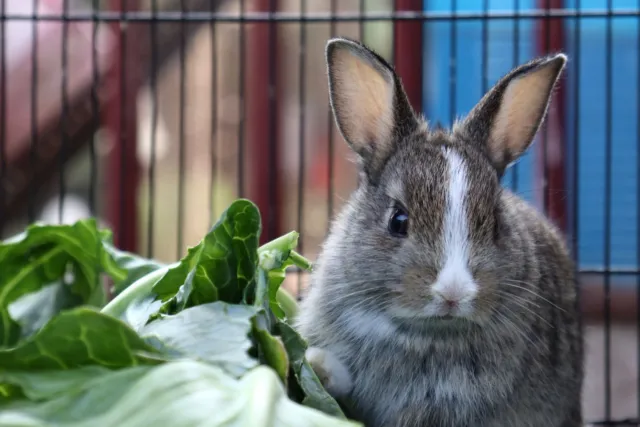
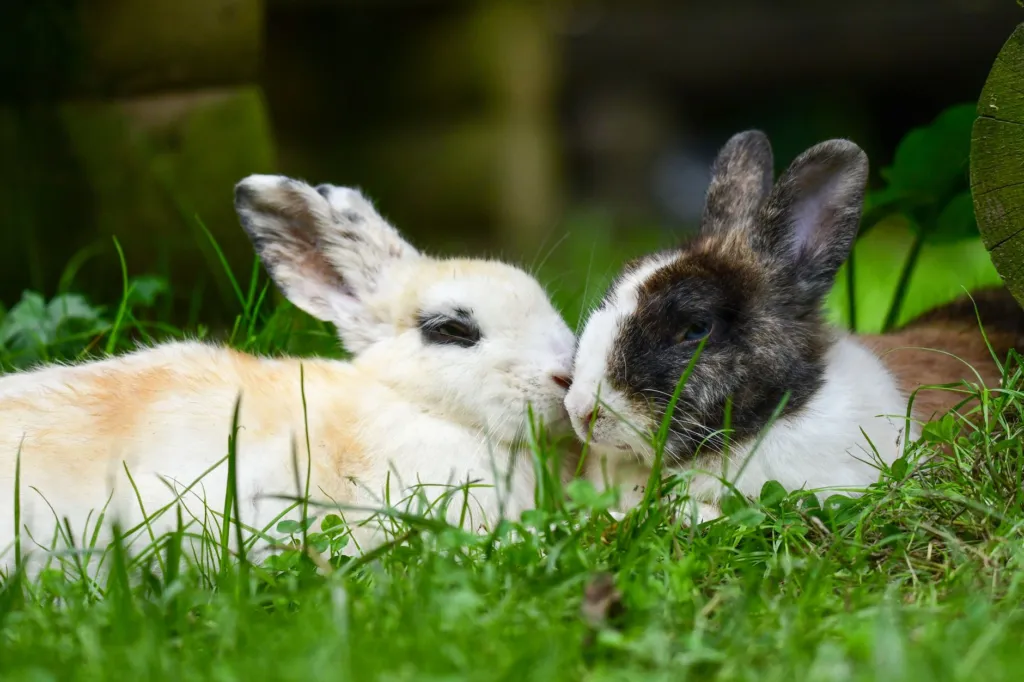
Rabbits are affectionate and intelligent pets that can form strong bonds with their owners. They are larger than hamsters and guinea pigs but are still considered small pets. Rabbits require ample space to hop around, making them suitable for families with enough room.
These animals have distinct personalities and can be litter-trained, which aids in their care. Rabbits enjoy interaction and can learn tricks, providing an engaging experience for children. However, they can also be shy and may require gentle handling.
It’s important to supervise young children when they interact with rabbits, as they can be easily startled. Teaching children to approach rabbits calmly will help create a trusting relationship between the pet and the child.
Care Requirements
- Cage: A spacious enclosure that allows for hopping and stretching.
- Diet: A diet high in hay, supplemented with fresh vegetables and pellets.
- Exercise: Daily out-of-cage time for exercise and exploration.

Ferrets
Ferrets are playful and curious pets, often full of energy. They have a mischievous nature that can be entertaining for children. Ferrets are social animals and generally enjoy the company of their human families. However, their energetic behavior can be a challenge for very young children who may not understand how to interact safely.
When introducing a ferret to your home, it’s essential to create a safe environment. Ferrets are known for their ability to squeeze into tight spaces and can be escape artists. Children should be taught the importance of keeping doors and cages secure.
Ferrets require regular playtime outside of their cage to stay healthy and happy. They enjoy toys and games that stimulate their natural instincts. Supervised playtime can be a great bonding experience for children and their ferret.
Care Requirements
- Cage: A multi-level cage is ideal for climbing and exploring.
- Diet: A high-protein diet specifically formulated for ferrets.
- Exercise: Daily playtime outside the cage and stimulation with interactive toys.
Chinchillas
Chinchillas are unique small pets known for their soft, dense fur. They are generally quiet and require less interaction than other small pets, making them suitable for families who prefer a more low-maintenance pet. However, they do need ample space to jump and play.
These animals are nocturnal, so they are most active during the night. This can be a fun aspect for children who enjoy watching them explore their environment at night. Chinchillas are playful and can be trained to perform tricks, which can help keep children engaged.
Chinchillas require a specific diet and should be provided with high-quality hay and pellets. Their sensitive digestive systems mean that any changes in their diet must be made gradually. Children can learn about nutrition and care through responsible chinchilla ownership.
Care Requirements
- Cage: A large cage with multiple levels and plenty of room to jump.
- Diet: A diet rich in hay, pellets, and occasional treats.
- Dust baths: Regular dust baths are essential for maintaining their fur.

Choosing the Right Small Pet
When selecting a small pet for your child, consider several factors to ensure a good match. Each pet has different care requirements, personalities, and social needs. Here are some key considerations to help you make the right choice:
Age of the Child
The age of your child plays a significant role in determining the best pet for your family. Younger children may benefit from pets that are easier to handle, such as guinea pigs or rabbits. Older children may enjoy the challenge and responsibility of caring for a ferret or hamster.
Time Commitment
Different pets require varying levels of care and attention. Take into account how much time your family can devote to pet care. For example, hamsters and guinea pigs may require daily interaction, while chinchillas might be more independent.
Living Space
Consider the size of your home and the space available for a pet. Some small pets, like rabbits, require more room to roam, while others, like hamsters, can thrive in smaller spaces. Ensure you have an adequate setup to accommodate your chosen pet comfortably.
Allergies
Before bringing a pet into your home, it’s crucial to consider any allergies within your family. Some small pets may trigger allergies, so it’s wise to spend time around the potential pet before making a decision.
Teaching Children About Pet Care
One of the most rewarding aspects of having a small pet is the opportunity to teach children about responsibility and empathy. Involving them in pet care can foster a sense of ownership and respect for animals. Here are some practical tips for teaching children about pet care:
Engagement in Daily Tasks
Involve your child in daily pet care routines, such as feeding, cleaning the cage, and providing fresh water. This involvement gives them a sense of purpose and helps them understand the needs of their pet. Make sure tasks are age-appropriate and supervised by an adult when necessary.
Understanding Animal Behavior
Teach your child to recognize the signs of a happy and healthy pet. Discuss how to approach and handle the pet gently, emphasizing the importance of respect for the animal’s space. This understanding will help your child develop a bond with their pet.
Creating a Routine
Establish a consistent routine for pet care that your child can follow. This structure can help them develop responsibility and understand the importance of commitment. Consider using a chart to track tasks and celebrate achievements in pet care.
Exotic Small Pets for Adventurous Families
Leopard Geckos
Leopard geckos are an excellent choice for families looking to introduce their children to reptiles. These lizards are known for their docile nature and vibrant colors, making them appealing to young pet owners. They are relatively easy to care for, requiring a simple habitat setup with a heat source and some hiding spots. Unlike some other reptiles, leopard geckos are nocturnal, which means they can be handled during the evening, providing an engaging pet experience.
- Temperature Requirements: 75-90°F
- Diet: Insects such as crickets and mealworms
- Handling: Gentle and friendly, suitable for children
Fancy Mice
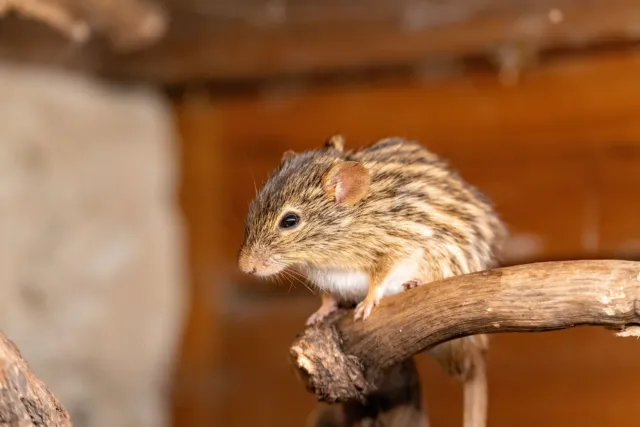
Fancy mice are small, social animals that thrive in pairs or small groups, making them perfect for children who want to learn about social behavior in pets. They are playful and curious, often engaging with their owners during playtime. The care requirements for mice include a spacious cage with plenty of enrichment, such as tunnels and toys, to keep them entertained. Children can also participate in feeding, cleaning, and observing their antics.
- Social Needs: Best kept in pairs
- Diet: High-quality rodent pellets, fruits, and vegetables
- Life Span: 1.5 to 3 years
Understanding the Care Needs of Small Pets
Health and Wellness
Each small pet has specific health and wellness needs that children should learn about. Regular check-ups with a veterinarian experienced in exotic animals are essential to ensure that your pet stays healthy. Children can help by keeping a health log for their pet, noting anything unusual such as changes in behavior, eating habits, or appearance. Teaching kids to recognize signs of illness prepares them for responsible pet ownership.
- Common Signs of Illness: Lethargy, loss of appetite, abnormal feces
- Preventative Care: Regular vet visits, proper diet, and clean habitats
Grooming and Hygiene
Grooming is another critical aspect of pet care that children can learn. Depending on the pet, grooming may include brushing fur, trimming nails, or cleaning their living space. Children can be taught the importance of hygiene in preventing health issues for their pets. Engaging them in the grooming process fosters a bond between the pet and the child, while also instilling a sense of responsibility.
- Grooming Tools Needed: Brushes, nail clippers, cleaning supplies
- Frequency of Grooming: Varies by species; check specific needs
Creating an Enriching Environment for Small Pets
Habitat Setup
Creating a suitable habitat for small pets is crucial for their well-being. The enclosure should mimic their natural environment as much as possible, providing areas for hiding, climbing, or burrowing. Children can participate by helping to set up the cage and decorating it with safe toys and accessories. This involvement not only educates them about the animal’s needs but also enhances their creativity.
- Essential Habitat Features: Hiding spots, climbing structures, bedding
- Recommended Cage Size: Varies by species; refer to specific guidelines
Interactive Play and Stimulus
Interactive play is essential for small pets as it promotes mental and physical health. Parents can encourage their children to engage with their pets through structured playtime, using toys that stimulate the animal’s natural instincts. For example, using tunnels for hamsters or providing climbing toys for mice can keep them active and happy. This shared activity can help children develop empathy and understanding of animal behavior.
- Types of Interactive Toys: Tunnels, balls, climbing structures
- Benefits of Play: Reduces boredom, encourages exercise, strengthens the pet-owner bond
Frequently Asked Questions
What is the easiest small pet for a child to care for?
Hamsters and guinea pigs are often recommended as easy small pets for children. They have straightforward care requirements and can be easily handled with supervision.
Are small pets safe for young children?
Many small pets can be safe for young children, especially if supervised. It is essential to teach children how to interact gently and respectfully with their pets to avoid stress for the animal.
How much space do small pets need?
The space required varies by pet type. Hamsters and gerbils need smaller cages, while rabbits and guinea pigs require larger enclosures with room to move and play.
Can children be responsible for pet care?
Yes, children can learn responsibility through pet care. Age-appropriate tasks can be assigned, and parental guidance can help ensure the pet’s needs are met.
The Bottom Line
Choosing the right small pet for your child can lead to a fulfilling experience for both your family and the pet. Consider the pet’s care needs, your child’s age, and your family’s lifestyle when making your decision. With the right guidance and care, small pets can provide companionship, teach valuable life lessons, and create lasting memories for children.
Was this article helpful?

Writer at Mad4Pets. Lifelong animal lover who turns research and vet guidance into practical tips for everyday pet parents.