How to Prevent Fleas on Dogs: Year-Round Protection Plan
How to prevent fleas on dogs all year: choosing a vet-approved preventive, treating your home and yard, and spotting the early signs of fleas.


Key takeaways
- Regular grooming can help detect fleas early.
- Use vet-approved flea prevention products consistently.
- Maintain a clean and flea-free home environment.
- Consult your vet for personalized flea prevention strategies.
Fleas are more than just a nuisance for dogs; they can cause serious discomfort and health issues if not addressed promptly. These tiny parasites thrive in warm, humid environments and can quickly infest your home if not managed. Understanding how to prevent fleas on your dog is essential for maintaining their health and comfort.
In this guide, we will explore various methods to keep fleas at bay, including grooming practices, preventative treatments, and environmental management. By implementing these strategies, you can ensure your dog remains flea-free and healthy.
Flea prevention is not just about treating your dog; it involves creating a comprehensive plan that includes regular inspections, appropriate treatments, and maintaining a clean living environment. This guide will provide you with practical tips to effectively prevent fleas on your dog.
Understanding Fleas and Their Life Cycle
To effectively prevent fleas, it’s crucial to understand what they are and how they reproduce. Fleas are small, wingless insects that feed on the blood of mammals, including dogs. The adult flea can lay hundreds of eggs, leading to rapid infestations if left unchecked.
The life cycle of a flea includes four stages: egg, larva, pupa, and adult. Adult fleas lay eggs in your dog’s fur, which then fall off into the environment, such as your home or yard. The larvae feed on organic debris, including flea feces, and develop into pupae. Finally, adult fleas emerge from the pupae when they sense a host nearby.
Understanding this life cycle is vital for implementing effective prevention strategies. Here’s a quick overview of each stage:
- Egg: Laid in the environment, they hatch in 1-10 days.
- Larva: Feed on debris and develop in 5-11 days.
- Pupa: Can remain dormant for several months before emerging.
- Adult: Lives for about 2-3 months, feeding on blood.
Regular Grooming Practices
One of the simplest yet most effective ways to prevent fleas is through regular grooming. Grooming not only helps keep your dog’s coat healthy but also allows you to check for any signs of fleas or flea dirt.
Start by brushing your dog at least once a week. Use a fine-toothed comb specifically designed for flea detection. Focus on areas where fleas are commonly found, such as behind the ears, along the back, and under the legs.
While grooming, look for:
- Adult fleas: Small, dark brown insects that move quickly.
- Flea dirt: Small black specks that resemble pepper, which are flea excrement.
- Skin irritations: Red or inflamed areas that may indicate flea bites.

Bathing Your Dog
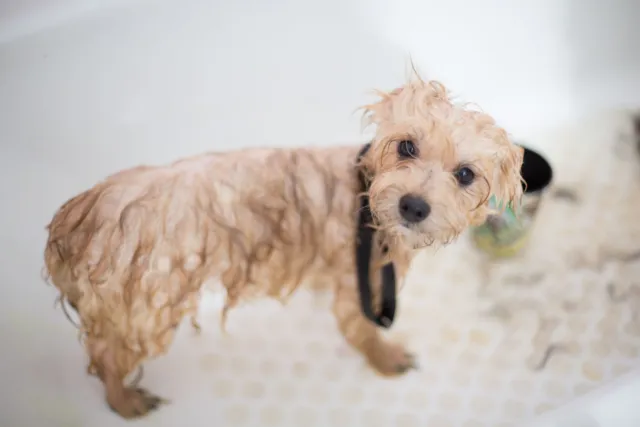
Regular baths can also help in flea prevention. Use a vet-recommended flea shampoo that is safe for your dog’s skin. Bathing your dog every month can reduce the risk of fleas and help soothe any irritation caused by bites.
When bathing your dog, make sure to:
- Thoroughly wet the coat, working the shampoo into the skin.
- Leave the shampoo on for the recommended time to ensure effectiveness.
- Rinse thoroughly to remove all product residue.
Additionally, after bathing, comb your dog’s coat again to check for any remaining fleas or flea dirt.
Choosing the Right Flea Prevention Products
With numerous flea prevention products available, it can be overwhelming to choose the right one for your dog. Consult your veterinarian for recommendations based on your dog’s age, size, and health status.
There are several types of flea prevention products:
| Type | Description | Pros | Cons |
|---|---|---|---|
| Flea Collars | Collars that release chemicals to repel fleas. | Long-lasting, easy to use. | May cause skin irritation. |
| Topical Treatments | Liquid medications applied to the skin. | Effective and fast-acting. | Needs to be reapplied monthly. |
| Oral Medications | Pills that kill fleas when ingested. | Convenient, fast-acting. | May cause digestive upset. |
| Flea Sprays | Aerosol or pump sprays for direct application. | Can treat both dog and environment. | Requires frequent reapplication. |
Using Natural Flea Preventatives
Some pet owners prefer natural methods for flea prevention. While these may not be as effective as chemical treatments, they can be part of a comprehensive flea prevention strategy.
Natural flea prevention options include:
- Essential Oils: Oils like lavender and peppermint can repel fleas. However, consult your vet before using them, as some oils can be toxic to pets.
- Herbal Flea Powders: Certain powders can be dusted on your dog’s coat to deter fleas.
- Diatomaceous Earth: This natural powder can be used in your yard to kill fleas when they come into contact with it.
Maintaining a Clean Living Environment
Fleas can quickly invade your home, so maintaining a clean environment is crucial for prevention. Regular cleaning helps eliminate flea eggs, larvae, and adult fleas from your living space.
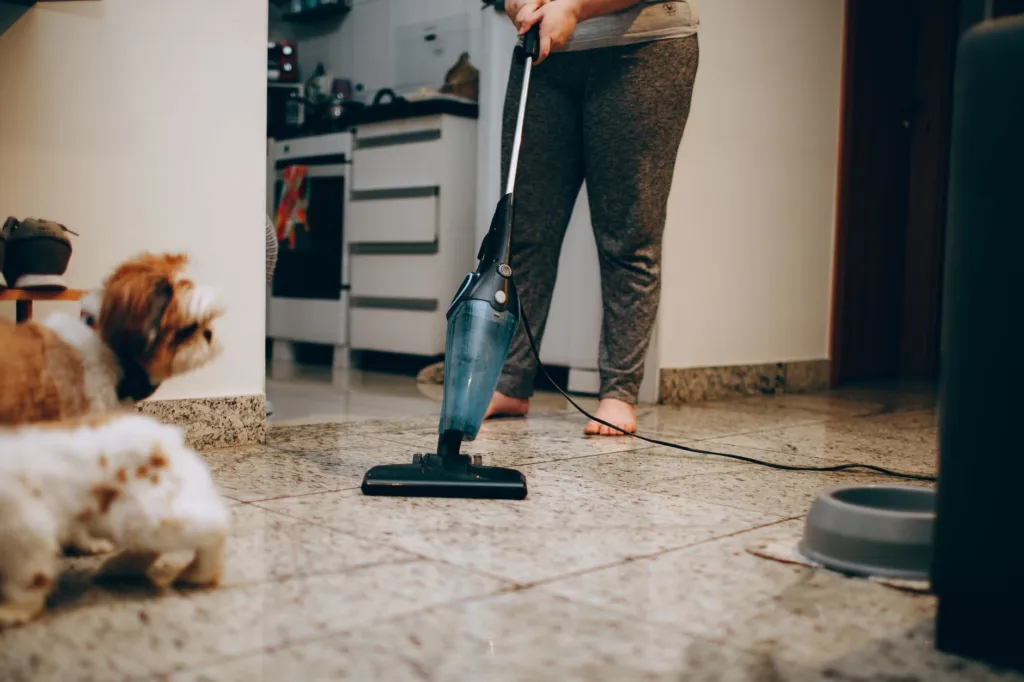
Start by vacuuming your home frequently, especially areas where your dog spends time. Pay special attention to carpets, rugs, and upholstery. After vacuuming, dispose of the vacuum bag or empty the canister outside to prevent any fleas from re-entering your home.
In addition to vacuuming, consider washing your dog’s bedding and toys regularly. Use hot water to kill any fleas and their eggs. Here are some cleaning tips:
- Wash dog bedding weekly.
- Rotate and wash toys and blankets frequently.
- Consider using a flea spray on carpets and upholstery as an additional measure.

Outdoor Flea Control
Fleas can also thrive in your yard, especially in shaded, moist areas. To reduce the risk of fleas in your outdoor space, take proactive measures to control the environment.
Here are some effective outdoor flea control methods:
- Maintain Your Lawn: Regularly mow your lawn and trim bushes to reduce flea-friendly areas.
- Use Nematodes: Beneficial nematodes can be introduced to your yard to help control flea populations naturally.
- Limit Wildlife Access: Discourage wildlife from entering your yard, as they can bring fleas. Secure trash bins and remove pet food left outside.
Recognizing Flea Infestations
Even with preventive measures in place, flea infestations can still occur. Recognizing the signs early can help you address the problem quickly and effectively.
Common signs of a flea infestation on your dog include:
- Frequent scratching or biting at the skin.
- Red, irritated skin or hot spots.
- Visible fleas or flea dirt in the coat.
If you notice any of these signs, it is essential to act quickly. Consult your veterinarian for a suitable treatment plan that may include topical treatments, oral medications, or a combination of approaches.
Consulting Your Veterinarian
Your veterinarian plays a crucial role in flea prevention and treatment. They can provide personalized recommendations based on your dog’s specific needs and lifestyle.
Regular check-ups can help catch flea issues before they become severe. Your vet can also help you determine which flea prevention products are best for your dog, considering factors like age, weight, and health conditions.
Overall, maintaining open communication with your veterinarian ensures your dog remains healthy and flea-free.
Natural Remedies for Flea Prevention
Essential Oils
Essential oils can be a powerful tool in the fight against fleas. Certain oils, such as lavender, peppermint, and cedarwood, are known for their insect-repelling properties. When using essential oils, it’s crucial to dilute them properly before applying them to your dog’s skin or fur. A common dilution ratio is one drop of essential oil to every 10 drops of a carrier oil like coconut or olive oil.
Here are a few essential oils to consider for flea prevention:
- Lavender Oil: Known for its calming effects, lavender also repels fleas.
- Peppermint Oil: Fleas dislike the strong scent of peppermint, making it an effective deterrent.
- Cedarwood Oil: This oil can help repel fleas and provide a pleasant fragrance.
Herbal Flea Collars
Creating a homemade herbal flea collar is another natural method to help keep fleas at bay. You can use a plain cotton collar and infuse it with natural herbs known for their flea-repellent properties. Some popular herbs include rosemary, thyme, and sage.
To make an herbal collar, follow these steps:
- Gather dried herbs like rosemary, lavender, and thyme.
- Mix the herbs in a bowl and coat the cotton collar with the mixture.
- Place the collar in a sealed bag for 24 hours to allow the oils to absorb.
- Remove the collar and place it on your dog, ensuring it fits comfortably.
Dietary Supplements
Incorporating certain dietary supplements into your dog’s meals can also aid in flea prevention. Nutritional supplements such as omega-3 fatty acids, brewer’s yeast, and garlic can enhance your dog’s skin health and create an environment that is less hospitable to fleas.
Consult with your veterinarian before introducing any new supplements. Here are some commonly used options:
- Omega-3 Fatty Acids: Help improve skin health, making it less appealing to fleas.
- Brewer’s Yeast: This supplement is known to create an odor that fleas find unpleasant.
- Garlic: While controversial, small amounts of garlic may help deter fleas.
Understanding Flea Allergies and Skin Conditions
Identifying Flea Allergy Dermatitis
Flea allergy dermatitis (FAD) is a common condition in dogs that occurs when a dog has an allergic reaction to flea saliva. Even a single flea bite can trigger intense itching and discomfort, leading to skin infections and hair loss. Identifying FAD is crucial for effective treatment.
Look for the following signs:
- Intense itching, especially around the tail, ears, and belly.
- Red, inflamed skin or hot spots.
- Hair loss or thinning in specific areas.
Managing Skin Conditions Linked to Fleas
Once FAD is diagnosed, managing the condition becomes essential. This may involve a combination of flea control, topical treatments, and dietary changes. Topical corticosteroids or antihistamines may be prescribed to alleviate itching and inflammation.
Here are some strategies to manage skin conditions linked to fleas:
- Regular bathing with a veterinarian-recommended medicated shampoo.
- Topical treatments to soothe irritated skin.
- Regular flea control measures to prevent future infestations.
Consulting with a Veterinarian
If you suspect your dog has FAD or any skin issues related to fleas, consult your veterinarian as soon as possible. They can provide a proper diagnosis and recommend a tailored treatment plan. It’s important to address these issues promptly to prevent secondary infections and more severe health complications.
Seasonal Flea Control Strategies
Understanding Seasonal Flea Trends
Flea populations typically thrive during warmer months, but they can be a year-round issue in certain climates. Understanding how flea populations fluctuate with the seasons can help you adjust your prevention strategies accordingly.
In spring and summer, fleas are more active. During these months, increase your preventative measures, such as more frequent grooming and application of topical treatments. In colder months, while flea activity may decrease, it is still vital to maintain preventive measures, as fleas can survive in indoor environments.
Adjusting Your Routine Based on Seasons
Adapting your routine based on the season can enhance your flea prevention strategy. Here are some seasonal tips:
- Spring: Start early flea treatments before the season peaks.
- Summer: Increase grooming frequency and check for fleas after outdoor activities.
- Fall: Continue flea treatments as temperatures remain warm.
- Winter: Maintain indoor flea control measures as fleas can survive in heated environments.
Emergency Flea Control Measures
In case of a flea infestation, having an emergency action plan can save your dog from discomfort. If you notice fleas on your dog, act quickly by using a flea comb to remove fleas and eggs. You can also bathe your dog with a specialized flea shampoo to eliminate live fleas.
Additionally, consider using a vacuum to clean your home thoroughly. Wash all pet bedding and toys in hot water to kill any remaining fleas. These steps can help contain and eliminate an infestation quickly.
Frequently Asked Questions
How often should I treat my dog for fleas?
The frequency of flea treatments depends on the product you choose. Many topical and oral treatments are administered monthly, while flea collars can last for several months. Always follow the manufacturer’s instructions or your veterinarian’s recommendations.
Can fleas harm my dog?
Yes, fleas can cause various health issues, including skin irritation, allergic reactions, and even tapeworm infections. In severe cases, fleas can lead to anemia, especially in puppies or small dogs.
Are natural flea prevention methods effective?
While some natural methods can help deter fleas, they are generally not as effective as veterinary-approved treatments. Natural methods can be used as complementary strategies but should not replace conventional treatments.
What should I do if I find fleas on my dog?
If you find fleas on your dog, it’s essential to treat them immediately. Consult your veterinarian for a suitable treatment plan, which may include topical solutions, oral medications, or a combination of both. Additionally, take steps to clean your home and yard to eliminate fleas.
The Bottom Line
Preventing fleas on your dog requires a multi-faceted approach that includes regular grooming, the use of effective flea prevention products, and maintaining a clean living environment. By understanding the flea life cycle and recognizing the signs of infestations, you can keep your dog comfortable and healthy.
Always consult your veterinarian for personalized advice and treatment options, ensuring your preventive measures are both effective and safe for your furry friend.
Was this article helpful?

Writer at Mad4Pets. Lifelong animal lover who turns research and vet guidance into practical tips for everyday pet parents.