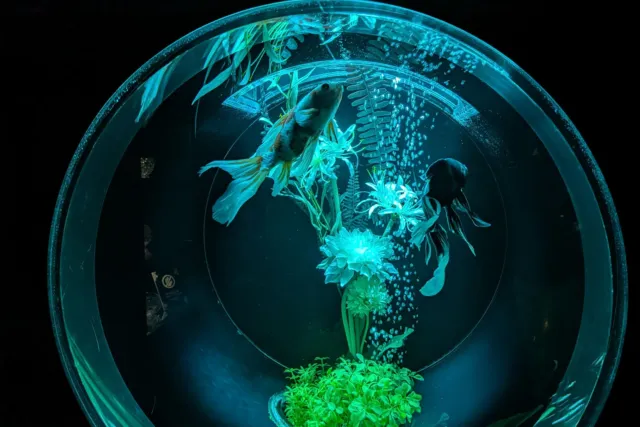
Essential Betta Fish Care Guide for Beginners
Learn essential tips and comprehensive advice on betta fish care to create a healthy environment for your new pet.


Key takeaways
- Betta fish thrive in properly heated and filtered water.
- Provide a varied diet to promote health and vibrancy.
- Regular tank maintenance is crucial for a happy betta.
- Understand social behaviors to prevent aggression.
Betta fish, known for their vibrant colors and flowing fins, are popular pets among aquarium enthusiasts. They are often chosen by beginners due to their striking appearance and relatively easy care requirements. However, despite their popularity, potential owners must understand the specific needs of these fish to ensure they thrive in captivity.
This guide covers essential aspects of betta fish care, helping you create a suitable environment, provide the right diet, and maintain their health. Whether you’re setting up your first aquarium or looking to enhance your knowledge, this guide will equip you with the information necessary for successful betta fish ownership.
With proper care, your betta fish can live a long and healthy life, showcasing their beauty and personality. Let’s dive into the details of betta fish care.
Understanding Betta Fish
Betta fish, scientifically known as Betta splendens, are native to Southeast Asia, primarily found in Thailand, Vietnam, and Cambodia. They inhabit shallow waters such as rice paddies, floodplains, and ponds. This background is essential to understand their care needs.
These fish are known for their territorial nature, especially males, who can be aggressive towards other males. Therefore, proper tank setup and social arrangements are critical to prevent stress and injuries.
Betta fish come in a variety of colors and fin types, making them appealing to many aquarium enthusiasts. Their ability to breathe air through a specialized organ called a labyrinth organ allows them to survive in less-than-ideal water conditions, but this does not mean they should be kept in poor water quality.
Setting Up the Ideal Betta Tank
Creating a suitable habitat for your betta fish is vital for their well-being. Here are key considerations when setting up their tank:
- Tank Size: A minimum tank size of 5 gallons is recommended for bettas. Smaller tanks can lead to poor water quality and increased stress.
- Water Temperature: Bettas prefer warmer water, ideally between 76°F to 82°F. A reliable heater is essential to maintain a stable temperature.
- Filtration: A gentle filter is necessary to keep the water clean without creating strong currents that can stress your betta.
Additionally, it’s essential to cycle the aquarium before introducing any fish. This process establishes beneficial bacteria that help break down harmful waste products.
Decor and Enrichment
Betta fish enjoy having places to hide and explore. Consider adding the following to their tank:
- Plants: Live or silk plants provide hiding spots and make the tank visually appealing.
- Decorations: Use caves or other structures made from fish-safe materials.
- Substrate: A soft substrate helps prevent injury to their delicate fins.
Be cautious with decorations; avoid anything sharp that could tear the betta’s fins. A well-decorated tank not only enhances their environment but also allows them to exhibit natural behaviors.
Feeding Your Betta Fish
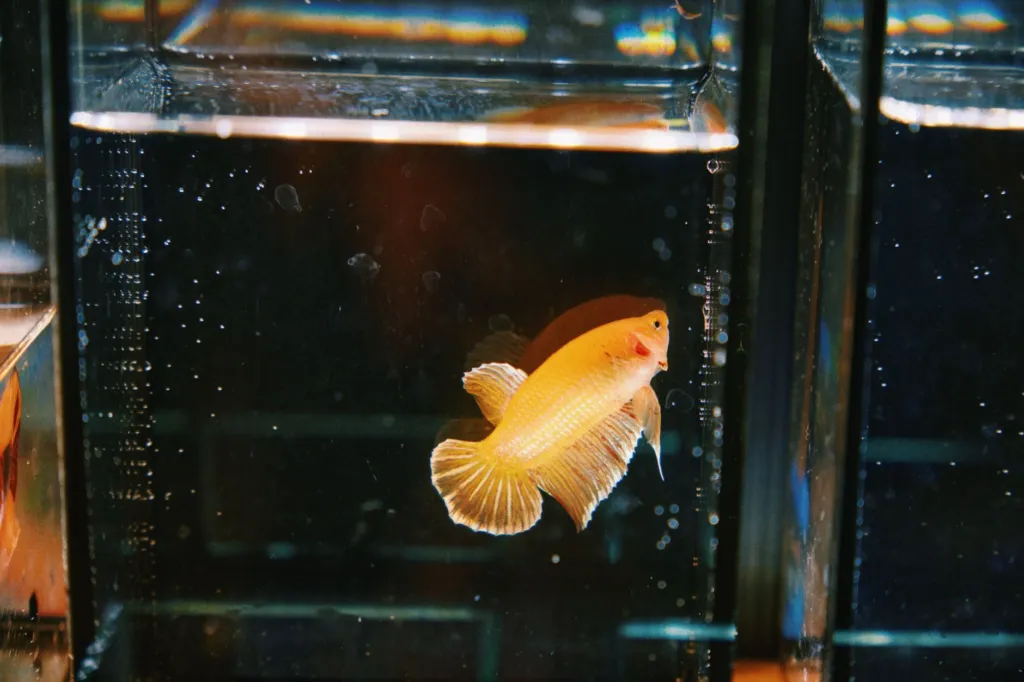
Betta fish are carnivorous and require a high-protein diet. A varied diet is essential to keep them healthy and vibrant. Here are some feeding guidelines:
- Types of Food: Offer high-quality pellets specifically designed for bettas, as well as freeze-dried or frozen foods like bloodworms, brine shrimp, and daphnia.
- Feeding Frequency: Feed your betta 2-3 small meals a day, ensuring they consume all the food within 2-3 minutes to prevent overfeeding.
- Vitamins and Supplements: Occasionally, provide supplements or treats that enhance their color and overall health.
Be mindful of overfeeding, which can lead to obesity and water quality issues. Regularly monitor your betta’s weight and adjust feeding accordingly.
Signs of a Healthy Betta
A healthy betta fish exhibits specific behaviors and physical traits, including:
- Bright coloration and vibrant fins
- Active swimming and exploration of the tank
- Good appetite and interest in food
If you notice any changes in behavior or appearance, it may indicate stress or illness, and further investigation is necessary.
Maintaining Water Quality
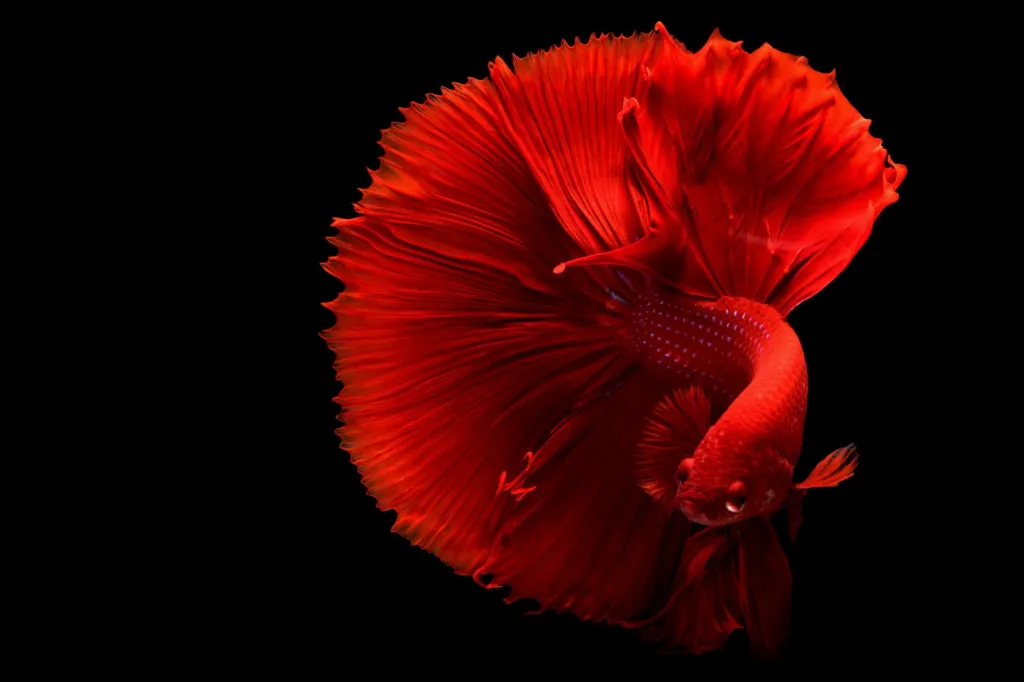
Water quality is crucial for the health of your betta fish. Regular maintenance helps prevent diseases and keeps the environment stable. Follow these guidelines:
- Regular Testing: Use an aquarium test kit to monitor pH, ammonia, nitrite, and nitrate levels. Aim for a pH between 6.5 and 7.5.
- Water Changes: Perform partial water changes (about 25-50%) weekly to maintain clean water.
- Conditioning Water: Always use a water conditioner to remove harmful chemicals from tap water.
Maintaining optimal water conditions not only supports your betta’s health but also allows beneficial bacteria to thrive, creating a balanced ecosystem.
Common Water Quality Issues
Be aware of common water quality problems that can arise:
- Ammonia Spikes: Caused by overfeeding or inadequate filtration.
- Nitrite Poisoning: Can occur if the tank is not cycled properly.
- Algae Growth: Excessive light or nutrients can lead to algae blooms, which can affect water quality.
Addressing these issues promptly is essential for your betta’s health.
Betta Fish Behavior and Social Needs
Understanding betta fish behavior is important for a harmonious aquarium. While some bettas can coexist, others may be aggressive. Here are key behavioral traits:
- Aggression: Male bettas are territorial and will fight if placed together. They should be housed alone unless in a large community tank with compatible species.
- Signs of Stress: Faded colors, fin clamping, and lethargy can indicate stress. Identify and alleviate stressors in their environment.
- Interaction with Owners: Bettas can recognize their owners and may respond to feeding times or interaction.
Creating a peaceful environment is essential for their well-being. Monitor their behavior closely and adjust tank conditions as needed.
Compatible Tank Mates
If you wish to add tank mates, consider these options:
- Peaceful Fish: Species like neon tetras, Corydoras catfish, and certain snails can be good companions.
- Avoid: Other male bettas, fin-nipping species, and overly aggressive fish.
- Observe: Always introduce new fish gradually and observe interactions closely.
Choosing the right tank mates can enhance your betta’s quality of life, but it requires careful consideration.
Common Health Issues in Betta Fish
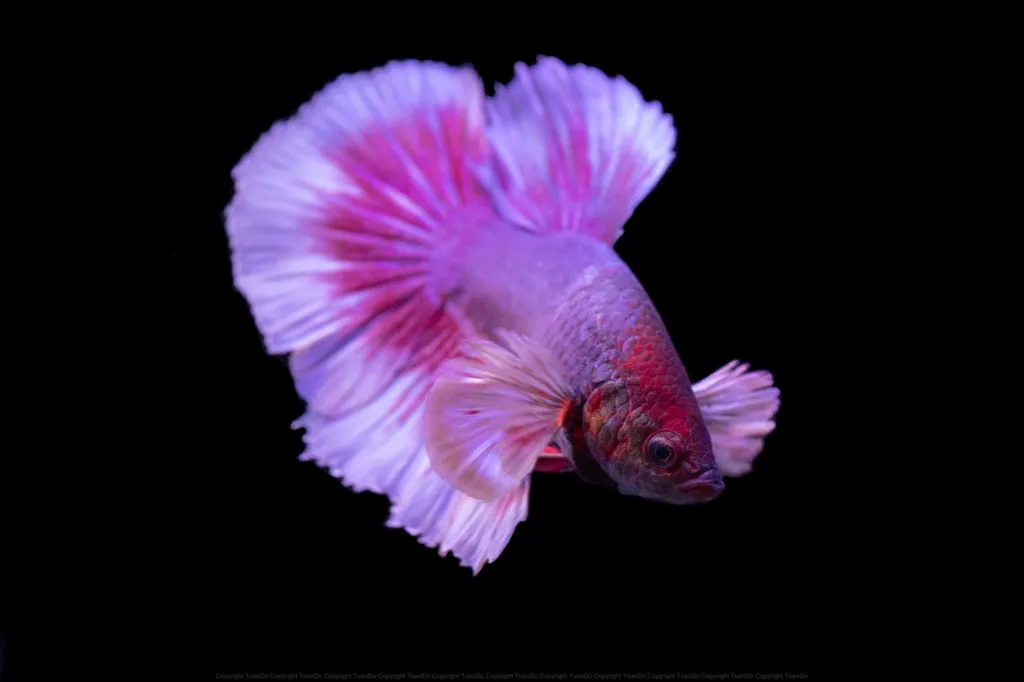
Betta fish can be susceptible to various health issues. Recognizing symptoms early can help ensure prompt treatment. Here are some common problems:
- Fin Rot: Caused by poor water quality, fin rot presents as frayed or disintegrating fins.
- Ich: Known as white spot disease, ich appears as small white spots on the fish’s body and fins.
- Swim Bladder Disease: This condition affects buoyancy, causing the fish to float uncontrollably or sink.
If you observe any of these symptoms, it is crucial to consult a veterinarian who specializes in fish health. Treatment can vary depending on the issue, and timely intervention is key.
Preventative Care
To prevent health issues, consider these practices:
- Maintain Water Quality: Regular testing and water changes are essential.
- Quarantine New Fish: Always quarantine new additions to prevent the introduction of diseases.
- Watch for Changes: Monitor your betta’s behavior and appearance consistently.
Proactive care can significantly reduce the risk of health issues in your betta fish.
Betta Fish Breeding: Understanding the Basics
Preparing for Breeding
Breeding Betta fish can be a rewarding experience, but it requires careful preparation. Before you begin, it is essential to ensure that you have a male and a female Betta fish that are healthy and of breeding age, typically around 4 to 6 months. You will also need to set up a separate breeding tank to provide a safe environment for the breeding process. This tank should be at least 5 gallons and equipped with a heater and a spawning surface, such as floating plants or a breeding cone.
Breeding Process
The breeding process begins with the introduction of the female to the male’s territory. The male Betta will display his vibrant colors and flare his fins to attract the female. If she is receptive, she will respond by displaying her own colors and engaging in a courtship dance. Once they have paired, the male will build a bubble nest at the water’s surface, which is where the female will lay her eggs. After the eggs are laid, the male will fertilize them and carefully gather them into the bubble nest.
Caring for Fry
Once the eggs hatch, which usually takes about 24 to 48 hours, the fry will be free-swimming and require proper care. It is crucial to keep the fry in a separate tank for safety. During the first week, they can be fed infusoria or specialized fry food. As they grow, you can gradually introduce larger foods, such as crushed flakes or brine shrimp. Regular water changes and monitoring for any signs of illness are vital for their survival.
- Provide a separate tank for fry
- Feed with infusoria initially
- Monitor water quality closely
- Ensure adequate aeration and temperature
Decorating Your Betta Tank: Enhancing Aesthetics and Functionality
Choosing the Right Decorations
When decorating your Betta tank, it is essential to choose items that enhance both aesthetics and functionality. Bettas thrive in environments that mimic their natural habitat, which includes plenty of hiding spots and places to explore. Live plants, such as Java Fern and Anubias, not only provide shelter but also improve water quality by absorbing nitrates. Additionally, silk plants are a great alternative, as they are gentle on your Betta’s delicate fins.
Avoiding Harmful Decorations
While it is tempting to fill your tank with beautiful decorations, safety should be your top priority. Avoid any items with rough edges, sharp points, or small openings that could trap your Betta. Natural decorations, like driftwood and smooth stones, can be excellent choices, provided they are cleaned and treated to remove any harmful substances. Regularly inspect your decorations for signs of wear and tear to ensure they remain safe.
Creating Zones in the Tank
Creating distinct zones in your Betta tank can encourage natural behaviors and reduce stress. By dividing the tank into areas for swimming, hiding, and resting, you can help your Betta feel more secure. Use plants, decorations, and varied substrate to create these zones. This setup not only provides a stimulating environment but also contributes to your Betta’s overall well-being.
- Incorporate live plants for natural filtration
- Use silk plants to avoid fin damage
- Inspect decorations regularly for safety
- Create distinct swimming and hiding zones
Understanding Betta Fish Lifespan and Aging
Average Lifespan of Betta Fish
Betta fish typically have a lifespan of 3 to 5 years, but with excellent care, some can live up to 7 years or more. Factors affecting their longevity include water quality, diet, tank size, and overall health. Providing a stable environment and meeting their needs can significantly extend their life. Regular veterinary check-ups can also help catch any potential health issues early on.
Signs of Aging in Betta Fish
As Betta fish age, they may exhibit several physical and behavioral changes. Common signs of aging include a decrease in activity level, fading colors, and the development of fin deterioration. Additionally, older Betta fish may have a slower response to stimuli and may spend more time resting at the bottom of the tank. Observing your Betta’s behavior can help you identify any changes that may indicate aging.
Adjusting Care for Senior Bettas
Older Betta fish may require adjustments in their care routine. It is essential to monitor their water quality closely, as older fish may be more sensitive to changes. You may also need to modify their diet, offering softer foods that are easier to digest. Providing a calm and stable environment is crucial for their comfort and well-being. Regularly check for signs of illness, as older fish may be more susceptible to diseases.
- Monitor water quality consistently
- Adjust diet to softer foods
- Provide a calm environment
- Watch for signs of illness or discomfort
Frequently Asked Questions
How long do betta fish live?
With proper care, betta fish typically live 3 to 5 years, though some can live longer. Their lifespan depends on water quality, diet, and overall care.
Can betta fish live with other fish?
Male bettas should not be housed with other males due to aggression. However, they can live with peaceful species if the tank is large enough and has adequate hiding spots.
What should I do if my betta is sick?
If your betta shows signs of illness, immediately check water quality and conditions. Consult a veterinarian for appropriate diagnosis and treatment options.
How often should I feed my betta fish?
Feed your betta fish 2-3 small meals a day, providing only what they can consume within a few minutes to maintain their health.
The Bottom Line
Betta fish care requires attention to detail and a commitment to maintaining a healthy environment. By understanding their needs regarding tank setup, diet, and social behavior, you can ensure a thriving habitat for your betta. With proper care, these beautiful fish can bring joy and vibrancy to your home for years to come.
Was this article helpful?

Writer at Mad4Pets. Lifelong animal lover who turns research and vet guidance into practical tips for everyday pet parents.