Understanding Why Dogs Lick Their Paws: Common Reasons
Discover why do dogs lick their paws, exploring common reasons and insights to help you address your dog's behavior effectively.


Key takeaways
- Dogs lick their paws for various reasons.
- Understanding health issues is crucial.
- Behavioral aspects can also contribute.
- Consult a vet for persistent licking.
As a dog owner, you may have noticed your furry friend frequently licking their paws. While this behavior can sometimes be adorable, it often leaves pet parents wondering: why do dogs lick their paws? Understanding the reasons behind this common canine behavior is essential for maintaining your dog’s health and well-being.
Paw licking can be a normal part of a dog’s grooming routine, but it can also signal underlying issues. In this article, we will explore the various reasons why dogs engage in this behavior, ranging from grooming and allergies to anxiety and boredom. By understanding these factors, you can better address any concerns and ensure your pet remains happy and healthy.
Whether you have a playful puppy or a wise old companion, knowing the motivations behind paw licking can help you respond appropriately to your dog’s needs. Let’s delve into the reasons why dogs lick their paws and when you should consult a veterinarian.
Grooming Behavior
One of the primary reasons dogs lick their paws is to groom themselves. Dogs are instinctively clean animals, and they often use licking as a way to keep their fur and skin clean. Just like cats, dogs will spend time grooming themselves, which can include licking their paws.
Paw licking for grooming may involve several actions:
- Removing dirt and debris: Dogs explore their environment with their paws. Licking helps remove dirt, grass, and other foreign particles that can accumulate during outdoor play.
- Distributing natural oils: Licking helps distribute the natural oils in their skin and fur, keeping their coat healthy and shiny.
- Soothing irritations: If a dog has a minor irritation, licking may provide temporary relief, similar to how humans might rub an itchy spot.
While grooming is a natural behavior, excessive licking can lead to irritation or injury. If you notice your dog excessively licking their paws, it may be time to investigate further.
Allergies and Irritations
Allergies are a common reason dogs lick their paws. Just like humans, dogs can experience allergies to various environmental factors, including pollen, dust mites, mold, and certain foods. When a dog is allergic to something, it may result in itchy, inflamed skin, prompting them to lick their paws for relief.
Common allergens that may cause paw licking include:
- Pollen: Seasonal allergies can trigger reactions in dogs, causing them to lick their paws as they try to alleviate the discomfort.
- Food allergies: Some dogs may have sensitivities to certain ingredients in their food, leading to skin irritations and licking.
- Chemical irritants: Household cleaners, lawn chemicals, or even certain types of grass can irritate a dog’s paws, resulting in licking.
When dealing with allergies, it’s crucial to consult with your veterinarian. They can help identify the allergen through tests and suggest appropriate treatment options, such as changing your dog’s diet or using antihistamines.
Infections and Parasites
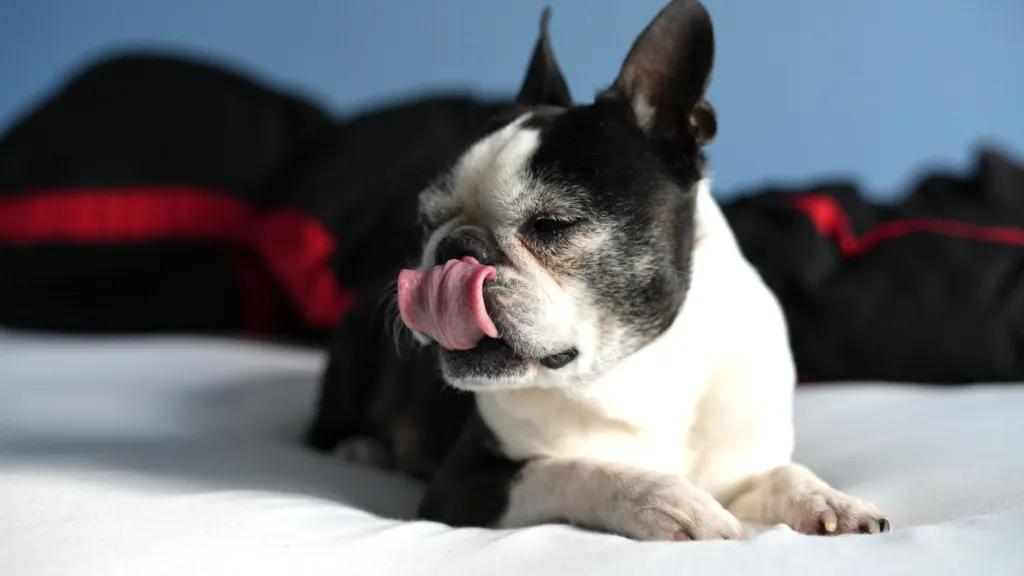
Another reason dogs may lick their paws is the presence of infections or parasites. Bacterial or fungal infections can develop on a dog’s skin, particularly in areas that are frequently moist or irritated. These infections can lead to itching and discomfort, prompting dogs to lick their paws in an attempt to relieve the irritation.
Common infections and parasites that can cause paw licking include:
- Yeast infections: Yeast overgrowth can cause significant itching and discomfort, making dogs lick their paws.
- Bacterial infections: Bacteria can enter through cuts or abrasions on the paws, leading to infections that cause pain and irritation.
- Fleas and ticks: These parasites can cause intense itching, leading dogs to lick their paws as part of their grooming behavior.
If you suspect an infection or parasite issue, it’s advisable to consult a veterinarian promptly. Early intervention can help prevent more serious health complications.
Behavioral Factors
Sometimes, paw licking can be attributed to behavioral factors rather than physical health issues. Dogs can develop habits based on stress, anxiety, or even boredom. Understanding these behavioral aspects is crucial for addressing the licking behavior effectively.
Some common behavioral causes include:
- Separation anxiety: Dogs with separation anxiety may engage in compulsive behaviors, such as licking their paws, as a way to cope with stress when left alone.
- Boredom: Dogs that do not receive enough exercise or mental stimulation may resort to licking as a way to entertain themselves.
- Attention-seeking behavior: If a dog realizes that licking their paws draws attention from their owner, they may continue the behavior to receive more interaction.
Addressing behavioral issues often involves providing more mental and physical stimulation to your dog. Regular exercise, interactive toys, and training sessions can help alleviate boredom and anxiety.
When to Consult a Veterinarian
While occasional paw licking is normal, persistent licking can indicate a more serious issue. Here are some signs that warrant a visit to the veterinarian:
- Excessive licking: If your dog is licking their paws excessively, leading to redness, swelling, or hair loss, it is essential to seek veterinary advice.
- Signs of infection: If you notice any discharge, foul odor, or unusual swelling around the paws, these may be signs of an infection that requires treatment.
- Behavioral changes: If your dog’s licking is accompanied by other behavioral changes, such as increased anxiety or aggression, consult your veterinarian.
Veterinarians can perform examinations, recommend treatments, and provide insights into behavioral modifications to help your dog overcome licking issues.
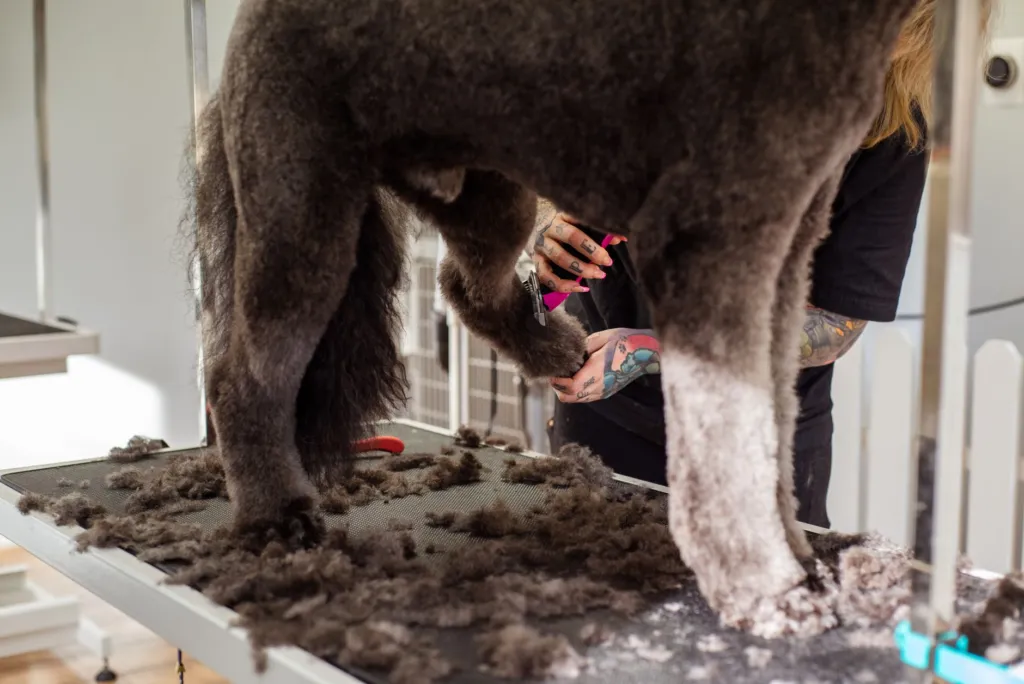
Preventive Measures
To help reduce the likelihood of paw licking, consider implementing some preventive measures. These can enhance your dog’s overall well-being and comfort:
- Regular grooming: Regularly grooming your dog helps keep their coat clean and reduces dirt and allergens that could lead to licking.
- Routine vet check-ups: Regular visits to the veterinarian can help catch any health issues early, including allergies or infections.
- Environmental management: Monitor your dog’s environment for potential allergens and irritants, and make adjustments as necessary.
By being proactive, you can help your dog maintain healthy paws and reduce the likelihood of excessive licking.
Environmental Factors Influencing Paw Licking
Seasonal Changes and Effects
Seasonal changes can profoundly impact a dog’s behavior, including their tendency to lick their paws. During spring and summer, outdoor exposure increases, leading to various irritants such as pollen, grass, and even chemicals from fertilizers or pesticides. These environmental factors can trigger allergic reactions or irritate the skin, prompting dogs to lick their paws for relief. In fall, leaves can harbor mold and fungi that also contribute to paw irritation.
In winter, the cold weather can dry out a dog’s skin, leading to cracked pads and increased licking. Furthermore, salt and other de-icing agents used on roads can cause irritation, making dogs more likely to lick their paws after walks. To help alleviate these issues, pet owners can consider the following:
- Wiping paws after outdoor walks to remove irritants.
- Using protective paw balms during harsh weather conditions.
- Keeping the dog’s environment clean, especially during allergy seasons.
Paw Licking Related to Household Products
Household products that we may not consider harmful can irritate a dog’s paws. Common household cleaners, detergents, and even scented candles can leave residues on floors and surfaces. If a dog walks on these surfaces, they may lick their paws to clean them off, which can lead to skin irritation or allergic reactions. Pet owners must be mindful of the products they use in their homes.
When selecting cleaning products, consider the following tips:
- Choose pet-safe, non-toxic cleaning solutions.
- Avoid using heavily scented products.
- Ensure thorough rinsing of surfaces that dogs frequently walk on.
Environmental Enrichment and Mental Stimulation
A lack of mental stimulation and physical exercise can lead to compulsive behaviors in dogs, including excessive paw licking. Dogs are intelligent animals that require regular engagement to stay happy and healthy. Without appropriate outlets for their energy, they may resort to repetitive behaviors as a coping mechanism.
To promote mental stimulation, pet owners should consider the following activities:
- Interactive toys that challenge dogs and keep them engaged.
- Regular playtime and exercise to burn off excess energy.
- Training sessions that teach new tricks or reinforce commands.

Medical Conditions Linked to Paw Licking
Skin Conditions Beyond Allergies
While allergies are a common reason for paw licking, other skin conditions can also lead to this behavior. Dermatitis, for example, can result from contact with irritants or from friction, leading to inflammation and discomfort. Conditions like hot spots or fungal infections can also cause localized irritation, prompting dogs to lick their paws in an attempt to relieve the discomfort.
Veterinary examination is essential to determine the root cause of skin conditions. The following are some common skin issues to be aware of:
- Atopic dermatitis, which is often related to environmental allergens.
- Fungal infections such as ringworm, which may require specific antifungal treatments.
- Hot spots, which are localized skin infections that can develop rapidly.
Systemic Health Issues
In some cases, excessive paw licking may indicate underlying systemic health issues. Conditions such as hypothyroidism or diabetes can affect a dog’s skin and coat health, potentially leading to increased paw licking. These conditions may not be immediately obvious, requiring a thorough veterinary examination and appropriate blood tests to diagnose.
Keep an eye out for the following signs that may indicate a more serious health issue:
- Increased thirst or urination.
- Changes in appetite or weight.
- Abnormal coat condition, such as excessive shedding or dullness.
Neurological Conditions
In rare cases, neurological conditions can lead to compulsive behaviors, including paw licking. Conditions affecting a dog’s nervous system may cause them to feel discomfort or anxiety, leading to repetitive behaviors as a coping mechanism. Conditions such as seizures or cognitive dysfunction syndrome in older dogs may manifest in this way.
Monitoring your dog for other behavioral changes can provide clues about potential neurological issues. Consider the following:
- Changes in responsiveness or awareness of surroundings.
- Unexplained changes in behavior, such as increased anxiety or restlessness.
- Signs of disorientation or confusion, particularly in older dogs.
Paw Licking and Nutrition
Role of Diet in Skin Health
A dog’s diet plays a crucial role in their overall skin and coat health. Nutritional deficiencies can lead to dry skin, which may increase the likelihood of paw licking. Key nutrients, such as omega-3 fatty acids, are essential for maintaining skin hydration and reducing inflammation. A balanced diet that meets all of a dog’s nutritional needs can help prevent skin issues and, by extension, the urge to lick their paws.
Pet owners should consider incorporating the following dietary elements to support skin health:
- High-quality proteins to promote skin and coat condition.
- Omega-3 and omega-6 fatty acids found in fish oils.
- Supplements that improve skin integrity and reduce inflammation.
Identifying Food Allergies
Food allergies can also contribute to excessive paw licking. Some dogs may develop sensitivities to specific proteins or ingredients in their diets, leading to skin irritations that prompt licking. Identifying food allergies often requires an elimination diet under veterinary supervision to pinpoint the offending ingredient.
Common food allergens for dogs include:
- Beef
- Dairy products
- Wheat and other grains
- Poultry
Hydration and Its Impact
Ensuring proper hydration is vital for your dog’s overall health, including skin health. Dehydration can lead to dry skin, increasing the likelihood of irritation and subsequent paw licking. Dogs should always have access to fresh, clean water, and their water intake should be monitored, especially during hot weather or after exercise.
To encourage proper hydration, consider these tips:
- Provide multiple water bowls around the house.
- Use water fountains to entice dogs to drink more.
- Incorporate wet food into their diet to increase moisture intake.
Frequently Asked Questions
1. Is it normal for dogs to lick their paws?
Yes, occasional paw licking is normal behavior for dogs as part of their grooming routine. However, excessive licking may indicate underlying issues that need attention.
2. What should I do if my dog licks their paws excessively?
If your dog is licking their paws excessively, it’s essential to consult a veterinarian to identify the cause and explore possible treatment options.
3. Can allergies cause my dog to lick their paws?
Yes, allergies are a common cause of paw licking in dogs. Allergens such as pollen, dust, and certain foods can lead to itchy skin and discomfort.
4. How can I stop my dog from licking their paws?
To stop excessive paw licking, address the underlying cause, which may involve changes in grooming, environment, or behavioral training. Consulting a veterinarian is advisable.
The Bottom Line
Understanding why dogs lick their paws is crucial for ensuring their health and happiness. While grooming and occasional licking are normal, persistent licking may indicate allergies, infections, or behavioral issues. Monitoring your dog’s behavior and consulting with a veterinarian when necessary can help address concerns and improve their quality of life.
Was this article helpful?

Writer at Mad4Pets. Lifelong animal lover who turns research and vet guidance into practical tips for everyday pet parents.