How to Help Your Nervous Pet Feel Safe and Secure
Learn how to handle a nervous pet with effective strategies to help them feel safe and secure.

Key takeaways
- Understand the signs of anxiety in pets.
- Create a safe space for your nervous pet.
- Use positive reinforcement to build confidence.
Understanding Nervous Pets
Pets, much like humans, can experience anxiety and nervousness. These feelings may stem from various factors, including their environment, past experiences, or changes in routine. Recognizing the signs of a nervous pet is essential for providing the right support and comfort.
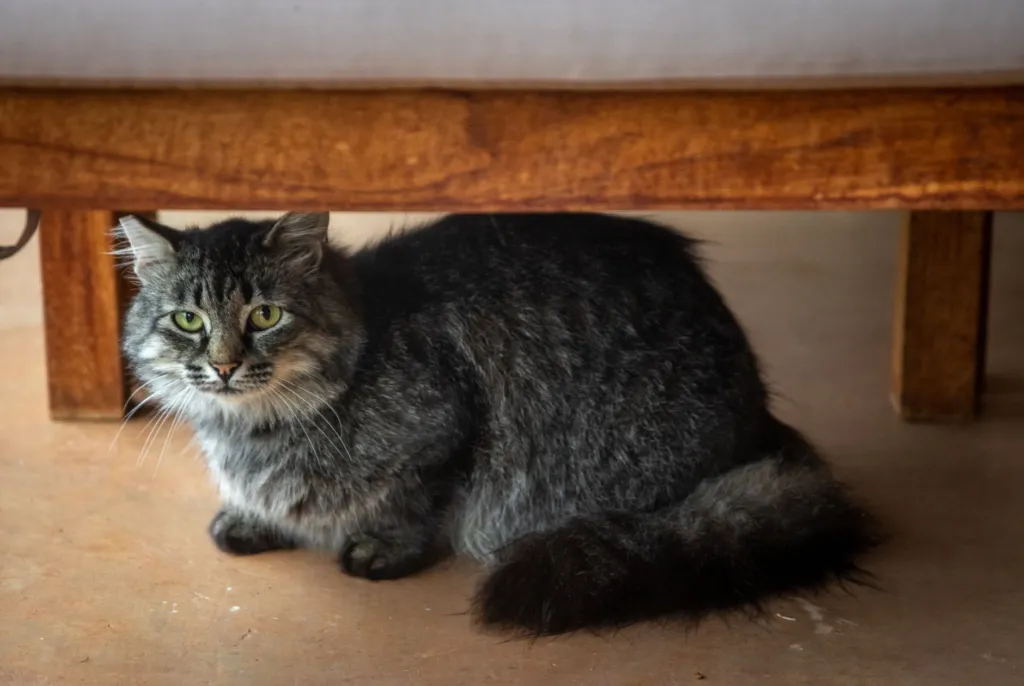
Common signs of anxiety in pets include excessive barking, hiding, pacing, destructive behavior, and changes in appetite or bathroom habits. Each pet may exhibit different behaviors when they are anxious. For instance, a dog might whine or bark excessively, while a cat may retreat to their favorite hiding spot.
Understanding what triggers anxiety in your pet is the first step in helping them feel more at ease. Triggers can range from loud noises like thunderstorms or fireworks to new people or animals entering their space. By observing your pet’s behavior closely, you can identify these triggers and work to minimize their impact.
Creating a Safe Space
One of the most effective ways to help a nervous pet is to create a safe, comfortable space for them. This area should be quiet, away from the hustle and bustle of daily life, and stocked with their favorite toys, bedding, and food and water. A safe space gives your pet a retreat where they feel secure.
When setting up a safe space, consider the following:
- Location: Choose a spot in your home that is away from loud noises and foot traffic. A cozy corner or a designated room can work well.
- Comfort: Ensure the area is comfortable with soft bedding, familiar toys, and possibly an item of your clothing to provide a sense of security.
- Accessibility: Make sure your pet can easily access their safe space whenever they feel anxious.
Additionally, consider using calming aids such as pheromone diffusers or calming music designed for pets to help create a more soothing environment. These tools can assist in alleviating feelings of stress and anxiety.
Positive Reinforcement Techniques
Using positive reinforcement is a powerful method for helping a nervous pet build confidence. This technique involves rewarding your pet for calm behavior, which encourages them to repeat those behaviors in the future.
Here are some strategies to implement positive reinforcement:
- Reward Calm Behavior: Whenever your pet exhibits calm behavior, such as lying down or exploring their safe space, offer treats or praise. This reinforces the idea that calmness is desirable.
- Gradual Exposure: Gradually expose your pet to their anxiety triggers in a controlled manner. Start with low levels of exposure and reward them for remaining calm.
- Training Sessions: Engage in short, positive training sessions. Teaching your pet new commands or tricks can build their confidence and strengthen your bond.
Be patient and consistent with your approach. It may take time for your pet to adjust and respond positively to these techniques. Celebrate small victories along the way.
Avoiding Negative Reinforcement
While it’s essential to use positive reinforcement, it is equally important to avoid negative reinforcement. Punishing your pet for anxious behavior can increase their stress and worsen their anxiety. Instead of correcting negative behavior, redirect them to a more positive activity.
Here are some pitfalls to avoid:
- Yelling or Scolding: Raising your voice or scolding your pet for their anxious behavior can create a cycle of fear and anxiety. Focus on calm communication.
- Physical Punishment: Any form of physical punishment is detrimental and can lead to further behavioral issues.
- Ignoring Their Needs: If your pet is showing signs of distress, it is crucial to acknowledge their feelings rather than dismissing them. Ignoring their anxiety can worsen the situation.
Remember, the goal is to create a trusting relationship where your pet feels safe and secure in your care.
Understanding Pet Body Language
Being able to interpret your pet’s body language is vital in understanding their feelings and anxiety levels. Each species has its own set of signals that indicate discomfort or stress.
For dogs, look for signs such as:
- Ears pinned back
- Tucked tail
- Avoiding eye contact
- Excessive yawning or licking lips
For cats, signs of anxiety may include:
- Hiding or seeking isolation
- Excessive grooming
- Tail flicking or twitching
- Flat ears
Understanding these signals allows you to respond appropriately to your pet’s needs, ensuring that they feel understood and cared for.
Professional Help and Consultation
If your pet’s anxiety is severe or persistent, it may be beneficial to consult with a veterinarian or a professional animal behaviorist. They can offer tailored advice and may suggest behavioral modification programs or medications to help manage your pet’s anxiety.
When seeking professional help, consider the following:
- Document Behaviors: Keep a log of your pet’s behaviors, triggers, and any strategies you’ve implemented. This information can be valuable for professionals.
- Follow Recommendations: Be open to following the expert’s recommendations, which may include training techniques, environmental changes, or, in some cases, medication.
- Be Patient: Behavioral changes can take time, and it’s essential to remain patient throughout the process.
Taking proactive steps can lead to a happier and less anxious pet, ultimately improving their quality of life.
Establishing a Routine
Importance of Predictability
For nervous pets, a consistent daily routine can significantly enhance their sense of security. Animals, like humans, thrive on predictability, which helps reduce anxiety. By establishing a regular schedule for feeding, exercise, and playtime, you can create an environment in which your pet feels more at ease. This predictability allows them to anticipate what comes next, minimizing stress and behavioral issues.
To develop a routine, consider the following elements:
- Feeding times
- Walks and outdoor playtime
- Quiet time for relaxation
- Training sessions
- Socialization activities
By adhering to this structured schedule, your nervous pet will not only feel more secure but will also be more likely to respond positively to training and socialization efforts.
Incorporating Enrichment Activities
Enrichment activities are vital for keeping nervous pets engaged and mentally stimulated. These activities can help alleviate boredom, which often leads to anxiety and destructive behavior. Enrichment can take many forms, such as interactive toys, puzzle feeders, or training games that challenge your pet’s mind.
Consider implementing the following types of enrichment:
- Interactive toys that dispense treats
- Hide-and-seek games with favorite toys
- Obstacle courses made with household items
- Scavenger hunts that involve searching for hidden treats
By incorporating these activities into your pet’s routine, you not only provide mental stimulation but also help them build confidence in their environment.
Adjusting Routine Based on Feedback
Observing your pet’s behavior is crucial for adjusting their routine effectively. Each pet is unique, and what works for one may not work for another. Take note of how your pet reacts to different elements of their routine, such as feeding times and exercise frequency. If you notice signs of heightened anxiety or stress, consider modifying the schedule accordingly.
Some signs to watch for include:
- Excessive barking or whining
- Destructive behavior when left alone
- Changes in appetite
- Hiding or retreating to secluded areas
By paying close attention and adapting their routine based on these cues, you can create a more comforting environment that caters specifically to your pet’s needs.
Utilizing Calming Products
Types of Calming Aids
Many products are available to help soothe anxious pets. These calming aids can be particularly beneficial during stressful situations like fireworks or veterinary visits. Options include pheromone diffusers, calming collars, and natural supplements designed to reduce anxiety. It’s essential to choose products that are safe and suitable for your pet’s specific needs.
Some popular calming aids include:
- Pheromone diffusers that mimic natural calming scents
- Calming collars infused with essential oils
- Natural supplements containing ingredients like L-Theanine or chamomile
- Thundershirts designed to provide comforting pressure
Before introducing any new product, consult your veterinarian to ensure it’s appropriate for your pet.
Creating a Calming Environment
In addition to using calming products, creating a serene environment can significantly impact your pet’s anxiety levels. Consider factors such as lighting, noise, and space. A quiet area away from household disturbances can serve as a sanctuary for your pet when they feel overwhelmed.
Some tips for creating a calming environment include:
- Using soft lighting to reduce harsh shadows
- Incorporating soothing sounds, like classical music, to mask loud noises
- Providing comfortable bedding in a quiet corner
- Minimizing clutter to avoid overwhelming your pet
By tailoring your pet’s surroundings to promote calmness, you can help alleviate some of the stressors that trigger their anxiety.
Trial and Adjustment
Every pet responds differently to calming products and environmental adjustments. It’s essential to remain patient and willing to experiment with various options. Document your pet’s responses to different products and changes you implement. This will help you identify what works best for your pet and refine your approach over time.
Some strategies to consider include:
- Testing one product or change at a time to assess its effectiveness
- Monitoring for any adverse reactions to new products
- Seeking feedback from your veterinarian if you are unsure
By being observant and adaptive, you can create a more supportive environment for your nervous pet.
Socialization Strategies
Gradual Exposure to New Experiences
Socialization is crucial for building confidence in nervous pets. However, rushing this process can lead to increased anxiety. Gradual exposure to new experiences, people, and environments is vital. Start with low-stress situations and slowly increase the level of exposure as your pet becomes more comfortable.
When introducing your pet to new experiences, consider the following steps:
- Begin with controlled environments, such as a quiet park or a friend’s home
- Allow your pet to observe new people or animals from a distance
- Reward your pet for calm behavior during these exposures
- Gradually decrease the distance as your pet becomes more confident
This structured approach helps to minimize stress while promoting positive associations.
Peer Support and Playdates
Setting up playdates with calm and well-socialized pets can help your nervous pet learn positive behaviors through observation and interaction. Choose companions that are known to be gentle and patient, as this will foster a supportive environment. Monitor their interactions closely to ensure that your pet feels safe and comfortable.
To facilitate successful playdates, consider:
- Meeting in a neutral location to reduce territorial anxiety
- Supervising all interactions to prevent overwhelming your pet
- Ending the playdate if your pet shows signs of stress
By encouraging safe interactions with other animals, you can help your pet build social skills and confidence.
Training Classes for Socialization
Enrolling in training classes can provide structured socialization opportunities for nervous pets. These classes typically involve exposure to various stimuli, including other animals and new environments, in a controlled setting. The presence of a professional trainer can help guide the process and ensure that your pet feels safe.
When considering a training class, look for:
- Small class sizes to limit overwhelming stimuli
- Positive reinforcement methods used by the trainer
- Opportunities for gradual exposure to new experiences
Training classes not only enhance socialization but also strengthen the bond between you and your pet, promoting a sense of security.
Frequently Asked Questions
What are common signs of anxiety in pets?
Common signs include excessive barking, hiding, pacing, destructive behavior, and changes in appetite or bathroom habits. Each pet may show different signs based on their personality and experiences.
How can I help my pet during stressful situations?
Creating a safe and quiet space for your pet, using calming products, and providing comforting items can help. Engaging them in positive activities can also divert their focus from stressors.
Should I consider medication for my anxious pet?
If your pet’s anxiety is severe, consult your veterinarian. They can assess your pet’s needs and determine if medication or a behavioral program is appropriate.
Can training help with my pet’s anxiety?
Yes, positive reinforcement training can help build your pet’s confidence and reduce anxiety. Gradual exposure to anxiety triggers, coupled with rewards for calm behavior, is effective.
The Bottom Line
Handling a nervous pet requires understanding, patience, and empathy. By creating a safe environment, utilizing positive reinforcement, and recognizing signs of anxiety, you can help your pet feel more secure. If needed, don’t hesitate to seek professional guidance to tailor the best approach for your pet’s unique needs.
Was this article helpful?

Writer at Mad4Pets. Lifelong animal lover who turns research and vet guidance into practical tips for everyday pet parents.