Can Fish Recognize Their Owners and Build Bonds?
Explore the fascinating question: can fish recognize their owners? Discover the science behind fish behavior and how to bond with your aquatic pets.

Key takeaways
- Fish may recognize their owners through visual cues.
- Regular feeding can help strengthen the bond with your fish.
- Different species of fish have varying levels of recognition ability.
- Creating a stimulating environment can enhance your fish's well-being.
Many pet owners wonder about the capabilities of their aquatic companions. One common question is: can fish recognize their owners? This topic is not only intriguing but also essential for those who wish to bond with their fish. Understanding this behavior can significantly enhance your pet care routine.
Fish are often perceived as less interactive than other pets. However, recent studies and anecdotal evidence suggest that fish may have the ability to recognize their owners. This recognition can be based on a combination of visual and auditory cues. Knowing how to foster this recognition can improve the bond between you and your fish.
This article delves deeper into the subject, exploring the science behind fish behavior, how they recognize their owners, and practical tips for enhancing that relationship. Let’s dive into the fascinating world of fish cognition.
The Science Behind Fish Recognition
Fish possess a unique set of sensory organs that allow them to perceive their environment differently from mammals. They rely heavily on their eyesight, as well as their sense of smell and lateral line system to detect movement and vibrations in the water.
Research indicates that certain species of fish can recognize individual humans. This ability is believed to stem from their evolutionary adaptations. For instance, fish that live in complex social environments are more likely to develop recognition skills. This is crucial for their survival and social interactions.
Fish such as the goldfish and cichlids have shown particular capabilities in recognizing their owners. These species can associate their human caregivers with feeding times and even respond to their presence with excitement. This connection is not merely instinctual; it is a learned behavior developed over time.
Visual Cues
Fish primarily use their vision to identify objects and creatures in their environment. They can distinguish between different shapes, colors, and patterns. Studies have shown that fish are capable of recognizing their owners based on consistent visual cues.
- Color Recognition: Fish can be trained to recognize specific colors associated with feeding. For example, a bright red or yellow shirt might catch their attention during feeding times.
- Movement Patterns: Fish can learn to associate specific movements with their owners. If you consistently approach the tank in a particular manner, they may come to recognize you.
- Facial Features: While fish do not see faces as humans do, they can recognize the general shape and outline of their owners.
Auditory Cues
Fish are also sensitive to sounds in their environment. They can pick up on vibrations and sounds made by their owners, such as the noise of a tank being tapped or the sound of food being poured into the water.
- Feeding Sounds: Fish quickly learn to associate the sound of a canister opening or food being sprinkled into the water with feeding time.
- Voice Recognition: Some fish may even recognize their owner’s voice, responding to verbal cues over time.
- Tank Maintenance Sounds: Regular maintenance sounds, such as the hum of a filter or the splash of water during cleaning, can also be familiar to fish.
Factors Affecting Recognition
Various factors can influence a fish’s ability to recognize their owners. These include species, environment, and the frequency of interaction. Understanding these factors can help you enhance your bond with your aquatic friends.
Different species of fish have different cognitive abilities. For instance, more social species like guppies and bettas tend to develop stronger recognition skills than solitary species. Additionally, the environment plays a crucial role. A well-structured and stimulating habitat can encourage your fish to engage more with you.
Moreover, the frequency and quality of your interactions matter. Regular feeding, gentle handling (if applicable), and spending time near the tank can help strengthen the bond. The more time you invest in your fish, the more likely they are to recognize you.
Species-Specific Recognition
Here are some examples of fish species known for their ability to recognize their owners:
| Fish Species | Recognition Ability |
|---|---|
| Goldfish | Can recognize colors and shapes, associated with feeding. |
| Cichlids | Highly social, known for recognizing individual humans. |
| Betta Fish | Responsive to owners and can recognize feeding routines. |
How to Bond with Your Fish
Building a bond with your fish requires patience and consistency. Here are some practical tips to help foster a deeper connection:
- Regular Feeding Schedule: Feed your fish at the same times every day to create a routine. Over time, they will learn to associate you with food.
- Minimize Stress: Keep the tank environment stable and stress-free. Sudden changes can negatively impact your fish’s health and their ability to recognize you.
- Interactive Feeding: Use a feeding stick or hand-feeding to encourage interaction. This can make them more accustomed to your presence.
- Spend Time Near the Tank: Simply sitting near your aquarium can help your fish get used to you. They may become curious and approach as they become more comfortable.
- Avoid Rapid Movements: Fish can be startled by sudden movements. Approach the tank calmly to help them feel secure.
If you notice unusual behavior in your fish, consult a veterinarian.
Creating a Stimulating Environment
A stimulating environment is crucial for the overall well-being of your fish. This not only promotes recognition but also enhances their health and happiness. Here are ways to create such an environment:
- Decorative Plants: Live or artificial plants provide hiding spots and encourage exploration.
- Varied Tank Layout: Use rocks, caves, and different substrates to create visual interest.
- Lighting: Use adjustable lighting to simulate day and night cycles, which can positively affect your fish’s behavior.
- Companionship: Keeping species-appropriate tank mates can promote social interactions and enhance recognition.
- Interactive Toys: Consider adding objects like floating toys or mirrors to stimulate curiosity.

Social Interactions in Fish
Understanding Social Structures
Fish exhibit a variety of social structures, which can significantly influence their ability to recognize and bond with humans. In species like cichlids and angelfish, social hierarchies can develop where dominant and submissive roles are established. These structures not only affect interactions among fish but also their responsiveness to human presence. By observing these dynamics, fish keepers can better understand how to facilitate interactions that promote bonding.
Some fish thrive in communal tanks, while others prefer solitude. Recognizing the natural social behaviors of your fish can enhance their well-being and improve the chances of them recognizing you as a consistent presence in their environment. Maintaining compatible species together can lead to a more harmonious tank, thereby influencing how individual fish respond to their human caretakers.
Playful Behaviors in Fish
Many fish species display playful behaviors, which can also be a vital part of their social interactions. Play is not exclusive to mammals; fish have been observed engaging in activities that resemble play, such as chasing each other, darting through plants, and exploring new objects in their environment. This playful behavior can create opportunities for bonding. When fish recognize their owners as part of their social environment, they may exhibit more playful and curious behaviors around them.
To encourage playfulness and interaction with your fish, consider the following:
- Introduce safe toys or objects that can stimulate their interest.
- Change their environment periodically to keep it engaging.
- Spend time observing and interacting with your fish during feeding or while they explore their habitat.
These activities can foster a sense of familiarity and recognition, contributing to a stronger bond.
The Role of Feeding in Bonding
Establishing Feeding Routines
Feeding is one of the most fundamental ways fish interact with their owners. Establishing a consistent feeding routine can help fish associate their owner with positive experiences. Over time, fish can learn to recognize their owner’s presence, especially when they see or hear the owner preparing their food. This recognition can lead to increased comfort and familiarity, which are essential for bonding.
To make feeding time more engaging, consider the following strategies:
- Feed at the same time each day to create a routine.
- Use specific sounds or signals to indicate feeding time.
- Incorporate a variety of foods to keep their interest piqued and encourage interaction.
Hand-feeding Techniques
Hand-feeding is another effective method to promote bonding between fish and their owners. This technique allows fish to associate their owner with food directly, enhancing their recognition. When fish are accustomed to being hand-fed, they may approach their owner more readily, displaying increased sociability and comfort.
To safely hand-feed your fish, follow these guidelines:
- Ensure your hands are clean and free of any chemicals or residues.
- Start slowly by offering food at the water’s surface, allowing fish to come to you.
- Be patient; some fish may take time to overcome their initial apprehension.
With practice, hand-feeding can become a rewarding experience for both the fish and the owner, strengthening their bond.
Environmental Enrichment and Its Impact on Bonding
Creating a Diverse Habitat
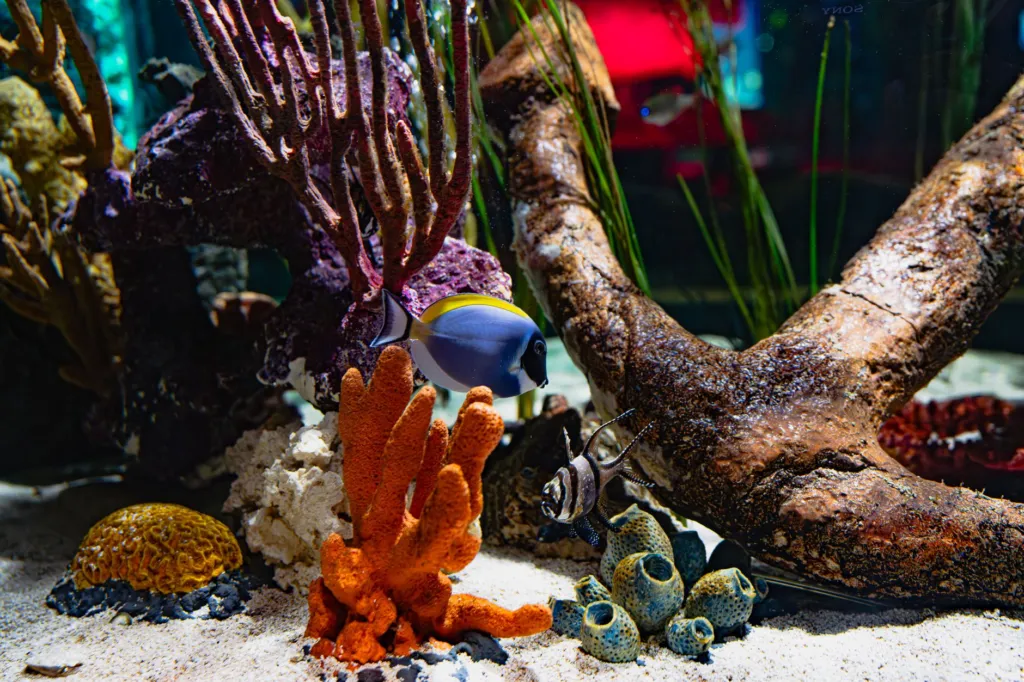
A stimulating environment is crucial for fish health and well-being. Environmental enrichment helps mimic a fish’s natural habitat, allowing them to engage in instinctual behaviors. When fish feel secure and engaged in their surroundings, they may be more open to recognizing and interacting with their owners.
To create a diverse habitat, consider incorporating elements such as:
- Live plants to promote foraging and hiding behaviors.
- Decorative structures like caves or tunnels for exploration.
- Different substrates to encourage natural digging and swimming behaviors.
By providing a varied habitat, you enhance the overall quality of life for your fish, which can lead to increased recognition and bonding.
Utilizing Visual and Auditory Stimuli
Fish are not only influenced by their physical environment but also by visual and auditory stimuli. Bright colors, moving objects, and even sounds can capture the attention of fish and encourage interaction. By integrating these stimuli into their habitat, owners can enhance the chances of recognizing and bonding with their fish.
Here are some ideas to incorporate visual and auditory stimuli:
- Use colored lights or LED displays to create captivating visual effects.
- Introduce aquarium-safe decorations that move or change color.
- Play soft music or use water features that create gentle sounds to engage their hearing.
These enhancements can make the environment more stimulating, which may help fish recognize and bond with their owners as they explore and interact with their enriched surroundings.
Frequently Asked Questions
Can all fish recognize their owners?
No, not all fish species have the same cognitive abilities. Some species, like goldfish and cichlids, are more likely to recognize their owners than more solitary species.
How long does it take for fish to recognize their owners?
The time it takes for fish to recognize their owners can vary. With regular interaction and feeding, they may begin to recognize you within a few weeks.
Do fish have feelings?
While fish do not experience emotions in the same way humans do, they do exhibit signs of stress and pleasure. Creating a comfortable environment can enhance their overall well-being.
What are signs that my fish recognize me?
Signs may include approaching the tank when you are nearby, displaying excitement during feeding times, and exhibiting less stress in your presence.
The Bottom Line
Fish can indeed recognize their owners, primarily through visual and auditory cues. Building a bond with your fish takes time and effort but can lead to a rewarding experience for both you and your aquatic companions. By understanding their behavior and creating a stimulating environment, you can enhance your pet care routine and enjoy a closer relationship with your fish.
Was this article helpful?

Writer at Mad4Pets. Lifelong animal lover who turns research and vet guidance into practical tips for everyday pet parents.