Recognizing Signs of Stress in Pets for Better Care
Learn to identify signs of stress in pets to ensure their well-being. This guide provides insights into behaviors and solutions for your furry friends.

Key takeaways
- Stress in pets can manifest in various behaviors.
- Common signs include changes in appetite and grooming habits.
- Creating a calm environment is crucial for pet well-being.
- Consult a veterinarian if stress symptoms persist.
Understanding Stress in Pets
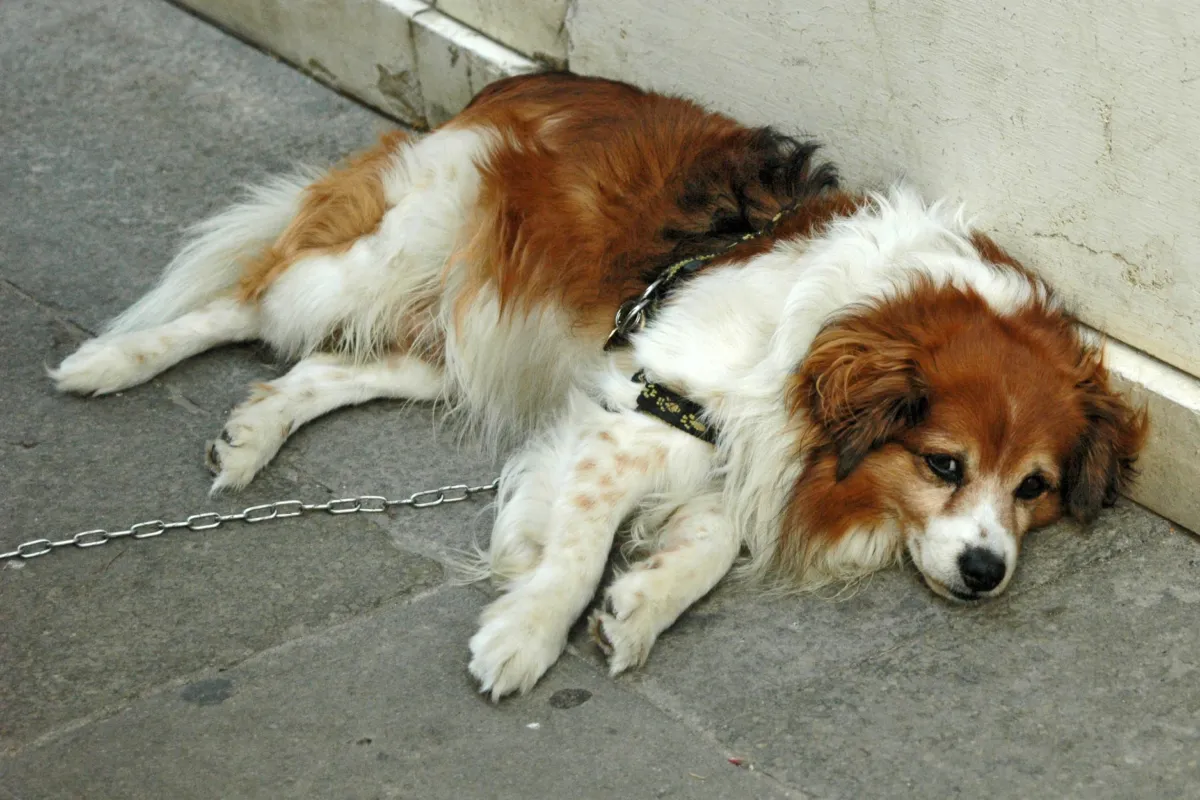
Pets, just like humans, can experience stress. It is essential for pet owners to recognize the signs of stress in their furry companions. Understanding these signs helps in addressing issues early on, ensuring a happier and healthier life for your pet.
Stress can arise from various sources including changes in the environment, loud noises, or even changes in routine. Pets may not express their discomfort verbally, so being observant is key. This article will delve into the common signs of stress in pets, how to identify them, and what steps to take to alleviate their anxiety.
As responsible pet owners, it is our duty to ensure that our pets feel safe and secure. By learning to recognize the signs of stress, we can take proactive measures to create a supportive environment for them.
Common Signs of Stress in Dogs
Dogs are incredibly expressive animals, often showing their stress through body language and behavior. Recognizing these signs is crucial for addressing any issues they may be facing.
Some common signs of stress in dogs include:
- Excessive Barking: Dogs may bark excessively when they feel anxious or threatened. This can be a sign of stress, especially if it occurs in situations that previously did not provoke such a reaction.
- Pacing: A stressed dog may pace back and forth restlessly. This repetitive movement can indicate discomfort and anxiety.
- Loss of Appetite: Dogs may refuse to eat or show a significant decrease in appetite when stressed. If your dog suddenly stops eating, it could be a sign of distress.
- Destructive Behavior: Chewing furniture or digging excessively can be a sign of stress. Dogs may resort to destructive behaviors as a way to cope with anxiety.
- Withdrawal: Some dogs may isolate themselves or become less interactive with their owners when they are feeling stressed.
Understanding these signs can help you respond appropriately to your dog’s needs. If you notice any of these behaviors consistently, it may be time to evaluate your pet’s environment or consult with a veterinarian.
Physical Signs of Stress in Dogs
In addition to behavioral signs, dogs may also exhibit physical symptoms of stress. These can include:
- Excessive Panting: While panting can be normal, excessive panting without physical exertion may indicate stress.
- Trembling or Shaking: Dogs may tremble or shake when they are anxious, often accompanied by other signs of discomfort.
- Changes in Fur Coat: A stressed dog may have a dull coat or excessive shedding. This can be a result of hormonal changes due to stress.
Common Signs of Stress in Cats
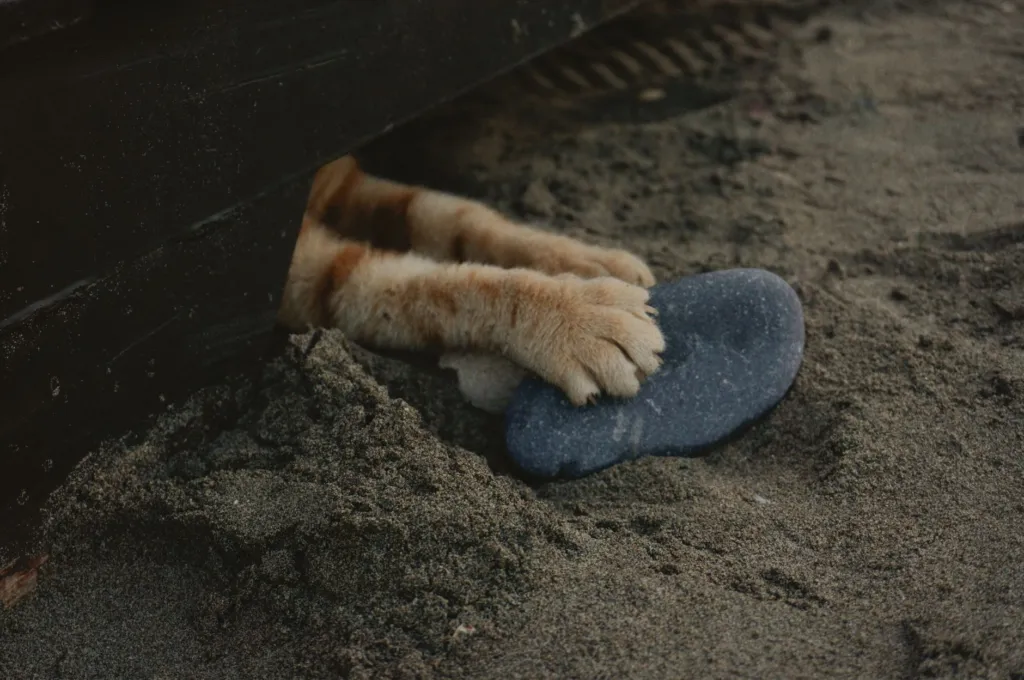
Cats may be more subtle in showing their stress compared to dogs, but they can still exhibit a range of behaviors that indicate discomfort. Recognizing these signs is essential for ensuring your cat’s well-being.
Here are some common signs of stress in cats:
- Hiding: A stressed cat may seek refuge in dark or enclosed spaces. If your cat is spending more time than usual hiding, it might be feeling anxious.
- Over-Grooming: Cats often groom themselves to comfort themselves. However, excessive grooming can lead to bald patches and is a sign of stress.
- Changes in Litter Box Habits: Stress can lead to inappropriate urination or defecation outside the litter box, which can be distressing for both the cat and the owner.
- Vocalization Changes: Increased vocalization, such as yowling or meowing, may indicate that your cat is under stress.
- Altered Appetite: Similar to dogs, cats may also experience changes in appetite when stressed, either eating less or exhibiting food aggression.
These signs can be subtle, making it crucial to be observant of your cat’s behavior. If you notice persistent signs of stress, consider discussing the matter with your veterinarian.
Physical Signs of Stress in Cats
Beyond behavioral cues, cats may also display physical signs of stress. These physical symptoms can provide additional insight into your cat’s emotional state:
- Body Language: A stressed cat may crouch low to the ground, with ears flattened against the head. This posture indicates fear or anxiety.
- Changes in Eyes: Cats may exhibit dilated pupils or an intense stare when stressed, signaling discomfort.
- Excessive Scratching: Increased scratching can indicate stress and can lead to skin issues if not addressed.
Environmental Causes of Stress in Pets
The environment plays a significant role in a pet’s emotional well-being. Understanding environmental stressors can help you mitigate their effects on your pets.
Some common environmental causes of stress in pets include:
- New Additions to the Household: Whether it’s a new pet or a new baby, changes in household dynamics can create stress for existing pets. They may feel threatened or anxious about sharing their space.
- Loud Noises: Fireworks, thunderstorms, or loud music can trigger stress responses in pets. Many animals have sensitive hearing and can become anxious during these events.
- Changes in Routine: Pets thrive on routine. Changes in feeding times, walking schedules, or even the absence of their owner can lead to anxiety.
- Travel: Traveling or moving to a new home can be particularly stressful for pets. The unfamiliar surroundings and changes in their environment may cause anxiety.
- Neglect: Lack of attention or interaction can lead to loneliness and stress for pets. Social animals, like dogs and cats, require engagement and companionship.
Identifying these environmental stressors allows you to take proactive measures to create a more secure and comforting atmosphere for your pets.
Tips for Reducing Stress in Pets
Once you identify the signs of stress in your pets, it is essential to take steps to alleviate their anxiety. Here are some practical tips to help reduce stress in pets:
- Create a Safe Space: Designate a quiet area for your pet where they can retreat when feeling overwhelmed. This space should contain their bed, favorite toys, and some comforting items.
- Maintain a Routine: Keeping a consistent schedule for feeding, walks, and playtime can help your pet feel more secure. Predictability is essential for reducing anxiety.
- Provide Mental Stimulation: Engage your pets with toys, puzzles, and interactive games. Mental stimulation can help reduce boredom and anxiety.
- Use Calming Products: Consider using calming collars, sprays, or diffusers that contain pheromones. These products can help create a calming environment for your pets.
- Regular Exercise: Ensure that your pets receive regular physical activity. Exercise is a great way to alleviate stress and improve overall well-being.
Behavioral Changes Indicating Stress
Altered Social Interactions
Pets under stress may exhibit significant changes in their social behavior. For instance, a previously social dog may start avoiding interactions with family members or other animals. This withdrawal can be a clear signal that something is amiss. Similarly, cats may stop seeking out their human companions or may hide more often than usual.
In some cases, pets may become overly clingy, seeking constant reassurance from their owners. This behavior can stem from anxiety or fear, indicating that the pet is struggling to cope with their environment. Observing these changes is crucial in understanding the emotional state of your pet.
- Excessive hiding or avoidance of interaction
- Seeking constant attention or reassurance
- Increased aggression towards people or other pets
Changes in Grooming Habits
Grooming is a natural behavior for both dogs and cats, but stress can lead to alterations in these habits. For example, a stressed pet may groom excessively, leading to bald patches or skin irritations. This compulsive grooming may be an attempt to self-soothe or cope with anxiety.
Conversely, some pets may stop grooming altogether, resulting in matted fur or a dirty coat. This lack of grooming can indicate that the pet is too overwhelmed to care for themselves properly. Keeping an eye on your pet’s grooming habits is essential for early detection of stress-related issues.
- Excessive grooming leading to skin issues
- Neglecting grooming, resulting in poor coat condition
- Changes in scratching behavior, especially in cats
Alterations in Eating Patterns
Stress can greatly influence a pet’s eating habits, and owners should be observant of any changes. Some pets may lose their appetite, refusing to eat their usual meals or treats. This can be particularly concerning as it can lead to weight loss and other health complications.
On the other hand, some pets may eat excessively when stressed, leading to obesity and associated health risks. Keeping a close watch on your pet’s food intake and weight can help you identify stress early on. If you notice any significant changes in their eating behavior, it may be time to consult a veterinarian.
- Refusal to eat or sudden weight loss
- Increased food consumption or begging behavior
- Changes in drinking habits, such as increased thirst

The Impact of Human Behavior on Pet Stress
Owner Reactions to Stress
How pet owners react to their pet’s stress can significantly influence the animal’s emotional state. If a pet shows signs of anxiety, an owner who panics or reacts negatively may exacerbate the situation. Instead, a calm and reassuring presence can help pets feel more secure. Understanding your own behavior is critical in managing your pet’s stress levels effectively.
For example, if a dog is scared of thunderstorms, an owner who becomes anxious may increase the dog’s fear. It’s essential to maintain a composed demeanor and provide a safe space for your pet to retreat to during stressful times.
- Practice calm behavior during stress-inducing situations
- Provide reassurance through gentle words and touch
- Establish a safe space for your pet
Training and Socialization Techniques
Proper training and socialization can have a lasting impact on a pet’s ability to handle stress. Introducing pets to various environments, people, and other animals gradually can help them develop coping mechanisms. Positive reinforcement training methods can also build a pet’s confidence and reduce anxiety in new situations.
Additionally, desensitization techniques may be beneficial for pets that react strongly to specific stimuli, such as loud noises or unfamiliar guests. Gradually exposing them to these triggers in a controlled manner can help them learn to manage their reactions over time.
- Use positive reinforcement to encourage calm behavior
- Gradually expose pets to new experiences
- Seek professional training if needed
Creating a Stress-Reducing Environment
The home environment plays a significant role in a pet’s stress levels. Providing a safe and comfortable space for your pet can make a world of difference. This can include creating a quiet area where they can retreat when feeling overwhelmed or stressed.
Additionally, incorporating familiar items such as their favorite blanket or toys can further enhance their sense of security. Keeping the environment predictable and routine can also help alleviate anxiety, as pets thrive on stability.
- Designate a quiet space for your pet
- Include familiar items to promote comfort
- Maintain a consistent daily routine
Understanding the Long-Term Effects of Stress
Physical Health Consequences
Chronic stress can have profound effects on a pet’s physical health, leading to various medical issues. Stress can weaken the immune system, making pets more susceptible to illness and infection. Long-term stress may also contribute to digestive problems, such as inflammatory bowel disease or obesity due to altered eating habits.
It’s essential to monitor your pet’s health regularly and consult a veterinarian if you suspect stress is affecting their well-being. Early intervention can prevent the development of more severe health issues that may arise from prolonged stress exposure.
- Weakened immune system
- Digestive issues such as vomiting or diarrhea
- Weight gain or loss due to eating behavior changes
Behavioral Disorders Linked to Stress
Pets that experience chronic stress may develop behavioral disorders, which can complicate their care and management. This includes issues such as separation anxiety, noise phobias, or compulsive behaviors like excessive barking or chewing. Identifying the root cause of these behaviors is crucial for effective treatment.
Behavioral therapy, along with environmental modifications, can often help alleviate these issues. In some cases, medication may be necessary to help pets cope with their anxiety effectively. Consulting with a veterinary behaviorist can provide tailored strategies for your pet’s specific needs.
- Separation anxiety leading to destructive behavior
- Noise phobias causing stress during events like fireworks
- Compulsive behaviors requiring behavioral intervention
Impact on the Human-Animal Bond
Stress in pets can also strain the bond between them and their owners. When pets exhibit signs of stress, it may lead to frustration or confusion for their owners, resulting in a breakdown of communication. Understanding the signs of stress and responding appropriately is essential for maintaining a healthy relationship.
Building a strong bond with your pet through trust and understanding can help mitigate the effects of stress. Engaging in positive interactions, such as playtime or training, can reinforce the bond and create a more harmonious living environment.
- Recognize stress signs to improve communication
- Engage in regular positive interactions
- Work on building trust through consistency
Frequently Asked Questions
What should I do if my pet is stressed?
First, identify the source of stress. Once you know what is causing the anxiety, you can implement strategies to address it. If symptoms persist, consulting with a veterinarian is advisable.
Can stress affect my pet’s health?
Yes, chronic stress can lead to various health issues in pets, including digestive problems, skin conditions, and weakened immune systems. Addressing stress is crucial for overall health.
How can I tell if my pet is happy?
Happy pets often display relaxed body language, engage in playful behavior, and maintain a good appetite. Regularly observing your pet’s behavior can help you determine their emotional state.
When should I consult a veterinarian about my pet’s stress?
If you notice persistent signs of stress or if your pet’s behavior significantly changes, it is essential to consult a veterinarian. They can provide guidance and support tailored to your pet’s needs.
The Bottom Line
Recognizing the signs of stress in pets is vital for ensuring their health and happiness. By being observant and proactive, you can address any issues that arise and create a nurturing environment. Remember that every pet is unique, and their stress responses may vary. Always consult with a veterinarian if you have concerns about your pet’s well-being.
Was this article helpful?

Writer at Mad4Pets. Lifelong animal lover who turns research and vet guidance into practical tips for everyday pet parents.