Best Dog Breeds for Apartment Living: Small and Adaptable
Discover the best dog breeds for apartment living, ideal for small spaces and families, ensuring a harmonious home environment for both pet and owner.


Key takeaways
- Small breeds adapt well to limited space.
- Moderate exercise needs suit apartment life.
- Temperament plays a vital role in choosing a breed.
- Training and socialization are essential for success.
Living in an apartment can provide unique challenges for pet ownership, especially when it comes to dogs. Many people wonder which dog breeds are best suited for apartment living. The ideal apartment dog should be small to medium-sized, have a calm demeanor, and possess a moderate exercise requirement. This article aims to guide you through the best dog breeds for apartment living, ensuring that your new furry friend fits seamlessly into your lifestyle.
Choosing the right breed is crucial for maintaining a harmonious living environment. Not only do you want a dog that will adapt well to smaller spaces, but you also need one that can thrive without a backyard. Factors to consider include the dog’s energy level, noise propensity, and social behavior. In this guide, we will discuss various breeds that excel in apartment settings, along with tips on training and care.
Whether you’re a first-time dog owner or looking to add to your family, this comprehensive guide will help you find the perfect apartment companion. From popular breeds to those less commonly known, we will explore options that meet various needs and lifestyles.
Top Dog Breeds for Apartment Living
When considering the best dog breeds for apartment living, it’s essential to focus on size, temperament, and exercise requirements. Below, we will explore several breeds known for their adaptability to smaller living spaces.
1. French Bulldog
The French Bulldog is a compact, muscular breed that thrives in apartment settings. They are affectionate and enjoy being around people but do not require excessive exercise. A few short walks and some playtime indoors are usually sufficient to keep them happy.
Known for their playful nature, French Bulldogs are excellent companions. They are not prone to excessive barking, making them suitable for shared living environments. Additionally, their minimal grooming needs add to their appeal.
2. Cavalier King Charles Spaniel
This affectionate breed is known for its gentle temperament and adaptability. Cavaliers are small in size and thrive in a variety of living conditions, including apartments. They enjoy companionship and are great for families or individuals.
Cavalier King Charles Spaniels require moderate exercise, which can easily be fulfilled with daily walks and indoor play. They are friendly with children and other pets, making them a versatile choice for apartment dwellers.
3. Dachshund
The Dachshund is a small breed with a distinct appearance and a lively personality. They adapt well to apartment living due to their size and moderate exercise needs. Daily walks and playtime will keep them content.
Dachshunds are known for their loyalty and affection towards their owners. While they can be a bit stubborn, consistent training can help them thrive in an apartment setting. They do require mental stimulation, so interactive toys can be beneficial.
Characteristics of Apartment-Friendly Breeds
Different breeds have varying characteristics that make them suitable for apartment living. Here are some key traits to look for when selecting a dog for a smaller space:
- Size: Smaller breeds tend to have an easier time adjusting to limited space.
- Energy Level: Moderate exercise requirements are ideal, as high-energy dogs may become restless indoors.
- Temperament: Calm and friendly dogs are less likely to disturb neighbors and create a peaceful environment.
- Noise Levels: Low barking tendencies are crucial in shared living spaces to maintain harmony.
Training Tips for Apartment Dogs
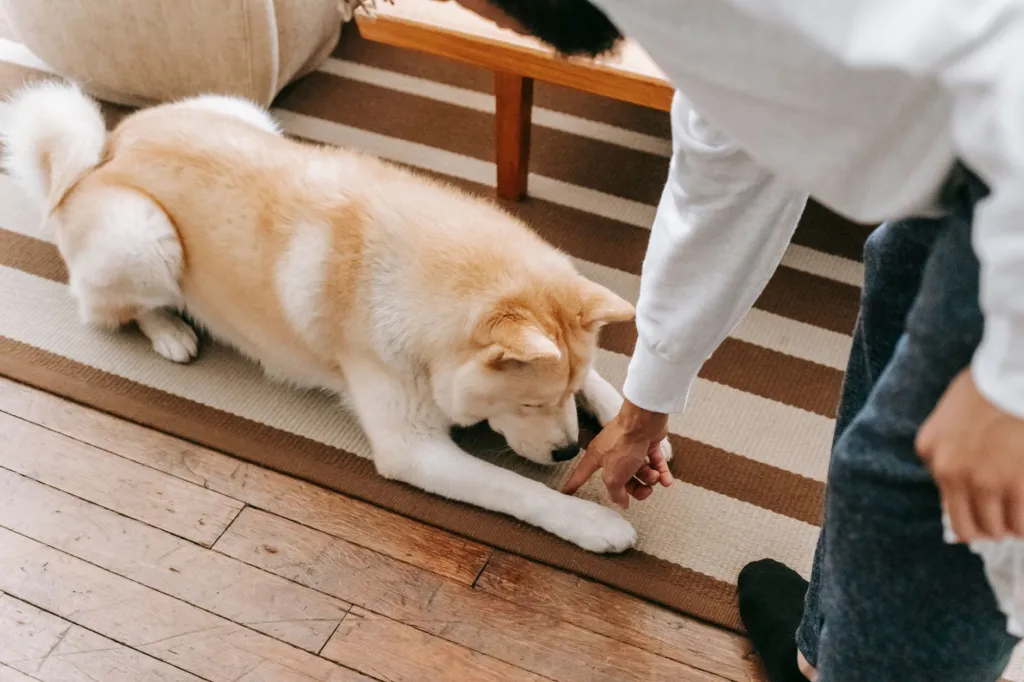
Training is essential for any dog, but it becomes especially important in an apartment setting. Here are some effective training tips to ensure your dog is well-behaved indoors:
1. Basic Commands
Start with basic commands such as sit, stay, and come. These commands help establish control and can be crucial in preventing unwanted behaviors.
2. Potty Training
Apartment living necessitates reliable potty training. Use positive reinforcement techniques to encourage your dog to relieve themselves outside. Consider crate training as a helpful tool.
3. Socialization
Expose your dog to different environments, people, and other pets to promote good behavior. Socialization can help reduce anxiety and prevent behavioral issues.
Exercise Needs for Apartment Dogs
While some breeds are more suited for apartment living, they still require regular exercise. Understanding the exercise needs of your chosen breed is essential for their health and happiness. Here’s a detailed look at the exercise needs for some popular apartment-friendly breeds:
| Breed | Daily Exercise Needs | Best Activities |
|---|---|---|
| French Bulldog | 30 minutes | Short walks, indoor play |
| Cavalier King Charles Spaniel | 30-60 minutes | Walks, fetch, playdates |
| Dachshund | 30 minutes | Walks, puzzle toys |
Choosing the Right Breed for You
When selecting a dog for apartment living, consider your lifestyle, work schedule, and family dynamics. Here are some factors to keep in mind:
- Activity Level: Choose a breed that matches your activity level. If you lead a more sedentary lifestyle, opt for a breed with lower exercise needs.
- Space Considerations: Ensure that your apartment has enough room for your dog to move around comfortably.
- Time for Training: Consider how much time you can dedicate to training and socializing your dog.

Preparing Your Apartment for a Dog
Before bringing your new dog home, it’s essential to prepare your apartment. Taking the time to create a safe and comfortable environment will help your dog adjust smoothly:
1. Dog-Proof Your Space
Remove any hazardous items or plants that could harm your dog. Ensure that electrical cords and small objects are out of reach.
2. Designate a Space
Set up a designated area for your dog, such as a bed or crate, where they can feel safe and secure.
3. Stock Up on Supplies
Gather essential supplies like food, water bowls, toys, and grooming tools to provide for your dog’s needs.
Understanding Dog Temperament for Apartment Living
Importance of Temperament
The temperament of a dog is crucial when considering an apartment-friendly breed. In smaller living spaces, dogs need to be calm, adaptable, and well-socialized to thrive. A dog with a stable temperament will be less likely to develop behavioral issues such as excessive barking or anxiety, which can be disruptive in close quarters. When selecting a breed, it’s essential to consider how their natural disposition aligns with apartment living.
Key Temperamental Traits
Some temperament traits are particularly beneficial for dogs living in apartments. Here are a few key characteristics to look for:
- Calmness: Dogs that are naturally calm tend to manage stress better and adapt more easily to confined spaces.
- Affectionate Nature: Breeds that enjoy human interaction can provide companionship without requiring extensive outdoor space.
- Socialization: Dogs that are well-socialized are typically more adaptable to different environments and can handle the presence of other pets and people.
Assessing Temperament
When assessing a dog’s temperament, it’s important to observe their behavior in various situations. Look for dogs that respond positively to social interactions, remain relaxed in novel environments, and display a willingness to learn. Spending time with potential pets before making a decision can provide insight into their personality and compatibility with your lifestyle.
Essential Health Considerations for Apartment Dogs
Common Health Issues
Small breeds often favored for apartment living can be prone to specific health issues. Understanding these common health concerns is crucial for potential dog owners, as it can affect the breed’s suitability for a confined space. Here are some typical health issues to monitor:
- Dental Problems: Smaller breeds tend to have dental issues due to their compact jaws. Regular dental care is essential.
- Obesity: Limited space for exercise can lead to obesity, particularly in breeds that are less active.
- Joint Problems: Breeds like Dachshunds are prone to back problems, so it’s important to ensure they maintain a healthy weight.
Preventative Healthcare
To mitigate health risks, preventative healthcare is essential. Regular veterinary check-ups, vaccinations, and preventive treatments for parasites can keep your dog healthy. Additionally, maintaining a balanced diet and encouraging physical activity, even in a confined space, is vital. Here are some tips:
- Quality Diet: Choose high-quality dog food appropriate for your dog’s age, size, and health status.
- Regular Vet Visits: Schedule annual check-ups to monitor for any developing health issues.
- Dental Care: Implement a dental hygiene routine, including regular brushing and professional cleanings.
Monitoring Behavioral Changes
Apartment living can lead to behavioral changes in dogs if they experience stress or anxiety. It’s important to monitor for signs such as excessive barking, destructive behavior, or withdrawal. If you notice these changes, consult with a veterinarian or a professional trainer to address the underlying issues. Early intervention can prevent more serious behavioral problems from developing.
Adapting Apartment Spaces for Your Dog
Creating a Dog-Friendly Environment
Transforming your apartment into a dog-friendly space is essential for a happy canine companion. A well-adapted environment can help alleviate stress and enhance your dog’s quality of life. Consider the following adjustments:
- Safe Zones: Create a designated area for your dog with their bed, toys, and water bowl to help them feel secure.
- Minimizing Hazards: Remove or secure items that could be harmful to your dog, such as toxic plants and small objects that could be swallowed.
- Comfortable Climate: Ensure your apartment maintains a comfortable temperature, as small breeds can be sensitive to extreme heat or cold.
Utilizing Vertical Space
In smaller apartments, maximizing vertical space can be beneficial for your dog’s exercise and mental stimulation. Consider installing shelves or using multi-level pet furniture that allows your dog to climb and explore. This can help keep your dog entertained and engaged, especially when outdoor activities are limited.
Incorporating Indoor Activities
To keep your dog mentally stimulated and physically active, consider incorporating indoor activities. Here are some engaging activities you can do with your dog:
- Interactive Toys: Invest in puzzle toys that challenge your dog to think and work for treats.
- Hide and Seek: Play hide and seek with your dog to encourage them to use their sense of smell and problem-solving skills.
- Indoor Agility: Set up a small agility course using furniture and household items to provide physical exercise.
By making thoughtful adjustments to your apartment and incorporating engaging activities, you can create a nurturing environment that supports your dog’s well-being and happiness.
Frequently Asked Questions
What is the best dog breed for a small apartment?
Breeds like the French Bulldog, Cavalier King Charles Spaniel, and Dachshund are among the best for small apartments due to their size and temperament.
How much exercise does an apartment dog need?
Most apartment dogs require at least 30 minutes of exercise daily, which can include walks, playtime, and mental stimulation activities.
Can larger dogs live in apartments?
While larger dogs can live in apartments, they typically require more space and exercise. Breeds like the Bulldog and Greyhound can adapt well if their needs are met.
How can I keep my apartment dog entertained?
Provide a variety of toys, engage in interactive play, and schedule regular outings to parks or dog-friendly areas to keep your dog entertained.
The Bottom Line
Choosing the best dog breeds for apartment living involves considering size, temperament, and exercise needs. Breeds like the French Bulldog, Cavalier King Charles Spaniel, and Dachshund are excellent choices for smaller spaces. With proper training, socialization, and care, your apartment dog can thrive in your living environment, bringing joy and companionship to your life.
Was this article helpful?

Writer at Mad4Pets. Lifelong animal lover who turns research and vet guidance into practical tips for everyday pet parents.