The Best Dog Breeds for Families With Kids
Friendly, patient and fun: meet the most family-friendly dog breeds, what each needs, and how to choose the right match for your household.

Key takeaways
- Temperament, energy and size matter more than looks when choosing a family dog.
- Labs, Goldens, Cavaliers, Beagles and Poodles are popular family choices, each with trade-offs.
- Adult rescue dogs with known temperaments can be ideal for busy families.
- Always supervise children and dogs, whatever the breed.
Choosing a dog for your family is an exciting decision, and an important one. The right match brings years of laughter, companionship and muddy-pawed adventures. The wrong match can mean stress for everyone, including the dog. While every dog is an individual, breed tendencies give you a helpful starting point when you are thinking about energy level, size, grooming needs and temperament.
In this guide we look at some of the most popular family-friendly breeds, what makes each one a good fit, and the challenges you should be ready for. We also cover how to choose a dog that suits your home and lifestyle, and why a mixed-breed dog from a rescue can be a fantastic option.
What Makes a Good Family Dog?
Before looking at specific breeds, it helps to know what qualities matter most in a busy household with children:
- Stable temperament: A good family dog is patient, tolerant of noise and commotion, and recovers quickly from surprises.
- Sociability: Friendly toward people, including visitors, and generally good with other animals.
- Trainability: Eager to learn and responsive to positive reinforcement, which makes teaching household manners easier.
- Appropriate size and energy: A dog whose exercise needs you can realistically meet, and whose size suits your home and the ages of your children.
- Manageable care needs: Grooming, health care and costs that fit your budget and schedule.
Remember that no breed is automatically safe with children. Any dog can bite if frightened, hurt or pushed too far, which is why supervision and teaching children how to behave around dogs are essential no matter which breed you choose.
Top Family-Friendly Dog Breeds
1. Labrador Retriever
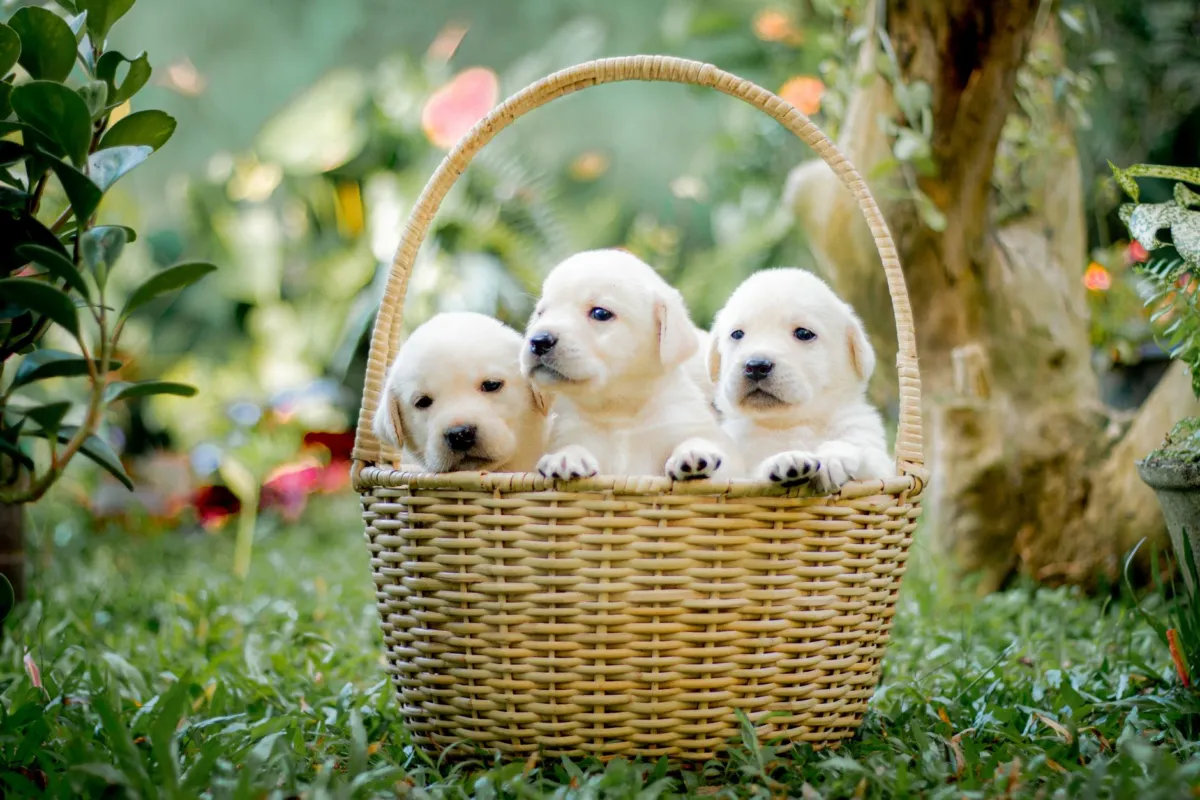
Labs are consistently among the most popular dogs in the world, and for good reason. They are friendly, outgoing, eager to please and famously good-natured with children. Labs love games, swimming and anything involving food, which makes training with treats very effective.
Be ready for: High energy, especially in young Labs, who need at least an hour of exercise a day and plenty of mental stimulation. They shed a lot and have a strong tendency to gain weight, so portion control matters. Adolescent Labs can be boisterous and mouthy, so early training is key.
2. Golden Retriever
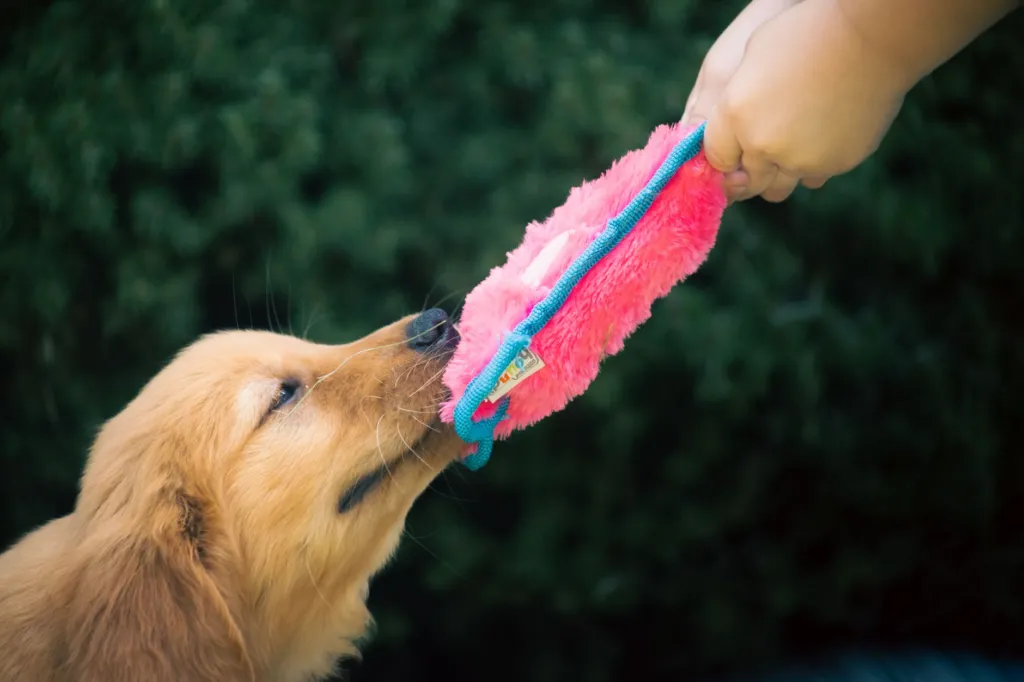
Golden Retrievers are gentle, affectionate and highly trainable. They tend to be patient with children and welcoming to guests, and they thrive on being part of family activities. Their soft mouths and love of fetching make them great playmates.
Be ready for: Heavy shedding and regular brushing, a need for daily exercise, and a long puppyhood. Goldens have a higher reported risk of certain cancers, and like many large breeds can be prone to hip and elbow dysplasia, so choosing a responsible breeder who health tests is important.
3. Cavalier King Charles Spaniel
These small, sweet-natured spaniels are true companion dogs. They are affectionate, adaptable to apartments or houses, and usually gentle with children and other pets. They enjoy walks but are equally happy to snuggle on the sofa.
Be ready for: Significant breed-related health concerns, including a heart condition called mitral valve disease and a neurological condition called syringomyelia. Research breeders carefully and budget for veterinary care.
4. Beagle
Beagles are cheerful, curious and sociable. Bred to hunt in packs, they usually get along well with other dogs and love company. Their compact size and sturdy build make them good companions for active children.
Be ready for: A powerful nose that can override training, so secure fencing and leashed walks are a must. Beagles can be vocal, with a distinctive bay, and they are notorious food thieves.
5. Poodle (Standard, Miniature or Toy)
Poodles are highly intelligent, athletic and eager to learn. Standard Poodles in particular are often excellent family dogs: playful, gentle and sturdy. Their low-shedding coat can be a plus for families who prefer less hair around the house.
Be ready for: Regular professional grooming every four to eight weeks. Poodles need mental challenges to avoid boredom. Toy Poodles are delicate and better suited to homes with older, gentle children.
6. Boxer
Boxers are playful, loyal and famously fun-loving, often keeping their puppy-like enthusiasm well into adulthood. They are protective of their families and often very patient with children.
Be ready for: High energy and boisterous play that can knock over small children. Their short muzzles make them sensitive to heat, and the breed has some predisposition to heart conditions and certain cancers.
7. Bichon Frise
Small, cheerful and affectionate, the Bichon is a people-oriented dog that adapts well to family life. They are playful but not overly demanding, and their low-shedding coat appeals to many families.
Be ready for: Regular grooming and professional trims, and potential challenges with house training. Bichons do not like being left alone for long periods.
8. Bernese Mountain Dog
Berners are gentle giants with calm, affectionate natures. They tend to be patient with children and devoted to their families, and they enjoy outdoor activities, especially in cooler weather.
Be ready for: A large size, heavy shedding and a sadly short average lifespan, often around seven to ten years, partly due to a high cancer rate. They need space and do not cope well with heat.
9. Collie
Rough and Smooth Collies are loyal, gentle and intelligent. They are sensitive dogs that bond deeply with their families and are often intuitive around children.
Be ready for: Herding instincts that may lead to nipping at heels or trying to round up running children, which can be managed with training. Rough Collies need regular brushing.
10. Newfoundland
Newfies are famous for their sweet, patient temperaments and have a long history as water rescue dogs. They are often described as nanny dogs because of their gentle nature with kids.
Be ready for: Sheer size, drool, heavy shedding and substantial food and veterinary costs. They need space and are not suited to hot climates.
11. Mixed-Breed Rescue Dogs
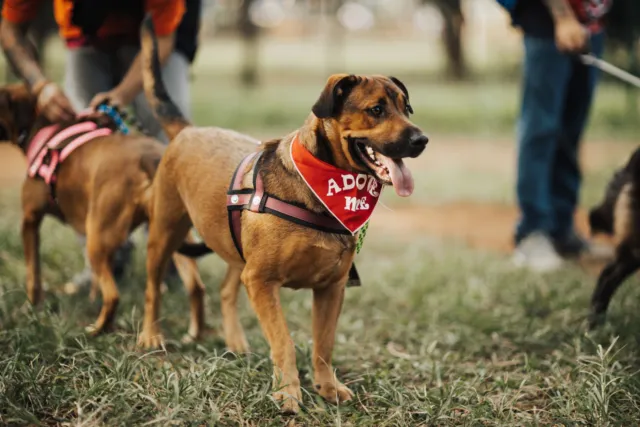
Some of the best family dogs have no pedigree at all. Many shelters and rescues know their adult dogs well, often through foster homes, and can tell you exactly how a dog behaves with children, cats and other dogs. Adopting an adult dog also means you can see their personality and energy level rather than guessing how a puppy will turn out.
Breed Comparison at a Glance
| Breed | Size | Energy | Grooming | Best for |
|---|---|---|---|---|
| Labrador Retriever | Large | High | Moderate, sheds | Active families |
| Golden Retriever | Large | High | High, sheds | Active families |
| Cavalier King Charles Spaniel | Small | Moderate | Moderate | Apartments, calmer homes |
| Beagle | Small to medium | High | Low | Families with secure yards |
| Standard Poodle | Large | High | High, low shedding | Allergy-conscious families |
| Boxer | Medium to large | High | Low | Families with older kids |
| Bichon Frise | Small | Moderate | High, low shedding | Smaller homes |
| Bernese Mountain Dog | Giant | Moderate | High, sheds | Cool climates, big homes |
How to Choose the Right Dog for Your Family
Be Honest About Your Lifestyle
Think about how much time you genuinely have each day for walks, training and play. A high-energy breed in a household that is out all day can quickly become frustrated and destructive. If your weekends are spent hiking, an athletic dog could be perfect. If you prefer quiet evenings, a lower-energy companion breed or an older rescue may suit you better.
Consider Your Children’s Ages
Very small or fragile dogs can be injured by toddlers who drop or squeeze them, and they may learn to fear children. Very large, bouncy dogs can accidentally knock over little ones. For families with young children, a sturdy medium-sized dog with a calm temperament is often a good compromise.
Think About Space and Housing
Check any rental or building restrictions on size or breed. Consider whether you have a secure yard, and how close you are to parks and walking routes.
Allergies
No dog is completely hypoallergenic, because allergens are found in saliva and skin flakes as well as hair. However, some low-shedding breeds such as Poodles and Bichons may cause fewer symptoms for some people. Spend time with the breed before committing if anyone in your home has allergies.
Budget for the Full Cost
Beyond the purchase or adoption fee, factor in food, grooming, training classes, insurance, routine vet care, and emergencies. Large and giant breeds cost more in almost every category.

Breeds That Can Be Challenging for First-Time Families
Some breeds are wonderful dogs in the right hands but may be a tougher fit for a first-time owner with a busy family schedule. That does not mean they are bad dogs, only that they need more experience, time or specific conditions to thrive.
- Border Collies and Australian Shepherds: Brilliant and loving, but their intense need for work and exercise can overwhelm families who cannot provide hours of activity and training. Without it, they may herd children or develop obsessive habits.
- Siberian Huskies: Friendly and playful, yet famous escape artists with a strong prey drive and high exercise needs. They also shed heavily and can be vocal.
- Belgian Malinois and other working breeds: Extremely driven dogs bred for police and protection work. They need experienced handlers and a real job to do.
- Jack Russell Terriers: Small but mighty, with huge energy and determination. They can be snappy if handled roughly and may chase small pets.
- Livestock guardian breeds: Dogs such as Great Pyrenees and Anatolian Shepherds are independent thinkers bred to protect, which can make them wary of visitors and less responsive to training.
If you love one of these breeds, talk to experienced owners and breed rescues, and be honest about whether you can meet their needs.
Preparing Your Home for a New Family Dog
A little preparation before your dog arrives makes the first weeks much smoother for everyone.
- Agree on house rules: Decide as a family whether the dog is allowed on sofas and beds, which rooms are off limits, and who is responsible for feeding, walking and cleaning up. Consistency helps dogs learn faster.
- Puppy-proof or dog-proof: Move shoes, toys, cables and medications out of reach. Secure trash cans and check fences for gaps.
- Set up a quiet zone: A crate or bed in a calm corner gives your dog somewhere to retreat and rest. Make it off-limits to children.
- Gather supplies: Food and water bowls, the same food the dog has been eating, a collar with ID tag, leash, harness, bed, chew toys, grooming tools, poop bags and an enzymatic cleaner.
- Book a vet visit: Schedule a check-up within the first week or two, and bring any records from the breeder or rescue.
- Find a trainer: Look for positive-reinforcement puppy or family manners classes. They are fun for kids to attend too.
Keep the first few days calm and low-key, with short visits from friends and plenty of rest. Even the most sociable dog needs time to adjust to a new home.
Finding a Responsible Breeder or Rescue
If you decide on a purebred puppy, choose a breeder who health tests their breeding dogs for conditions relevant to the breed, raises puppies in a home environment, lets you meet the mother, and asks you plenty of questions. Avoid sellers who always have puppies available, will not show you where puppies are raised, or offer to meet you in a parking lot.
Rescues and shelters are wonderful sources of family dogs, including purebreds. Many offer trial periods or foster-to-adopt programs, plus support after adoption.
Teaching Kids and Dogs to Live Together
Whichever dog you choose, success depends on setting both kids and dog up well:
- Always supervise young children with dogs, even trusted ones.
- Teach children to let dogs approach them, rather than chasing or hugging.
- Show kids gentle petting on the chest or side, not the head or tail.
- Give your dog a safe retreat space, like a crate or bed, where children are not allowed to disturb them.
- Never let children bother a dog that is eating, sleeping or chewing.
- Teach kids to recognize signs that a dog wants space, like turning away, yawning, lip licking or stiffening.
- Involve older children in training, feeding and walking to build a positive relationship.
Frequently Asked Questions
What is the calmest family dog breed?
Breeds often described as calm include Cavalier King Charles Spaniels, Bernese Mountain Dogs, Newfoundlands and Basset Hounds. Remember that puppies of any breed are energetic, and individual temperament varies. Adopting an adult dog with a known calm personality is the most reliable way to get a mellow companion.
Should I get a puppy or an adult dog?
Puppies require intensive training, supervision and patience, which can be a lot to manage alongside young children. Adult dogs often come already house trained with a known temperament. Both can be wonderful; choose based on how much time and energy your family has.
Are small dogs better for kids?
Not necessarily. Tiny breeds can be fragile and may become defensive if handled roughly. Sturdy small-to-medium breeds or calm larger dogs are often better suited to families with young children.
Is a male or female dog better for families?
Individual personality matters far more than sex. Neutered males and spayed females can both make excellent family pets. Focus on temperament, energy level and how the dog responds to your family.
The Bottom Line
The best family dog is one whose needs match what your family can give. Labs, Goldens, Cavaliers, Beagles, Poodles and many wonderful mixed breeds all have a lot to offer, but each comes with responsibilities. Research carefully, meet dogs in person, and involve the whole family in the decision. With the right match and good preparation, your new dog will become a cherished member of the family for years to come.
Was this article helpful?

The Mad4Pets editorial team is a group of lifelong pet owners and writers who turn trusted veterinary guidance into practical, easy-to-follow advice for everyday pet parents.