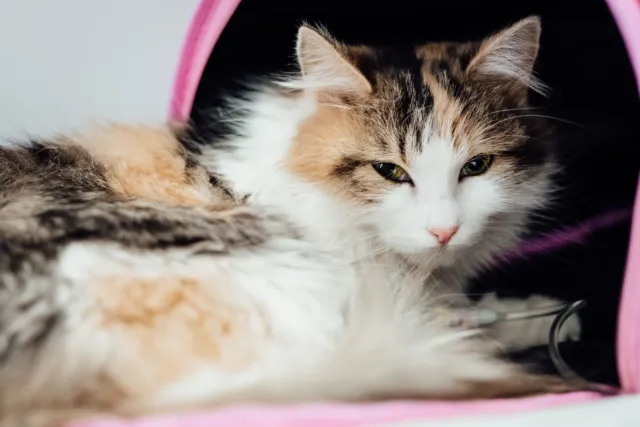
Travel Safely With Your Cat: Essential Tips and Guide
Learn how to travel safely with a cat, ensuring comfort and security during your journey together. Practical tips for every cat owner.

Key takeaways
- Prepare your cat for travel well in advance.
- Choose the right carrier and ensure it's comfortable.
- Plan for safety, hydration, and breaks during your journey.
Traveling with your cat can be a rewarding experience, but it requires careful planning and preparation. Whether you are moving to a new home, going on a vacation, or simply visiting family, ensuring your cat’s safety and comfort during the journey is crucial. This guide will help you learn how to travel safely with a cat, offering practical tips and advice.
Cats are creatures of habit and can be sensitive to changes in their environment. A sudden trip can be stressful for them. However, with the right approach, you can make the experience more enjoyable for both of you. From choosing the right carrier to planning for breaks, this guide covers everything you need to know.
Let’s dive into the essential steps to ensure your cat travels safely and comfortably.
Preparing Your Cat for Travel
Before embarking on your journey, it’s essential to prepare your cat. This includes acclimatizing them to their carrier and ensuring they are healthy enough for travel.
Start by introducing your cat to the carrier well in advance. Leave the carrier open in a familiar space and place their favorite blanket or toy inside. Encourage them to explore it on their own terms. You want the carrier to feel like a safe space, not a confinement.
Additionally, schedule a visit to your veterinarian. This is especially important if it has been a while since their last check-up. Your vet can provide advice tailored to your cat’s health and needs. They may suggest vaccinations or treatments if you are traveling to a different region.
Health Checks
- Schedule a vet visit to ensure your cat is fit for travel.
- Discuss any necessary vaccinations or medications, especially if crossing state lines.
- Obtain a health certificate if required for travel.
Familiarization with the Carrier
- Leave the carrier out for your cat to explore freely.
- Use treats or toys to create positive associations with the carrier.
- Practice short car rides to help them adjust to the motion.
Choosing the Right Carrier
The right carrier is essential for a safe and comfortable travel experience. You should assess various factors before making your choice.
First, consider the size of the carrier. It should be spacious enough for your cat to stand, turn around, and lie down comfortably. However, it should not be so large that your cat feels insecure.
Secondly, look for a carrier that is well-ventilated. Good airflow is crucial during travel, especially if you are going to be in a car for an extended period. Additionally, the carrier should have secure closures to prevent any escape.
Types of Carriers
- Soft-sided carriers: These are lightweight and flexible, suitable for most cats.
- Hard-sided carriers: These offer more protection and are often easier to clean.
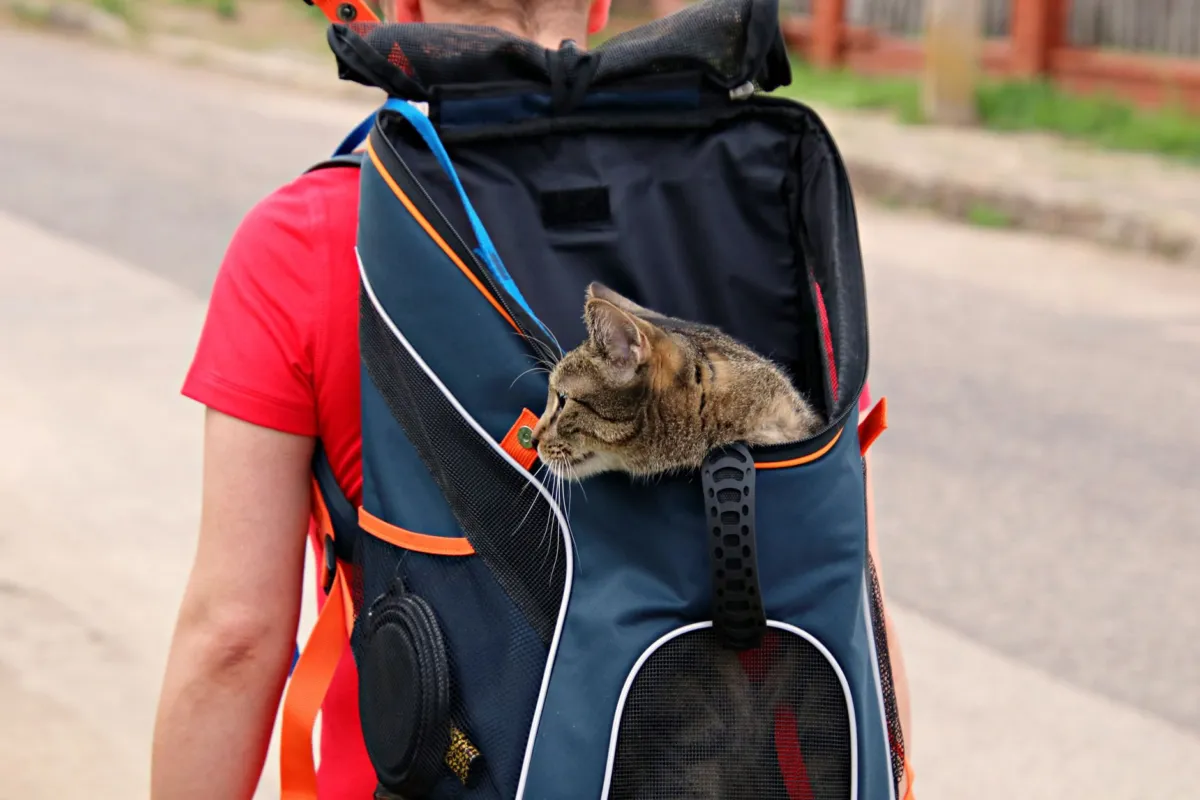
- Backpack carriers: Ideal for hikes or walks, these allow for hands-free transport.
Safety Features
- Ensure the carrier has a secure locking mechanism.
- Check for safety straps that can attach to the car seat.
- Look for carriers with reflective strips for visibility at night.

Planning Your Journey
Once you have prepared your cat and chosen an appropriate carrier, the next step is planning your journey. Whether you are driving or flying, planning will ensure a smoother experience.
If you are traveling by car, map out your route and identify rest stops. Cats need breaks just like humans do, so plan to stop every couple of hours. This allows your cat to stretch and use the litter box if needed.
For air travel, check the airline’s pet policy in advance. Some airlines have specific guidelines regarding pet carriers, fees, and health documentation. Arrive at the airport early to allow ample time for check-in procedures.
Road Trip Planning
- Identify cat-friendly hotels along your route.
- Pack essential supplies like food, water, and a portable litter box.
- Consider your cat’s routine; try to stick to feeding and sleeping schedules.
Air Travel Tips
- Book a direct flight to minimize travel time.
- Keep your cat in the carrier under the seat in front of you.
- Bring familiar items like a blanket or toy to comfort your cat.
During the Journey
During travel, keeping your cat calm and comfortable is paramount. Here are some strategies to help manage their stress.
Make sure to secure the carrier in your vehicle. This prevents it from moving around during transit, which can be unsettling for your cat. If your cat tends to vocalize during travel, avoid overreacting; it’s natural for them to express their feelings.
Hydration is also crucial. Offer your cat water during breaks, and consider using a spill-proof water bowl to minimize mess. If you are traveling for an extended period, you may want to bring along some wet food to ensure they are getting sufficient moisture.
Keeping Your Cat Calm
- Play soft music to create a soothing atmosphere.
- Use calming sprays or pheromones to reduce anxiety.
- Offer treats during breaks to create positive associations with travel.
Feeding During Travel
- Stick to your cat’s usual feeding schedule as much as possible.
- Bring familiar food to avoid digestive issues.
- Feed smaller meals to prevent motion sickness.
Accommodations and Settling In
Once you reach your destination, it’s important to help your cat settle into the new environment. Allow them to explore at their own pace. Start by setting up a designated space with their litter box, food and water bowls, and familiar items.
Supervise their initial explorations. This helps ensure they do not wander into unsafe areas. If your cat seems overwhelmed, consider confining them to a quiet room until they adjust.
Gradually introduce them to other areas of your home or accommodations. Be patient; it may take a day or two for your cat to feel comfortable in a new space.
Setting Up a Safe Space
- Create a cozy area with their bed and favorite toys.
- Provide access to their litter box and food without obstacles.
- Avoid loud noises or sudden movements that may startle them.
Monitoring Behavior
- Watch for signs of stress or discomfort.
- Encourage playtime to help them acclimate.
- Be aware of their eating and drinking habits during the adjustment period.

Traveling with Special Needs Cats
If your cat has special needs, additional preparations are necessary. Cats with medical conditions or those that are elderly may require extra care.
Consult your veterinarian about any specific needs your cat may have. They may recommend medications to manage anxiety or suggestions on how to make travel easier. Bring any necessary medications and keep them in an easily accessible place.
For senior cats, consider their mobility. If they need help getting in and out of the carrier or vehicle, make arrangements ahead of time. Ensure their comfort is a top priority.
Health Considerations
- Have a list of your cat’s medications and dosages on hand.
- Keep a first aid kit with essentials for emergencies.
- Monitor their health closely for any changes during travel.
Comfort Measures
- Use soft bedding in the carrier to support joints.
- Minimize long travel times; take frequent breaks.
- Provide calming supplements if recommended by your vet.
Understanding Your Cat’s Behavior During Travel
Traveling can be stressful for cats, and understanding their behavior is crucial for a smooth journey. Cats are creatures of habit, and changes in their environment can lead to anxiety. Recognizing signs of stress and knowing how to address them can make a significant difference.
Common Signs of Stress
When traveling, your cat may exhibit various signs of stress. These can include vocalizations, excessive grooming, hiding, or even aggression. Being aware of these behaviors can help you intervene early and provide comfort. Here are some common signs to look out for:
- Hiding in the carrier
- Excessive meowing or yowling
- Refusal to eat or drink
- Vomiting or diarrhea
- Increased aggression or irritability
Creating a Calm Environment
To mitigate stress during travel, it’s essential to create a calming environment for your cat. Begin by familiarizing your cat with the carrier well before the trip. Allowing your cat to explore the carrier at home can reduce anxiety on the day of travel. Consider the following tips:
- Use familiar blankets or toys to provide comfort.
- Keep the carrier in a quiet room for a few days prior to the trip.
- Consider using pheromone sprays or calming collars designed for cats.

Packing for Your Cat’s Comfort
When traveling, it’s important to pack essentials for your cat’s comfort and safety. A well-prepared travel kit can make the journey smoother for both you and your feline friend. Here’s what to include in your travel supplies.
Essential Items to Pack
Your cat’s travel bag should include items that cater to their needs while on the road. Here’s a checklist of essential items:
- Food and water bowls
- Enough food for the entire trip
- Portable litter box and litter
- Medications and health records
- Comfort items (blanket, toy)
Maintaining Hydration and Nutrition
Keeping your cat hydrated and well-fed during travel is vital. Cats can become stressed, leading to decreased appetite and hydration. To ensure your cat stays healthy, consider the following strategies:
- Offer small amounts of water regularly, especially during long trips.
- Bring along familiar food to avoid digestive issues.
- Schedule regular breaks to allow your cat to eat and drink.
Post-Travel Care for Your Cat
Once you arrive at your destination, it’s crucial to provide your cat with proper post-travel care. Transitioning into a new environment can be overwhelming, and your cat may need time to adjust. Here’s how you can help them settle in.
Establishing a Safe Space
Creating a safe and quiet space for your cat in the new environment is important. This space should include their carrier, bedding, litter box, and food and water bowls. Here are some tips for setting up:
- Choose a quiet area away from foot traffic.
- Use familiar items to help them feel at home.
- Allow your cat to explore the space at their own pace.
Monitoring Health and Behavior
After travel, keep a close eye on your cat’s health and behavior. Look for any signs of stress or illness that may have developed during the journey. It’s essential to observe their eating, drinking, and litter box habits closely. If you notice any concerning symptoms, consult a veterinarian promptly. Some signs to watch for include:
- Changes in appetite or drinking habits
- Behavioral changes such as excessive hiding
- Vomiting, diarrhea, or lethargy
By understanding your cat’s behavior, ensuring their comfort through proper packing, and providing post-travel care, you can create a more enjoyable travel experience for both you and your feline companion.
Frequently Asked Questions
Can I travel with my cat without a carrier?
No, it’s unsafe to travel with your cat outside of a secure carrier. A carrier protects your cat and keeps them from roaming in the vehicle, which can lead to accidents.
How do I help my cat feel comfortable in the carrier?
To help your cat feel comfortable, make the carrier a positive space. Use treats, toys, and familiar scents to create a welcoming environment.
What should I do if my cat gets sick during travel?
If your cat becomes ill during travel, pull over safely and assess the situation. Contact a veterinarian if necessary. Keep a first aid kit handy for emergencies.
Is it safe to travel with a kitten?
Yes, but ensure they are old enough for travel (at least 8 weeks old) and have received their vaccinations. Follow the same guidelines as for adult cats.
The Bottom Line
Traveling safely with a cat requires careful planning and consideration. By preparing your cat, choosing the right carrier, and making informed decisions during travel, you can ensure a positive experience for both you and your feline friend. Remember to take it slow, keep your cat’s comfort and safety in mind, and enjoy the journey together.
Was this article helpful?

Writer at Mad4Pets. Lifelong animal lover who turns research and vet guidance into practical tips for everyday pet parents.