Effective Ways to Prevent Aquarium Fish Diseases
Learn how to prevent aquarium fish diseases with effective strategies and tips that ensure a healthy environment for your aquatic friends.

Key takeaways
- Regular tank maintenance is essential.
- Quarantine new fish before introducing them.
- Monitor water quality consistently.
- Educate yourself on common fish diseases.
Keeping aquarium fish healthy is a rewarding experience, but it requires knowledge and diligence. Preventing aquarium fish diseases is fundamental to maintaining a vibrant and thriving aquatic community. Fish are often sensitive to changes in their environment, and a stressed fish is more susceptible to illness. This article will guide you through effective strategies to keep your fish safe from diseases, ensuring they lead long, happy lives.
Whether you are a novice aquarist or a seasoned fish keeper, understanding the common causes of fish diseases and implementing preventive measures is critical. This comprehensive guide will cover essential aspects such as tank maintenance, water quality, and the importance of quarantining new arrivals.
Before diving into the specifics, it’s important to recognize that while many diseases are preventable, some may still arise. Knowing how to identify symptoms early is essential for effective treatment. However, prevention is always the best approach. Read on to discover practical tips for keeping your aquarium fish healthy.
Understanding Fish Diseases
Fish diseases can arise from various factors, including poor water quality, overcrowding, and stress. Understanding the types of diseases and their causes can help you take preventive measures. Here are some common categories of fish diseases:
- Infectious Diseases: Caused by pathogens such as bacteria, viruses, or parasites. Examples include ich (ichthyophthirius multifiliis) and fin rot.
- Environmental Diseases: Result from poor water conditions, such as high ammonia or nitrite levels. Symptoms may include lethargy or gasping at the surface.
- Stress-related Diseases: Occur when fish are subjected to stressful conditions like overcrowding or aggressive tank mates, leading to weakened immune systems.
Common Symptoms of Fish Diseases
Identifying the symptoms of fish diseases early can significantly improve recovery chances. Here are some signs to watch for:
- Abnormal swimming patterns, such as floating or sinking.
- Changes in appetite, including refusal to eat.
- Visible lesions or discoloration on the skin.
- Fins that appear frayed or clamped against the body.
- Gasping for air at the water’s surface.
Maintaining Water Quality
Water quality is one of the most critical factors in preventing fish diseases. Regular monitoring and maintenance are vital to ensure a stable and healthy environment. Here are key aspects to consider:
Testing Water Parameters
Regular testing of your aquarium water can help detect any imbalances before they cause stress or illness. You should monitor the following parameters:
- pH Levels: Ideal pH levels vary by species but generally range from 6.5 to 7.5.
- Ammonia and Nitrite: Both should be at 0 ppm. Any detectable levels indicate a problem.
- Nitrate Levels: Should ideally be below 20 ppm. Regular water changes can help keep nitrates low.
- Hardness and Alkalinity: These levels influence the overall health of your fish and should be appropriate for your species.
Regular Water Changes
Performing regular water changes is vital for maintaining water quality. Here are some tips:
- Change 10-15% of the water weekly or 25-30% bi-weekly for a typical community tank.
- Use a water conditioner to remove chlorine and chloramines from tap water.
- Always match the temperature of the new water to the aquarium water before adding it.
Filtration and Aeration
A good filtration system keeps the water clean and well-oxygenated. Consider the following:
- Choose a filter suitable for your tank size and fish load.
- Clean the filter media regularly, but avoid replacing it too often to maintain beneficial bacteria.
- Ensure adequate aeration to promote oxygen exchange. Air stones or surface agitation can help.
Proper Tank Setup
A well-designed aquarium setup can significantly reduce the risk of disease outbreaks. Here are essential components to consider:
Choosing the Right Tank Size
The size of your aquarium plays a crucial role in the health of your fish. A larger tank provides a more stable environment. Here are some considerations:
- Research the adult size of the fish species you plan to keep. Overcrowding can lead to stress and disease.
- A general rule of thumb is to allocate one inch of fish per gallon of water, but this varies by species.
- Consider a larger tank for community setups, as this helps distribute waste and maintain water quality.
Decor and Hiding Spots
Providing hiding spots and suitable decor can reduce stress among fish. Here are ideas for creating a comfortable habitat:
- Use natural materials like rocks, driftwood, and plants to mimic a fish’s natural environment.
- Ensure that decor is smooth and free from sharp edges to prevent injury.
- Avoid overcrowding the tank with too many decorations, as this can limit swimming space.
Selecting Compatible Species
Compatibility among tank mates is crucial for reducing stress-related diseases. Follow these guidelines:
- Research the temperament and space requirements of each species.
- Avoid mixing aggressive and peaceful fish, as this can lead to stress and injury.
- Introduce new fish gradually and observe their interactions.
Quarantining New Fish
Quarantine is an essential practice that can prevent the introduction of diseases into your main tank. Here are steps to effectively quarantine new arrivals:
Setting Up a Quarantine Tank
Your quarantine tank does not need to be elaborate. Here’s what you need:
- A small tank (10-20 gallons) with a heater and filter.
- Substrate and decorations to reduce stress but keep it minimal.
- Test kits to monitor water quality.
Duration of Quarantine
New fish should generally be quarantined for at least two weeks. Here’s why:
- This period allows you to observe for any signs of illness.
- It provides time for any potential diseases to manifest before introducing them to the main tank.
- Monitor feeding behavior, as a lack of appetite can be an early sign of stress or illness.
Medication During Quarantine
If you notice any signs of disease in the quarantine tank, take immediate action:
- Consult with a veterinarian regarding appropriate medications.
- Follow the recommended dosages and treatment duration carefully.
- Do not treat the main tank unless absolutely necessary, as this can disrupt the beneficial bacteria.
Feeding and Nutrition
A well-balanced diet is vital for the overall health of your fish. Proper nutrition can enhance their immune systems and reduce the likelihood of disease. Here’s how to ensure your fish are well-fed:
Choosing Quality Fish Food
Selecting high-quality food is the first step to providing good nutrition. Consider these points:
- Choose a diet formulated for the specific species you are keeping. Different fish have different nutritional needs.
- Incorporate a mix of flakes, pellets, and frozen or live foods to provide variety.
- Avoid overfeeding, as uneaten food can pollute the water.
Feeding Frequency
Feeding frequency can vary based on the species and age of the fish. Here are general guidelines:
- Feed adult fish once or twice daily, ensuring they consume the food within a few minutes.
- Juvenile fish may require more frequent feeding, up to three times a day.
- Observe your fish to adjust feeding amounts based on their appetite and behavior.
Supplements and Treats
Occasionally, you may want to provide supplements or treats to boost health. Here’s what to consider:
- Garlic can be a beneficial supplement that enhances appetite and supports immune function.
- Spirulina and other algae-based products can provide essential nutrients.
- Use treats sparingly to avoid disrupting their regular diet.
Regular Observation and Maintenance
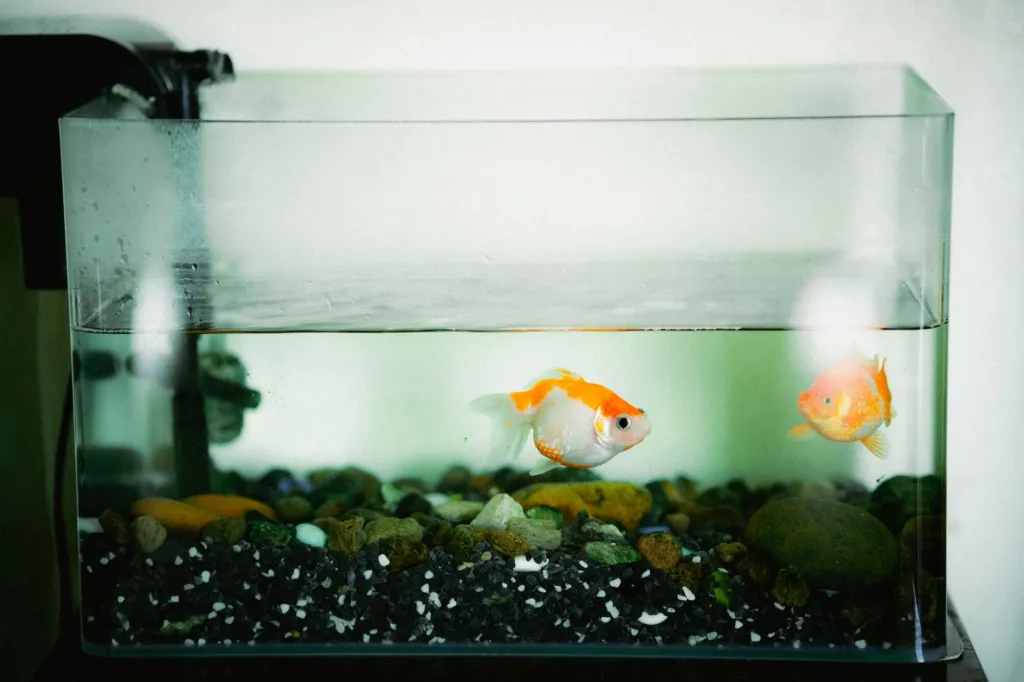
Regular observation is key to early detection of potential health issues. Here’s how to stay vigilant:
Daily Fish Checks
Make it a habit to observe your fish daily. Here’s what to look for:
- Check for any visible signs of disease, unusual behavior, or changes in appetite.
- Monitor interactions between fish to ensure there are no aggressive behaviors.
- Look for any changes in water clarity or odor, which may indicate a problem.
Scheduled Maintenance Tasks
Establish a routine for tank maintenance to keep your aquarium healthy. Consider these tasks:
- Weekly water testing and partial water changes.
- Regular cleaning of the substrate and decorations.
- Monthly deep cleaning of filters and equipment.
Record Keeping
Keeping a record of your tank parameters and maintenance can help detect trends over time. Here’s how to organize your records:
- Document water test results weekly, noting any changes.
- Keep track of feeding schedules and amounts.
- Record any observed symptoms or health issues for future reference.
Enhancing Fish Immunity Through Stress Management
Recognizing Stress Indicators
Fish, like all animals, experience stress, which can weaken their immune systems and make them more susceptible to diseases. Common indicators of stress in fish include erratic swimming patterns, excessive hiding, and unusual surface behavior. Observing these signs early can help you take steps to mitigate stress and improve your fish’s overall health.
Here are some stress indicators to watch for:
- Hiding more than usual
- Gasping at the water’s surface
- Loss of appetite
- Faded coloration
- Increased aggression towards tank mates
Creating a Calm Environment
Establishing a peaceful habitat is crucial in minimizing stress for your aquarium fish. This can include using plants and decorations that provide hiding spots and ensuring that the tank is not located in a high-traffic area of your home. Furthermore, introducing a consistent lighting schedule that mimics natural day and night cycles can help fish feel secure and reduce anxiety.
Consider adding some of the following elements to create a calming environment:
- Live or artificial plants
- Rocks and caves for hiding
- Soft lighting
- Gentle water movement
Social Dynamics and Tank Mates
Choosing the right tank mates is essential for reducing stress. Some fish species are more aggressive or territorial than others, which can lead to conflicts and increased stress levels. Researching compatibility before introducing new fish can prevent aggressive interactions and promote a harmonious environment.
When selecting tank mates, consider the following factors:
- Size of the fish
- Temperament
- Schooling behavior
- Habitat needs
Utilizing Natural Preventative Measures
Beneficial Bacteria and Biofiltration
Utilizing beneficial bacteria can be an effective method to prevent diseases in your aquarium. These bacteria help to break down waste and maintain a balanced ecosystem within the tank, which can help reduce toxins and harmful bacteria that lead to diseases. Establishing a robust biofiltration system can help maintain these beneficial bacteria levels.
To promote beneficial bacteria growth, consider:
- Adding bacterial supplements during tank setup
- Avoiding over-cleaning to preserve beneficial colonies
- Utilizing sponge filters that harbor beneficial bacteria
Herbal Remedies and Natural Additives
Natural additives such as herbal remedies can support fish health and reduce the likelihood of diseases. Ingredients like garlic and medicated foods containing vitamins can strengthen fish immunity. Additionally, incorporating plant extracts like Indian almond leaves can help create a more natural and beneficial aquatic environment.
Here are some natural remedies to consider:
- Garlic extract for immune support
- Indian almond leaves for tannins
- Wheat germ for nutrition
- Spirulina for enhanced color and health
Regularly Introducing Natural Cleaners
Introducing natural cleaners like certain types of snails, shrimp, or fish can help control algae and waste in your aquarium. These organisms not only keep the tank clean but also promote a natural ecological balance that can prevent disease. Be sure to select species that are compatible with your existing fish to maintain harmony.
Consider these natural cleaners for your tank:
- Amano shrimp for algae control
- Nerite snails for algae removal
- Otocinclus catfish for cleaning surfaces
Implementing Effective Fish Breeding Practices
Understanding Breeding Stressors
Breeding can be a stressful time for fish, and understanding the stressors involved can help prevent disease outbreaks. Factors such as overcrowding, unsuitable water conditions, and lack of proper nutrition can lead to increased susceptibility to diseases during breeding. Attention to detail in the breeding process can significantly enhance the health of both the parents and the fry.
To minimize stress during breeding, ensure:
- Optimal water parameters
- Appropriate breeding space
- Balanced diet rich in protein and essential nutrients
Separating Breeding Pairs
Separating breeding pairs into their own tank can help reduce stress levels. This allows them to focus on breeding without the distractions and potential threats posed by other fish. This practice can also prevent aggression and territorial disputes, leading to healthier offspring.
When setting up a breeding tank, consider the following:
- Provide ample hiding spots
- Maintain stable water conditions
- Use a separate filtration system to reduce contamination risk
Monitoring Fry Development
Once fry are born, closely monitoring their development is crucial. Newly hatched fry are particularly vulnerable to diseases, and providing optimal conditions can aid in their growth and health. Ensuring they have a diet appropriate for their developmental stage and maintaining clean water conditions are essential practices.
To support fry development, consider:
- Feeding infusoria or finely crushed flake foods
- Keeping the water temperature stable
- Regular water changes to maintain quality
Frequently Asked Questions
What are the most common fish diseases?
Common fish diseases include ich, fin rot, and velvet. Each of these conditions can be identified by specific symptoms and often requires prompt treatment.
How often should I test my aquarium water?
It’s best to test your aquarium water at least weekly, especially after any changes in stocking, feeding, or during water changes to ensure optimal conditions.
What should I do if I notice sick fish?
If you notice signs of illness, isolate the affected fish in a quarantine tank and monitor closely. Consult a veterinarian for diagnosis and treatment recommendations.
Can I prevent all fish diseases?
While it’s impossible to prevent every fish disease, implementing good practices such as maintaining water quality, quarantining new arrivals, and providing proper nutrition can significantly reduce the risk.
The Bottom Line
Preventing aquarium fish diseases requires a combination of proactive measures, including maintaining water quality, proper tank setup, and careful monitoring. By establishing a routine for observation and maintenance, you can create a thriving aquatic environment. Remember, the health of your fish rests on your shoulders, so stay informed and attentive.
Consult with a veterinarian to address specific health concerns regarding your fish and ensure they receive appropriate care.[/m4p_tip>
Was this article helpful?

Writer at Mad4Pets. Lifelong animal lover who turns research and vet guidance into practical tips for everyday pet parents.