Common Health Problems in Horses and Their Solutions
Learn about common health problems in horses, their signs, and preventive measures to keep your equine friends healthy and happy.

Key takeaways
- Understanding equine health is vital for horse owners.
- Regular veterinary check-ups can prevent many conditions.
- Recognizing symptoms early leads to better outcomes.
- Proper nutrition and care are key to horse health.
As horse owners, understanding the common health problems in horses is crucial for ensuring the well-being of our equine companions. Horses, like any other animals, can suffer from various health issues that can affect their performance, behavior, and overall quality of life. Being proactive in recognizing these issues and knowing how to address them can make a significant difference in your horse’s health.
This guide will delve into some prevalent health problems in horses, symptoms to watch for, preventive measures, and treatment options. Regular veterinary care is essential, but being informed can help you catch potential problems early, leading to better outcomes for your horse.
In this article, we will cover topics such as colic, laminitis, respiratory issues, skin conditions, and more. By gaining a deeper understanding of these conditions, you will be better equipped to care for your horse effectively.
Colic
Colic is one of the most common and serious health problems affecting horses. It refers to abdominal pain that can stem from various causes, including gas buildup, intestinal obstruction, or inflammation. Horses are particularly susceptible due to their unique digestive systems.
Symptoms of colic can range from mild to severe. Common signs include:
- Restlessness or pacing
- Looking at the flank
- Rolling or lying down frequently
- Loss of appetite
- Changes in bowel movements
- Excessive sweating
If you notice any of these symptoms, it is crucial to contact your veterinarian immediately. Colic can escalate quickly and may require surgical intervention if not treated promptly.
Preventive Measures for Colic
Preventing colic primarily involves good management practices:
- Ensure a consistent feeding schedule with high-quality hay and grain.
- Provide plenty of fresh water to encourage hydration.
- Avoid sudden changes in diet or feeding routine.
- Regular exercise can help maintain digestive health.
- Consider using a slow feeder to encourage more natural eating habits.
Laminitis
Laminitis is a painful and potentially debilitating condition that affects the hooves of horses. It occurs when the laminae, the sensitive tissues connecting the hoof wall to the coffin bone, become inflamed. This inflammation can cause severe pain and lameness.
Several factors can contribute to laminitis, including:
- Obesity and excessive grain consumption
- High-intensity exercise after a period of inactivity
- Underlying metabolic disorders, such as Cushing’s disease or equine metabolic syndrome
Signs of laminitis include lameness, a reluctance to move, and a characteristic stance where the horse shifts its weight away from the affected hooves. If you suspect laminitis, do not delay in contacting your veterinarian.
Managing and Preventing Laminitis
Preventing laminitis involves a combination of dietary control and regular monitoring:
- Maintain a healthy weight for your horse.
- Limit access to lush pastures, especially in spring.
- Provide a balanced diet and consult with your veterinarian about dietary needs.
- Regular hoof care and trimming can help maintain hoof health.
Respiratory Issues
Respiratory problems are another common health issue in horses, ranging from allergies and infections to more serious conditions like pneumonia and equine asthma. Horses are particularly susceptible to respiratory issues due to their large lungs and exercise demands.
Signs of respiratory problems include:
- Coughing or wheezing
- Nasal discharge (clear, yellow, or green)
- Labored breathing or increased respiratory rate
- Reduced exercise tolerance
It is essential to monitor your horse’s respiratory health, especially if they are exposed to dusty environments or allergens. If you notice any concerning symptoms, consult your veterinarian for a thorough evaluation.
Preventive Care for Respiratory Health
To keep your horse’s respiratory system healthy, consider the following preventive measures:
- Provide a clean, well-ventilated living space.
- Avoid dusty bedding and hay when possible.
- Regularly clean feeding and watering equipment.
- Vaccinate against infectious respiratory diseases as recommended by your veterinarian.
Skin Conditions
Horses can suffer from various skin conditions, including fungal infections, bacterial infections, and allergies. Skin issues can cause discomfort and, if left untreated, may lead to more severe health problems.
Common skin conditions include:
- Rain rot: A fungal infection causing scabs and hair loss.
- Sweet itch: An allergic reaction to insect bites, leading to itching and inflammation.
- Dermatitis: Inflammation of the skin, often due to allergens or irritants.
Symptoms of skin conditions can vary, including itching, redness, swelling, or hair loss. Regular grooming and inspection of your horse’s skin can help identify any issues early.
Preventing Skin Problems
To prevent skin conditions in horses, consider these practices:
- Regularly groom your horse to remove dirt and debris.
- Keep the living area clean and dry to minimize exposure to irritants.
- Monitor for signs of insect bites and use repellents as needed.
- Consult your veterinarian for appropriate skin care products.
Dental Health
Dental issues are often overlooked but can significantly affect a horse’s overall health. Horses require regular dental care to prevent problems such as tooth decay, malocclusion, and periodontal disease.
Signs of dental problems may include:
- Difficulty chewing or dropping food
- Bad breath or nasal discharge
- Weight loss or poor body condition
- Behavior changes, such as biting or head tossing
Regular dental check-ups are vital for maintaining your horse’s health. A veterinarian can perform dental examinations and floating (filing) of sharp teeth edges.
Maintaining Dental Health
To promote good dental health in horses, consider these tips:
- Schedule regular dental check-ups with your veterinarian at least once a year.
- Provide a balanced diet that supports dental health, including hay and chewable feeds.
- Monitor your horse for any signs of dental discomfort or changes in behavior.
Gastrointestinal Disorders
Gastrointestinal disorders in horses can range from mild to severe and can significantly impact their health and performance. Conditions such as ulcers, diarrhea, and enteritis can cause discomfort and require prompt attention.
Common gastrointestinal issues include:
- Gastric ulcers: Caused by excessive stomach acid, leading to pain and discomfort.
- Diarrhea: Can stem from dietary changes, infections, or stress.
- Enteritis: Inflammation of the intestines, often requiring immediate veterinary care.
Symptoms of gastrointestinal disorders may include:
- Changes in appetite or weight loss
- Abdominal pain or discomfort
- Changes in stool consistency or frequency
- Behavioral changes, such as lethargy or irritability
Preventing Gastrointestinal Problems
To help prevent gastrointestinal disorders, consider the following:
- Provide a consistent diet and avoid abrupt changes.
- Manage stress and ensure a calm environment for your horse.
- Regular exercise can help maintain gut health.
- Consult with a veterinarian regarding supplements or medications to support gastric health.
Musculoskeletal Injuries
Common Types of Injuries
Horses are highly athletic animals that often engage in rigorous activities, exposing them to various musculoskeletal injuries. Some common types include tendonitis, ligament sprains, and fractures. Tendonitis often occurs in the flexor tendons, especially in the forelimbs, while ligament injuries can affect areas like the suspensory ligament. Fractures, whether they are stress fractures or complete breaks, can be severe and require immediate veterinary attention.
Signs and Symptoms
Recognizing the signs of musculoskeletal injuries is crucial for early intervention. Common indicators include lameness, swelling, heat in the affected area, and reluctance to move. Horses may also exhibit changes in behavior, such as increased sensitivity when touched or a visible limp. In severe cases, a horse might not bear weight on the affected limb. Monitoring your horse’s movement and behavior closely can help identify these issues sooner rather than later.
Prevention and Treatment Options
Preventing musculoskeletal injuries involves a combination of proper training, conditioning, and care. Here are some strategies to minimize the risk:
- Implement a gradual training program to build strength and endurance.
- Ensure proper hoof care to provide adequate support and prevent lameness.
- Use appropriate tack and equipment that fit well and do not cause strain.
- Maintain a balanced diet to support musculoskeletal health.
Treatment options vary based on the severity of the injury. Mild cases may respond well to rest, ice therapy, and anti-inflammatory medications. More severe injuries may require surgical intervention, physical therapy, or rehabilitation programs. Regular veterinary check-ups are essential to monitor recovery and adjust treatment plans as needed.
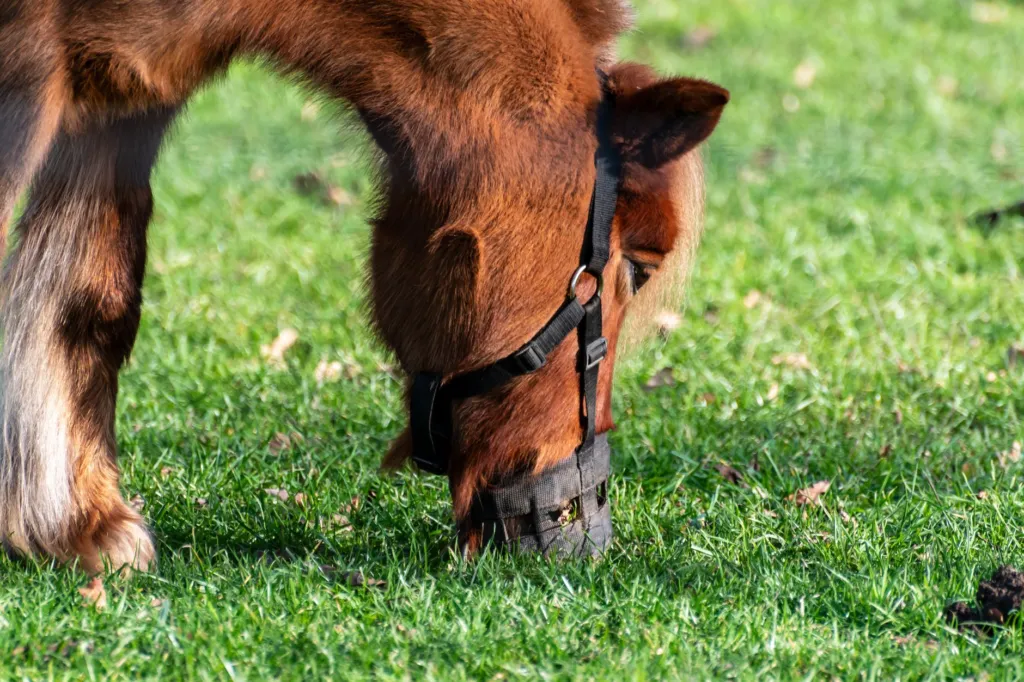
Endocrine Disorders
Common Endocrine Conditions
Endocrine disorders in horses can significantly impact their overall health and performance. Two prevalent conditions are Equine Metabolic Syndrome (EMS) and Cushing’s Disease (PPID). EMS is characterized by obesity, insulin resistance, and laminitis, often linked to dietary factors. On the other hand, Cushing’s Disease affects older horses and is caused by an overproduction of cortisol due to pituitary gland dysfunction.
Recognizing Symptoms
Identifying symptoms early can lead to better management of endocrine disorders. Horses with EMS may show signs of obesity, cresty necks, and frequent laminitic episodes. In contrast, horses with Cushing’s Disease may exhibit excessive thirst and urination, a long curly coat, and lethargy. Regular monitoring of body condition and behavioral changes can aid in early detection.
Management Strategies
Management of endocrine disorders often involves dietary changes, exercise, and medication. To manage EMS, consider the following:
- Limit access to lush pastures and high-sugar feeds.
- Incorporate low-calorie hay and feeds into their diet.
- Encourage regular exercise to promote weight loss.
For horses diagnosed with Cushing’s Disease, medications such as pergolide may be prescribed to regulate cortisol levels. Regular veterinary check-ups and blood tests can help monitor the condition and adjust treatment plans as necessary.
Behavioral Issues
Common Behavioral Problems
Behavioral issues in horses can stem from various factors, including anxiety, stress, and boredom. Common problems include cribbing, weaving, and excessive shying. Cribbing involves a horse biting on a solid object and sucking in air, while weaving is characterized by a repetitive side-to-side motion. These behaviors can lead to physical and mental health issues if not addressed.
Identifying Triggers
Understanding the triggers for behavioral problems is crucial for effective management. Common triggers include changes in routine, lack of social interaction, and insufficient exercise. Horses that are kept in isolation may develop anxiety-related behaviors. It’s essential to observe your horse’s environment and routine to identify stressors and address them accordingly.
Solutions and Interventions
Addressing behavioral issues often requires a multi-faceted approach. Here are some strategies to consider:
- Increase turnout time to allow for natural behaviors and social interaction.
- Provide enrichment activities such as toys or puzzles to stimulate mental engagement.
- Implement a consistent routine to give your horse a sense of security.
- Consult with a veterinary behaviorist or trainer for tailored solutions.
Behavioral issues can often be managed through patience and dedication. Offering a stable environment and addressing underlying causes can lead to significant improvements in your horse’s behavior and overall well-being.
Frequently Asked Questions
What are the common signs of illness in horses?
Common signs of illness in horses include changes in appetite, lethargy, abnormal behavior, coughing, nasal discharge, and changes in bowel movements. Regular monitoring can help catch issues early.
How often should a horse see a veterinarian?
Horses should ideally have a veterinary check-up at least once a year. However, more frequent visits may be necessary for horses with specific health issues or those in competitive training.
What vaccinations do horses need?
Vaccination needs can vary based on factors such as location, age, and lifestyle. Common vaccinations include those for West Nile virus, tetanus, and rabies. Consult your veterinarian for a tailored vaccination schedule.
How can I tell if my horse is in pain?
Signs of pain in horses can include changes in behavior, reluctance to move or work, abnormal posture, and facial expressions indicating discomfort. If you suspect your horse is in pain, consult a veterinarian promptly.
The Bottom Line
Understanding the common health problems in horses is essential for every horse owner. By being proactive and aware of potential issues, you can ensure a happier and healthier life for your equine companions. Regular veterinary care, monitoring for symptoms, and implementing preventive measures can significantly reduce the risk of serious health problems. Stay informed and attentive to your horse’s needs to provide the best care possible.
Was this article helpful?

Writer at Mad4Pets. Lifelong animal lover who turns research and vet guidance into practical tips for everyday pet parents.