Why Do Cats Knead? The Reasons Behind This Behavior
Why do cats knead? The reasons behind this behavior, from kittenhood comfort to scent marking, and how to respond when your cat kneads you.

Key takeaways
- Kneading is a natural instinct in cats.
- It can indicate comfort, affection, or even stress relief.
- Understanding kneading helps strengthen the bond with your cat.
- Encouraging positive kneading behavior can enhance your cat's happiness.
Kneading is a behavior commonly observed in cats that often evokes a sense of curiosity and warmth among pet owners. You may have noticed your cat pressing their paws alternately into soft surfaces, such as your lap, a blanket, or even a pillow. This adorable action has captivated many, leading to questions about its significance. Why do cats knead?
Understanding the reasons behind kneading can help you appreciate your cat’s behavior on a deeper level. Kneading is not merely a quirky habit; it is rooted in the cat’s instincts and emotional state. Throughout this article, we will explore the various reasons why cats knead, the potential benefits of this behavior, and what you can do to encourage healthy kneading.
Whether you are a new cat owner or have had feline companions for years, gaining insight into this behavior can enhance your relationship with your cat. So let’s delve into the fascinating world of kneading!
What is Kneading?
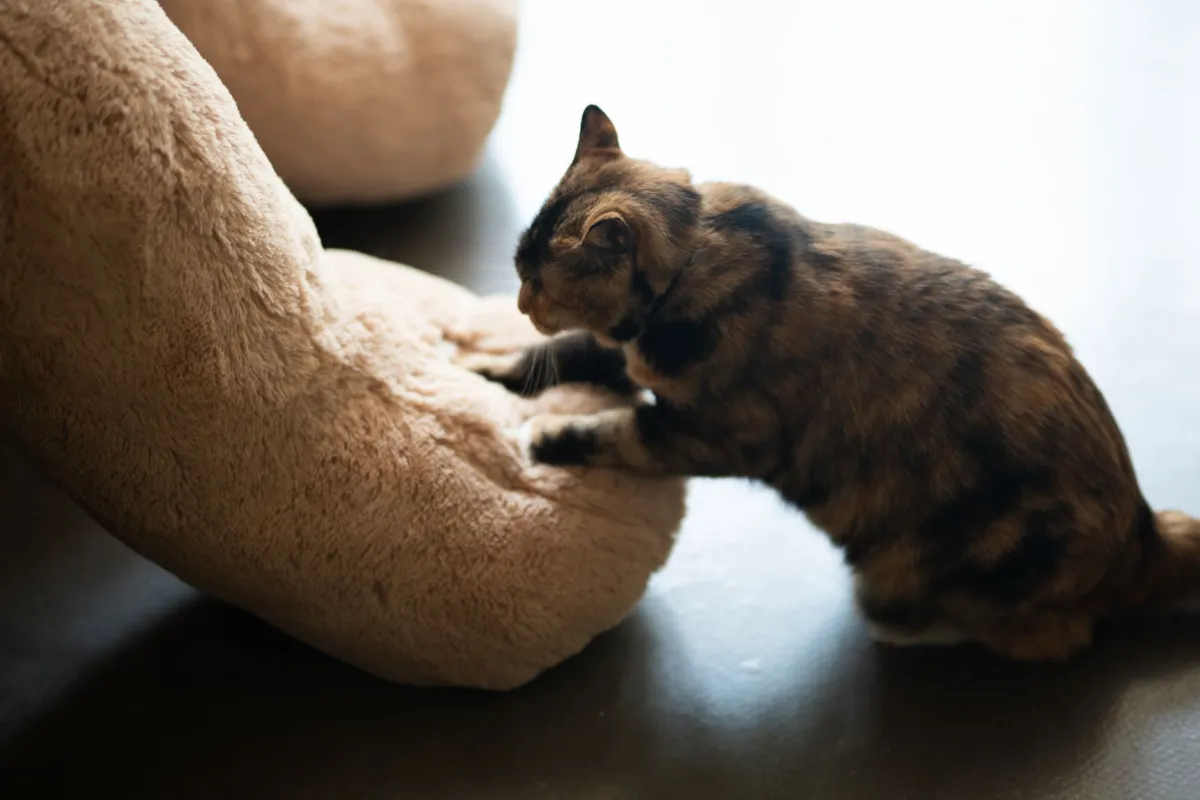
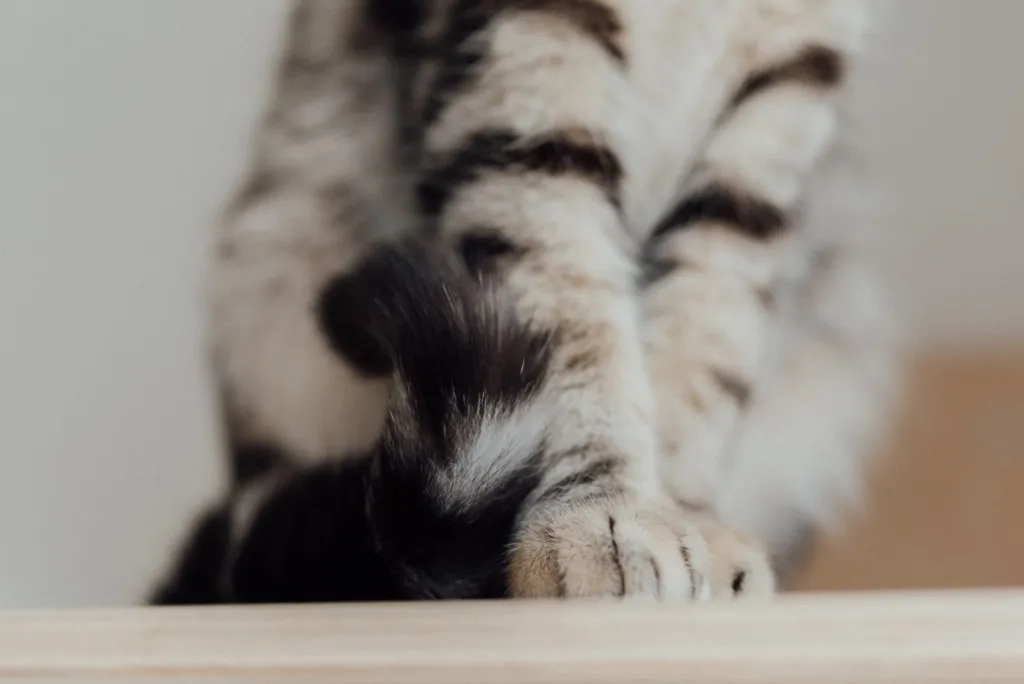
Kneading, sometimes referred to as “making biscuits,” involves a rhythmic pushing motion that cats perform with their paws. This behavior can be observed in various contexts and is often accompanied by purring or other signs of contentment. Kneading typically involves the cat extending and retracting their claws while alternating between their front paws.
While kneading is often associated with comfort and relaxation, it can also occur in different emotional states. The behavior can be seen in kittens nursing from their mother, but adult cats continue this behavior throughout their lives. Kneading may take place on soft surfaces, but cats can also knead on harder surfaces such as wooden floors or even your lap.
To fully understand kneading, it’s essential to consider its origins and how it manifests in different situations. By observing your cat’s body language and the context in which they knead, you can gain deeper insights into their emotional state.
Reasons Cats Knead
1. Instinctive Behavior from Kittenhood
Kneading is an instinctive behavior that starts in kittenhood. When kittens nurse from their mother, they knead her belly to stimulate milk flow. This action provides comfort and nourishment, creating a strong emotional connection between the mother and her kittens. As cats grow, this behavior often carries over into adulthood.
Adult cats may knead as a way to replicate the feelings of safety and warmth they experienced as kittens. This instinctive action may also be a comforting mechanism for cats when they seek solace in their environment. When your adult cat kneads, they may be reliving those early moments of security and affection.
Recognizing this behavior as an extension of their early experiences can help you appreciate the emotional significance behind it. Understanding this aspect of kneading emphasizes the importance of nurturing a safe and loving environment for your cat.
2. Expression of Affection
Kneading is often an expression of affection and contentment in cats. When your cat kneads you, it can signify trust and a strong bond. Cats may knead their owners as a way to show love and seek attention. This behavior often occurs when cats are in a relaxed state, such as when they are being petted or cuddled.
Additionally, kneading may serve as a way for cats to mark their territory. Cats have scent glands in their paws, and kneading can release pheromones that signal to other animals that they belong in that space. By kneading on you or a favorite blanket, your cat is not only expressing affection but also marking you as their own.
Encouraging this affectionate kneading can strengthen your bond. Providing a comfortable and secure environment for your cat will promote feelings of happiness, leading to more instances of affectionate kneading.
3. Stress Relief and Comfort
Kneading can also act as a self-soothing mechanism for cats under stress. Just as humans may engage in repetitive behaviors to relieve anxiety, cats may knead to calm themselves. Situations that can prompt this behavior include changes in the household, loud noises, or unfamiliar environments.
If you notice your cat kneading more frequently during stressful situations, it may be a sign that they are seeking comfort. Providing a quiet and safe space for your cat during these times can help ease their anxiety and encourage them to knead as a form of relaxation.
Creating a peaceful environment can also involve minimizing loud sounds or providing cozy spots where your cat feels secure. This will help them express their kneading behavior in a positive way.
The Benefits of Kneading
1. Promotes Relaxation
Kneading is a calming behavior that can promote relaxation not only for the cat but also for the owner. When your cat kneads, it often accompanies purring, which is known to have soothing effects. This combination can create a serene atmosphere for both you and your feline friend.
The rhythmic motion of kneading can release endorphins in cats, leading to feelings of happiness and tranquility. This natural stress relief can enhance your cat’s overall well-being, ensuring they feel more comfortable in their environment.
Encouraging this behavior during quiet moments can help foster a more relaxed relationship between you and your cat. It can also serve as a bonding experience, allowing both of you to unwind together.
2. Strengthens Owner-Cat Bond
When your cat kneads you, it signifies a strong bond of trust and affection. Engaging in this behavior allows cats to express their love and dependence on their owners. This mutual interaction can deepen the emotional connection you share with your feline friend.
By creating an environment that encourages kneading, you can strengthen this bond. Providing positive reinforcement, such as gentle petting or soothing words, during kneading sessions can enhance your cat’s sense of safety and connection with you.
Over time, this strengthened bond can lead to a more harmonious relationship, allowing both you and your cat to thrive in each other’s company.
3. Encourages Healthy Paws and Claws
Kneading can also be beneficial for your cat’s physical health. The act of kneading helps keep their claws healthy by naturally wearing them down, reducing the need for regular trimming. The motion can also stretch their leg muscles and promote overall physical well-being.
To further enhance this benefit, consider providing designated kneading surfaces for your cat. Soft blankets or cat-specific kneading mats can encourage this behavior while keeping your furniture safe from potential damage.
Additionally, monitoring your cat’s claws will ensure they remain healthy and well-maintained. This combination of kneading and proper claw care will contribute to your cat’s overall happiness and comfort.
How to Encourage Positive Kneading Behavior
1. Create a Comfortable Environment
Providing a comfortable and safe environment is key to encouraging positive kneading behavior. Cats are more likely to knead in spaces that feel secure and cozy. Consider the following tips to create an inviting atmosphere:
- Provide soft bedding or blankets in quiet areas of your home.
- Ensure your cat has access to safe and familiar spaces.
- Minimize loud noises or disturbances that may cause stress.
By creating a peaceful setting, you can encourage your cat to engage in kneading more frequently.
2. Respond with Affection
When your cat kneads, responding with affection can reinforce this behavior. Petting your cat gently or talking to them in soothing tones can enhance their sense of security. This positive reinforcement encourages them to knead more often, strengthening your bond.
Be attentive to your cat’s preferences. Some cats enjoy more vigorous petting, while others prefer gentle strokes. Observing their reactions will help you determine the best approach to make them feel comfortable during kneading.
Additionally, consider offering treats or praise when your cat kneads. This can create a positive association with the behavior, encouraging them to continue expressing their affection.
3. Provide Designated Kneading Surfaces
Designating specific surfaces for kneading can help protect your furniture while still allowing your cat to engage in this natural behavior. Consider the following options:
- Soft blankets or cushions specifically for kneading.
- Cat beds designed with kneading in mind.
- Cat trees with soft fabric surfaces.
By offering these options, your cat will have a safe space to knead, keeping their claws healthy and your furniture intact. This approach also encourages positive kneading habits, allowing your cat to express themselves freely.
The Role of Kneading in Cat Socialization
Understanding Social Bonds
Kneading can be an important part of how cats socialize with one another and with their human companions. When a cat kneads, it is often expressing comfort and trust. This behavior can strengthen the bond between the cat and its owner, as the cat shows its contentment through this rhythmic motion.
Interestingly, cats that knead are often more affectionate and social. They may use kneading as a way to initiate play or to signal their desire for attention from their human family members. This social aspect of kneading can enhance the emotional connection that cats develop with their owners.
Communication Through Kneading
Kneading also serves as a form of non-verbal communication among cats. When a cat kneads, it may be signaling comfort or a desire for interaction. For example, a cat that kneads while sitting on your lap might be inviting you to pet it or engage in gentle play. Understanding this communication can help owners respond more effectively to their cat’s needs.
- Watch for body language: A relaxed body posture often indicates that a cat feels safe.
- Pay attention to purring: A purring cat that is kneading is usually content and happy.
- Look for eye contact: Cats that knead while making eye contact may want to engage with you.
Kneading and Multi-Cat Households
In multi-cat households, kneading can take on additional significance. Cats may knead to establish their place within the social hierarchy or to express dominance or submission. Observing how cats interact during kneading sessions can provide insights into their relationships and dynamics.
For instance, a dominant cat might knead in the presence of a more submissive cat as a way to assert its status. Conversely, a submissive cat might knead in an effort to placate a more dominant cat. Understanding these dynamics can help owners manage their cat’s interactions and ensure a harmonious living environment.
The Psychological Aspects of Kneading
Kneading as a Stress Relief Mechanism
Kneading can serve as a significant stress relief mechanism for cats. When cats knead, they often enter a calm state, which can help alleviate anxiety. This behavior can be particularly beneficial during stressful situations, such as loud noises or changes in the household. Providing a comforting space for cats to knead can help them cope with these stressors more effectively.
Creating a safe space can involve providing soft blankets or designated kneading areas where cats feel secure. By doing so, owners can promote healthy emotional responses in their pets and reduce the likelihood of stress-related behaviors.
The Connection Between Kneading and Kittenhood
The act of kneading is reminiscent of a kitten’s early life. Kittens knead their mother’s belly to stimulate milk flow. This instinctual behavior can continue into adulthood as a comforting reminder of their early nurturing experiences. Adult cats that frequently knead may be seeking the same comfort that they felt as kittens.
Understanding this connection can help owners appreciate the emotional underpinnings of kneading and recognize its importance in their cat’s life. Additionally, it highlights the need for owners to provide environments that nurture these comforting behaviors.
Encouraging Healthy Kneading Behavior
To encourage healthy kneading behavior, it’s essential for owners to recognize the signs that their cat is ready to knead. Providing soft surfaces, like blankets or pillows, can make the experience more enjoyable for cats. Here are some tips to create an environment conducive to kneading:
- Offer a variety of soft materials for kneading.
- Ensure that your cat feels secure and safe in its environment.
- Be patient and allow your cat to knead without interruption.
By fostering these conditions, owners can help their cats express this natural behavior in a healthy and positive way.
Frequently Asked Questions
Why do cats knead their owners?
Cats knead their owners as a sign of affection, trust, and comfort. It is a way for them to express their love and mark you as their territory.
Is kneading a sign of stress in cats?
While kneading can indicate comfort, it can also be a self-soothing behavior for stressed cats. If your cat kneads in stressful situations, it may need extra comfort and reassurance.
Can I stop my cat from kneading?
While you can redirect the behavior to appropriate surfaces, it is not advisable to stop it entirely. Kneading is a natural behavior that provides comfort and should be encouraged in safe ways.
Should I be worried if my cat kneads excessively?
Excessive kneading could indicate underlying stress or anxiety. If you observe changes in your cat’s behavior or if kneading becomes compulsive, consult with a veterinarian for advice.
The Bottom Line
Kneading is a natural, instinctive behavior in cats that serves numerous purposes, including expressing affection, seeking comfort, and promoting relaxation. By understanding the reasons behind kneading, you can enhance your relationship with your feline friend and create an environment that encourages this positive behavior. Whether it’s a sign of love or a way to relieve stress, kneading is an essential part of your cat’s emotional well-being.
Was this article helpful?

Writer at Mad4Pets. Lifelong animal lover who turns research and vet guidance into practical tips for everyday pet parents.