Top 8 Cat Breeds Ideal for Family Homes
Discover the best cat breeds for families, perfect for kids, providing companionship, and ensuring harmony in your home.

Key takeaways
- Family-friendly cats are playful and gentle.
- Consider breed temperament for children.
- Regular vet check-ups ensure health.
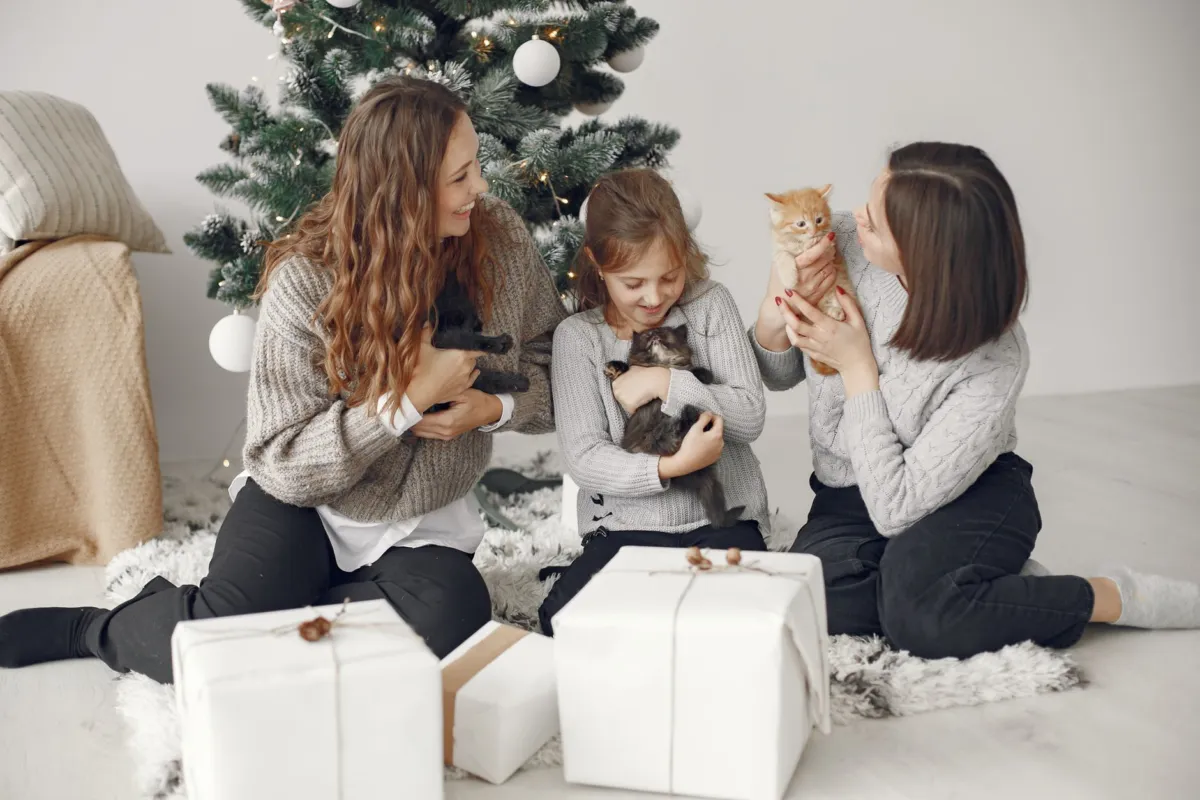
When considering adding a furry friend to your family, it’s essential to choose a cat breed that fits well with your household dynamics. Families with children require a special kind of cat, one that is not only friendly and playful but also tolerant and patient. The right breed will enhance your home life, providing companionship and joy.
This guide will explore the best cat breeds for families, detailing their temperaments, care needs, and overall suitability for life with kids. Each breed’s characteristics will help you make an informed decision, ensuring a harmonious living environment.
Choosing the right breed is crucial, as some cats are more adaptable to the hustle and bustle of family life than others. Let’s dive into the top cat breeds that are known for their family-friendly traits.
1. Ragdoll
The Ragdoll is often considered the quintessential family cat. Known for their affectionate nature, they are large, gentle cats that thrive on human interaction. Ragdolls are often described as ‘puppy-like’ due to their tendency to follow their owners around the house.
Ragdolls are known for their patience, making them an excellent choice for families with young children. Their calm demeanor allows them to handle the sometimes chaotic energy of a household. Moreover, they are less likely to scratch or bite, which is a significant factor when children are involved.
In addition to their sweet temperament, Ragdolls have stunning blue eyes and a soft, semi-long coat that requires regular grooming. Their playful nature means they enjoy interactive play, so be sure to provide toys that stimulate their mind and body.
2. Maine Coon
The Maine Coon is one of the largest domestic cat breeds and is known for its friendly and social personality. This breed is incredibly versatile, adapting well to various living situations and family dynamics.
Maine Coons are known for their intelligence and curiosity. They enjoy engaging with family members, often participating in games and activities. Their playful nature makes them suitable for children, as they are typically gentle and tolerant of playful antics.
This breed is also known for its impressive physical features, such as tufted ears and a bushy tail. Grooming is essential due to their long fur, but their affectionate and loyal nature often makes this task a joy rather than a chore.

3. Birman
Birmans are known for their striking blue eyes and beautiful coat. These cats are not only visually stunning but also have a gentle and affectionate temperament. They thrive in family environments, forming strong bonds with all family members.
<pTheir calm demeanor makes them excellent companions for children. Birmans are playful yet relaxed, enjoying interactive play sessions without becoming overly excited. They also tend to be very tolerant, making them ideal for families with younger kids.
Regular grooming is essential to keep their coat in good condition. Birmans are social cats that enjoy being part of the family, so make sure to include them in your daily activities.
4. British Shorthair
The British Shorthair is a sturdy and easygoing breed, known for its round face and plush coat. They are often very laid-back and adaptable, making them suitable for families of all sizes.
Known for their independent nature, British Shorthairs can entertain themselves while still enjoying quality time with their human companions. Their gentle demeanor makes them an excellent choice for families with children who may not yet understand how to handle pets carefully.
They require minimal grooming due to their short hair, making them relatively low-maintenance. Their calm disposition allows them to thrive in a busy household.
5. Abyssinian
The Abyssinian is a playful and energetic breed that loves to be involved in family activities. Known for their ticked coat and playful personality, they thrive on interaction and engagement.
Abyssinians are known for their intelligence and curiosity, making them a fun addition to any family. They enjoy climbing, exploring, and playing, which can be exciting for children. Their active nature means they require plenty of playtime and mental stimulation.
They are generally affectionate and enjoy being around people, making them a great choice for families looking for a lively companion. Regular play sessions will help keep them happy and healthy.
6. Siamese
Siamese cats are famous for their striking appearance and vocal personality. They are highly social and enjoy forming strong bonds with their human companions, making them excellent family pets.
These cats are known for their playful nature and intelligence. They often require more attention than other breeds, as they thrive on interaction. Families with children will find that Siamese cats enjoy participating in games and activities, keeping the household lively.
Regular grooming is necessary to maintain their short coat, but their affectionate nature makes the grooming process enjoyable. Siamese cats are also known for their ability to adapt to different environments, making them a great fit for various family dynamics.
7. Scottish Fold
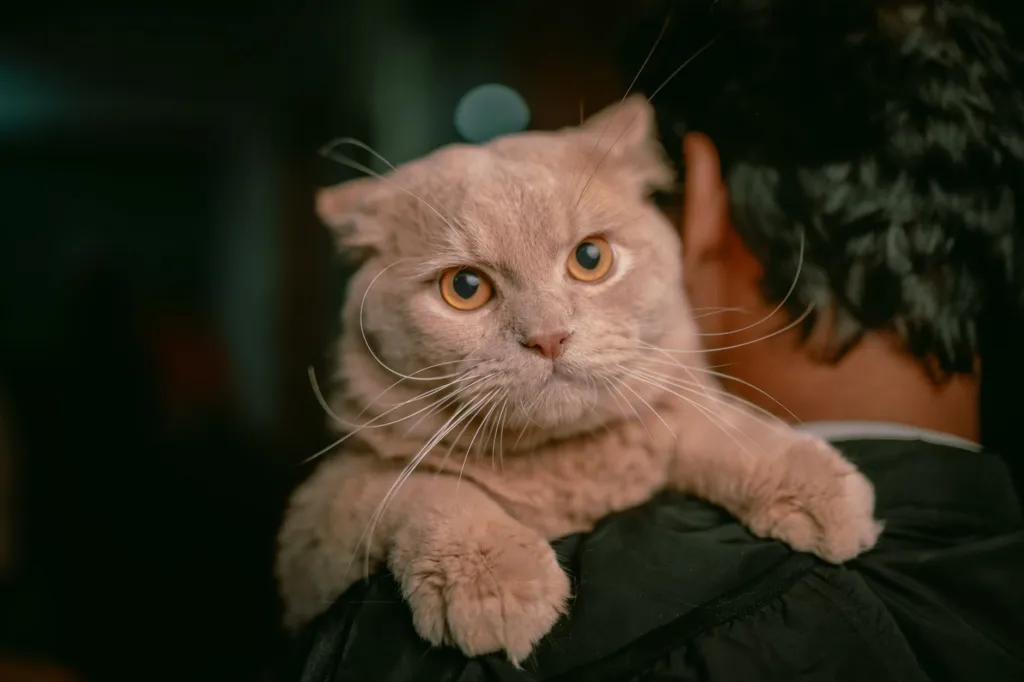
The Scottish Fold is easily recognizable by its unique folded ears. This breed is known for its sweet and calm personality, making it suitable for families.
Scottish Folds are generally friendly and affectionate. They enjoy being involved in family activities but are also content to relax and observe. Their gentle nature makes them great companions for children, as they are typically patient and tolerant.
They require regular grooming to maintain their coat, and their adaptive nature means they can thrive in various living situations. Scottish Folds are known for their playful antics, providing entertainment for the entire family.
8. Burmese
Burmese cats are known for their affectionate and outgoing personalities. They are social cats that thrive on interaction with their families, making them an excellent choice for households with children.
This breed is playful and enjoys being involved in family activities. Their friendly nature ensures they adapt well to different environments and can handle the excitement of a busy household.
With a short, easy-to-maintain coat, they require minimal grooming, making them a low-maintenance option for families. Burmese cats often enjoy cuddling and being close to their humans, making them great companions.
Considerations for Choosing the Right Cat for Your Family
Understanding Family Lifestyle
When selecting a cat breed, it is crucial to consider your family’s lifestyle, including activity levels and daily routines. For instance, families that enjoy being active might prefer a cat that is playful and engaging, while those with a more laid-back lifestyle may opt for a more relaxed breed. Understanding the energy levels of different cat breeds can help ensure a harmonious home environment.
Additionally, the ages of family members can also influence the choice of a cat breed. Younger children may require a cat that is patient and tolerant, while older children can handle more spirited breeds. It’s important to match the cat’s temperament with the dynamics of your household.
Allergies and Sensitivities
Another significant consideration is allergy management. Some families have members who are allergic to cats, and in such cases, it’s wise to look for hypoallergenic cat breeds. These breeds tend to produce fewer allergens, which can help minimize allergic reactions. Breeds such as the Siberian and Balinese are often recommended for allergy sufferers.
If allergies are a concern, it’s advisable to spend time with different cat breeds before making a decision. This can help identify which cats cause fewer reactions and ensure a comfortable living situation for everyone.
Adoption vs. Buying
Deciding whether to adopt a cat from a shelter or purchase one from a breeder is an important aspect of bringing a new feline into your home. Adoption offers the chance to give a home to a cat in need and can often be a more affordable option. Shelter cats can be just as loving and family-friendly as those from breeders.
- Adoption often includes vaccinations and spaying/neutering.
- Shelter staff can provide insight into the cat’s behavior and temperament.
- Adopting helps reduce the number of homeless animals.
On the other hand, purchasing from a breeder allows for specific breed traits and lineage documentation. It’s essential to research reputable breeders who prioritize health and temperament in their breeding practices.
Integrating a New Cat into Your Family
Preparing Your Home
Before bringing a new cat home, it’s essential to prepare your living space for their arrival. Cats are creatures of habit and can be sensitive to changes in their environment. Create a designated area where the cat can feel safe and comfortable, equipped with essentials like a litter box, food and water bowls, scratching posts, and cozy resting spots.
Additionally, consider cat-proofing your home by removing hazardous items that could pose a risk. This includes securing loose wires, removing toxic plants, and ensuring that small objects that might be swallowed are kept out of reach.
Introducing the Cat to Your Family
The introduction process is critical for a seamless transition. Start by allowing the cat to explore their designated space without overwhelming them with attention. Gradually introduce family members one at a time, allowing the cat to approach at their own pace. This method helps reduce stress and gives the cat the opportunity to acclimate to its new surroundings.
Encourage family members to engage with the cat through gentle play and treats, fostering a bond of trust and affection. Patience is key during this period, as some cats may take longer to adjust than others.
Establishing Routines
Establishing a routine can help your new cat feel more secure in their new environment. Cats thrive on consistency, so try to maintain regular feeding times, play sessions, and litter box cleaning schedules. This predictability will help your cat understand what to expect and can contribute to their overall well-being.
- Feed your cat at the same times daily to create a routine.
- Set aside daily playtime for bonding and exercise.
- Keep a consistent litter box cleaning schedule to maintain hygiene.
Incorporating these routines will not only make your cat feel more at home but also encourage positive behaviors and reduce stress.
Educating Children About Cat Care
Teaching Respect for Animals
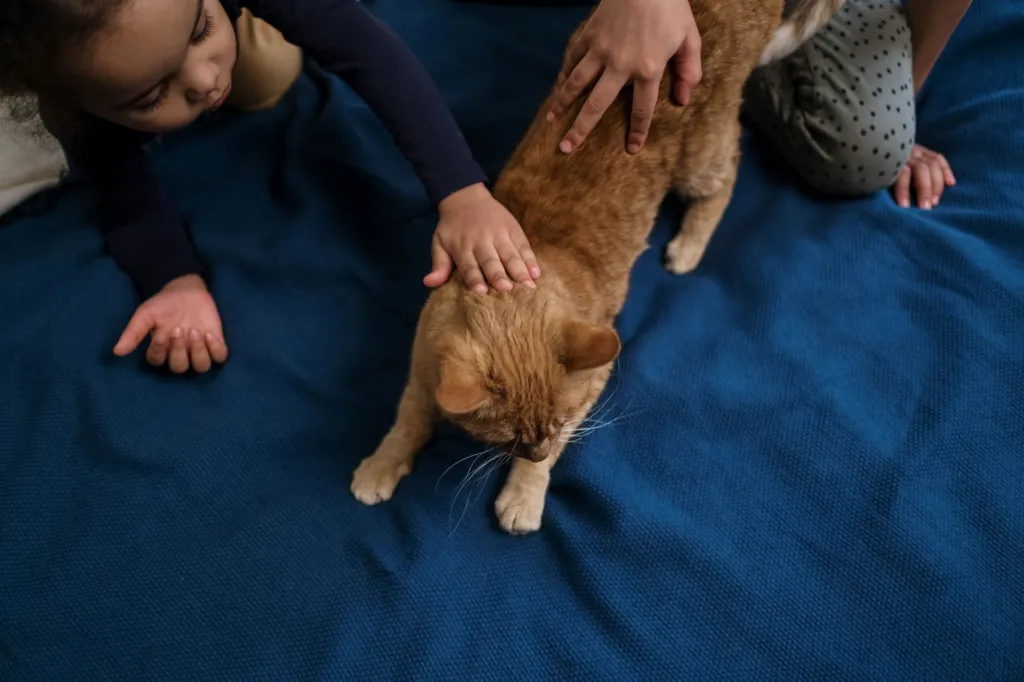
It is important to instill a sense of respect and care for animals in children. Educating them on how to interact with cats helps prevent accidental injuries and fosters a loving relationship. Teach children to approach cats gently, avoid sudden movements, and recognize when a cat wants to be left alone. This understanding is essential for a harmonious relationship.
Additionally, children should learn about a cat’s body language. Understanding signals like purring, tail position, and ear orientation can help them gauge a cat’s mood and comfort level.
Involving Children in Care Tasks
Involving children in the daily care of the cat can be a rewarding experience that teaches responsibility. Assign age-appropriate tasks that allow them to contribute to the cat’s well-being. Younger children can help with filling food and water bowls, while older children can be responsible for feeding and cleaning the litter box.
- Feeding the cat can be a fun daily responsibility for kids.
- Cleaning the litter box teaches hygiene and care.
- Playing with the cat encourages bonding and activity.
These responsibilities can help children develop a sense of pride and ownership in their relationship with the cat, reinforcing the bond between them.
Understanding the Importance of Veterinary Care
Education about veterinary care is also crucial. Teach children the significance of regular check-ups, vaccinations, and preventive care in keeping the cat healthy. Discussing topics like spaying and neutering can help children appreciate the role of responsible pet ownership in preventing overpopulation and ensuring the health of their feline friend.
Encouraging children to accompany you on vet visits can further enhance their understanding of pet care and the importance of medical attention. This involvement can lead to a lifetime of compassion and responsible pet ownership.
Frequently Asked Questions
What cat breed is best for families with young children?
Ragdolls and Maine Coons are often recommended for families with young children due to their gentle and tolerant nature.
Are some cat breeds better for allergies?
While no cat is completely hypoallergenic, breeds like the Siberian and Balinese are known to produce fewer allergens.
How much exercise do family-friendly cat breeds need?
Most family-friendly cat breeds require regular playtime and mental stimulation, generally around 20-30 minutes of active play each day.
Can cats get along with other pets?
Many of the breeds mentioned, such as Ragdolls and Maine Coons, are typically social and can get along well with other pets, including dogs.
The Bottom Line
Choosing the right cat breed for your family can significantly enhance your household’s happiness. The breeds listed offer a blend of affectionate, playful, and tolerant characteristics, making them ideal companions for children. Remember to consider each breed’s needs and temperament to ensure a harmonious match. Investing time in understanding their requirements will lead to a fulfilling relationship for both your family and your new feline friend.
Was this article helpful?

Writer at Mad4Pets. Lifelong animal lover who turns research and vet guidance into practical tips for everyday pet parents.